Strand&Suds

Frizz & Curls · Our picks

The Best Products for Frizzy Hair

Our top pick is the It's a 10 Miracle Leave-In Product, for almost any frizz-prone hair: it is the step that works on frizz all day and the one most people do not own. The budget pick is Cliganic Organic Argan Oil, which costs single digits and seals the ends. Below those, one pick per step, because frizz is a routine problem rather than a hero-product problem.

By Janet H.Updated How we pick
#ad

We earn a commission if you buy through our links, at no extra cost to you. It never decides the ranking — the method is published · Affiliate disclosure

The short answer

Quick picks

#ProductBest forKey ingredientPrice
1
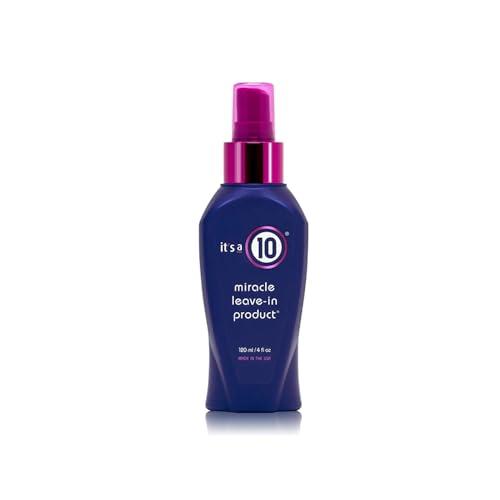
It's a 10 Miracle Leave-In Product

For almost any frizz-prone hair, fine to medium: a light spray that holds moisture in through the day, which is what frizz control actually is. Not enough substance on its own for coarse type 4 hair.

Best overallConditioning agents and silicones that give slip for detangling and reduce combing breakage$12.42Amazon
2
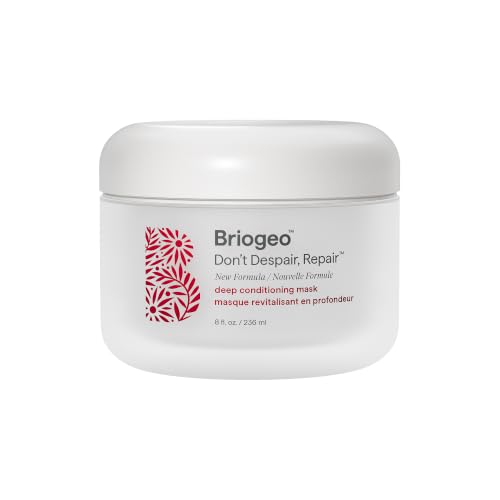
Briogeo Don't Despair, Repair! Deep Conditioning Mask

For frizz that is really dryness - the majority case. Balanced between moisture and protein, so it is the safest weekly tub to buy if you are not sure which your hair is short of. Too heavy for fine hair above the mid-lengths.

The weekly step that does the mostRosehip and argan oils — emollients that soften the strand and reduce the friction that causes mechanical breakage$27.30Amazon
3
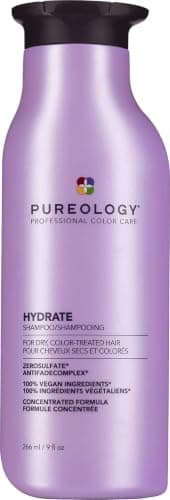
Pureology Hydrate Shampoo

For dry or colored frizz-prone hair: a sulfate-free wash that does not strip, which decides how much frizz you have by the time hair dries. The most expensive pick here, and the one with the cheapest substitutes.

Best wash for frizzSulfate-free cleansing system, which strips less color than a standard surfactant$39.00Amazon
4
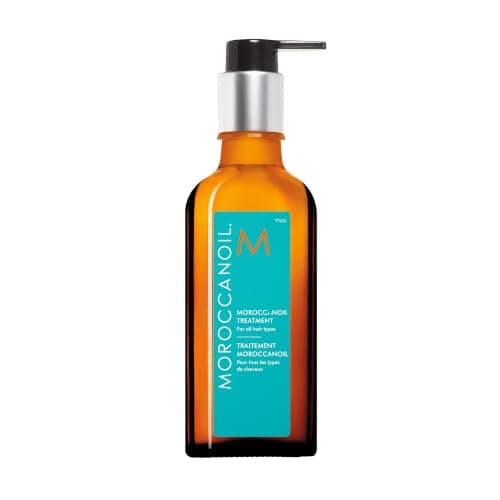
Moroccanoil Treatment Original

For medium to coarse hair that needs visible smoothing on damp or dry lengths. Silicone-led, which is why it smooths so well and why it needs a clarifying wash once a month.

Best finishing oilArgan oil, an emollient that coats the cuticle and reduces the friction that causes frizz and breakage$50.00Amazon
5
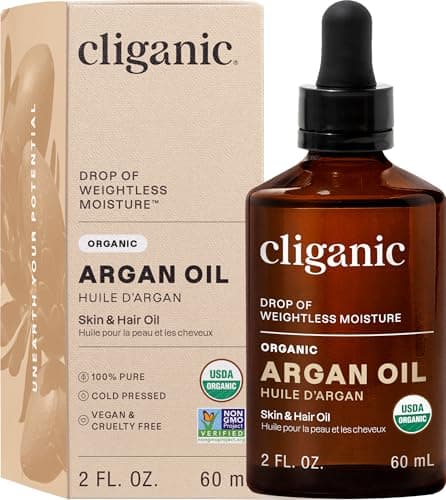
Cliganic Organic Argan Oil

For sealing dry ends on single digits. One ingredient, no fragrance, no silicones - so it adds shine and slows water loss but does not smooth the way a styling oil does.

The budget pickArgania spinosa (argan) kernel oil, certified organic — the only ingredient on the label$9.48Amazon
6
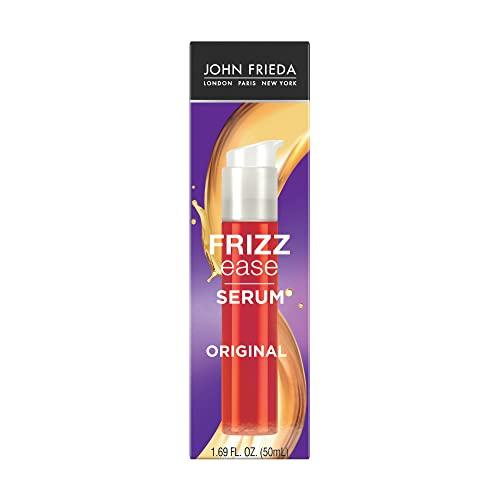
John Frieda Frizz Ease Original Hair Serum

For straight or nearly straight hair where the frizz is a halo of flyaways rather than undefined texture. A dedicated anti-frizz serum rather than a conditioning product, and far too heavy for fine hair.

Best for straight hair frizzArgan, coconut and moringa oils, which John Frieda states smooth and hydrate the strandCheck price · Amazon

#ad · Prices come live from the retailer, last checked November 28, 2026; where we have no verified live price we show none. These picks are chosen from formulation research, not from testing them ourselves. Tap a row for the full write-up.

How we picked these six

1. One pick per step, not six versions of one product. A wash, a weekly treatment, a leave-in, a finishing oil, a cheap sealing oil and a dedicated serum for straight hair. Nobody needs all six - most people need two or three, and the routine section below says which.

2. Moisture first, smoothing second. Frizz is almost always a water problem before it is a styling problem, so the list is weighted toward products that put moisture in or stop it leaving. The two oils are the finishing layer, not the fix.

3. Honest about hair type, in both directions. Every pick names the hair it suits and the hair it does not. Three of these six are too heavy for fine hair, and a list that does not say so is useless to half its readers.

4. Formulation claims cited to the maker. What is in a product and what the brand says it does comes from the brand's own product page, labeled as the brand's claim. There is no lab behind this site and a checkable fact is the only thing separating a pick from an assertion.

5. A real budget pick. The cheapest item costs single digits and is on the list on merit, with its limits stated rather than buried.

6. No scores, no awards, nothing we claim to have tested. Each pick carries an editorial role and a specific disqualifier instead of a number out of ten.

We have not used these products ourselves. They are chosen from what is in the formula, what those ingredients are documented to do, and whether that matches the problem this page is about — and every product below links to the manufacturer's own page so you can check the formulation claims yourself. The full method is here.

What frizz actually is, in one paragraph

Frizz is what you see when the cuticle - the overlapping outer layer of each strand - sits raised rather than flat. Hair that is short of water swells and roughens when humid air arrives, because the strand is pulling moisture from the air instead of holding its own. That is the common case, and it is why a moisture routine beats an anti-frizz styling product for most people. The two other causes are damage, where bleach and heat have physically broken the cuticle so no amount of moisture closes it - published work on bleached hair documents that kind of structural change to the outer layer (bleaching and hair microstructure) - and breakage, where short snapped hairs standing out of the length look like frizz and are not. Why hair goes frizzy walks through how to tell the three apart, and it is worth five minutes before you spend anything.

Everything below assumes the common case. If your frizz sits only in the ends of colored or heat-styled hair, you are in the damage case and the bond repair shortlist is the more useful page.

The six, by step

StepPickHow oftenHair it suits
Leave-inIt's a 10 Miracle Leave-InEvery wash dayFine to medium, straight to wavy
Weekly treatmentBriogeo Don't Despair, Repair!Once a weekMost dry hair; mid-lengths down on fine hair
WashPureology Hydrate ShampooEvery washDry, medium to coarse, colored
Finishing oilMoroccanoil Treatment OriginalDamp or dry, as neededMedium to coarse
Sealing oil, budgetCliganic Organic Argan OilEnds only, as neededAny thickness, small amounts
Anti-frizz serumJohn Frieda Frizz Ease Original SerumDamp hair, before heatStraight to slightly wavy, medium to coarse

Read the first column rather than the second. The single most common mistake in this aisle is owning three products from the bottom half of that table and nothing from the top half: four finishing oils and no weekly treatment is a smoothing routine with nothing to smooth.

Two routines to copy

The three-product routine, for frizz that is dryness. The wash, the weekly mask, and the leave-in on damp hair. That is the whole thing, and for most people it does more than any combination of styling products. Add the budget oil on the ends if they still read dry by day two. Give it three or four weeks before you judge it - the first wash after switching often reads worse than it is, because you are also rinsing out whatever the last routine left behind.

The two-product routine, for frizz you need handled this morning. The leave-in on damp hair, then a few drops of finishing oil once hair is nearly dry. This is the cosmetic answer rather than the structural one: it works today, it washes out, and it does nothing about why the frizz keeps coming back. Useful, and worth being honest about.

Order matters more than people expect, and it is free to get right: wash, condition, leave-in on soaking hair, then oil last once hair is nearly dry. Oil applied before a leave-in blocks the leave-in from reaching the strand. The product order page has the full sequence, and hair oil against leave-in conditioner sorts out the two products people most often substitute for each other.

Which picks suit your hair

Fine, frizz-prone hair. The leave-in and the budget oil, a few drops, ends only. Skip the Moroccanoil, the serum and the mask above the mid-lengths - all three are heavy enough to cost you volume, which is the trade fine-haired readers keep falling into. How much oil fine hair can carry is specific about the amounts, and shampoos for frizzy hair has a lighter wash than the one on this page.

Thick, coarse, frizz-prone hair. All of it except the budget oil, which will disappear on contact. This is the hair type the finishing oil was built for. The thick and coarse shortlist covers the rest of the routine.

Straight hair with a halo of flyaways. The serum, which is the one pick here designed for exactly that, plus the leave-in. You do not need curl products and you do not need the mask unless your hair is also dry - anti-frizz products for straight hair is the page scoped to this.

Waves and curls that are frizzy rather than undefined. The wash, the mask and the leave-in, then a styler on top. Anti-frizz products for curly hair and conditioners for curly hair both go deeper than this page does on texture.

Frizz that gets much worse in damp weather. Same routine, plus hold. A film-forming styler is what keeps humidity out once the moisture is in, and products for frizzy hair in humidity ranks that specific job.

Frizz in the ends of bleached hair only. None of this is your first purchase. That is damage rather than dryness, and masks for bleached hair is the page that addresses it.

The changes that cost nothing

Four habits that do more for frizz than a seventh product, and the American Academy of Dermatology's everyday-care guidance supports all of them (AAD, everyday hair care):

  • Stop rubbing wet hair with a terry towel. Friction on wet hair raises the cuticle, which is the literal definition of frizz. A cotton t-shirt works better and costs nothing.
  • Apply everything leave-on while hair is still soaking. A leave-in seals water in. Applied to nearly dry hair it has nothing to seal, which is why people conclude leave-ins do not work.
  • Shampoo the scalp, condition the ends. The dirt is at the roots and the frizz is in the lengths. Scrubbing shampoo through the ends is how dryness gets worse every wash.
  • Cooler final rinse, and one setting lower on the heat tool. Both reduce how much the cuticle is lifted, and whether you need a heat protectant covers when the spray actually matters.

What not to buy

A fourth finishing oil. The most over-bought product in this aisle. Oil seals and adds shine; it does not hydrate, so an oil-only routine is a smoother version of the same dry hair. Mask against oil sets out which one your hair is actually asking for.

A keratin or protein product, if your hair is dry rather than damaged. Protein on hair short of water makes it stiffer and frizzier, and the symptoms read like needing more protein - which is why the test for it matters.

An anti-frizz shampoo with no mention of moisture or repair. There is no third mechanism. A shampoo either cleans gently and leaves conditioning agents behind, or it does not, and the sulfate-free question is the one worth asking about a wash.

Anything promising permanently frizz-free hair. Products manage the hair you have. The only things that permanently change how the cuticle behaves are chemical services, which come with their own trade-offs and are not what this site sells.
In detail

The picks, in full

1Best overall

It's a 10 Miracle Leave-In Product

For almost any frizz-prone hair, fine to medium: a light spray that holds moisture in through the day, which is what frizz control actually is. Not enough substance on its own for coarse type 4 hair.

Who it suits: Anyone who wants one leave-in spray to detangle, smooth and act as a heat protectant

What is doing the work

  • Conditioning agents and silicones that give slip for detangling and reduce combing breakage
  • Positioned by the manufacturer as a thermal protectant as well as a leave-in

What works

  • Spray format means it goes on evenly without over-application
  • Genuinely useful for detangling wet hair, which is when it breaks
  • Works across straight, wavy and curly hair

What to note

  • Master-of-none — a dedicated heat protectant does that job better
  • Contains silicones, so periodic clarifying is sensible

Skip it if you already own a dedicated leave-in and a heat protectant — this replaces them rather than adding anything.

It's a 10 Miracle Leave-In Product
$12.42View on Amazon

#ad · Price as of November 28, 2026 · Affiliate disclosure for the link to Miracle Leave-In Product

2The weekly step that does the most

Briogeo Don't Despair, Repair! Deep Conditioning Mask

For frizz that is really dryness - the majority case. Balanced between moisture and protein, so it is the safest weekly tub to buy if you are not sure which your hair is short of. Too heavy for fine hair above the mid-lengths.

Who it suits: Dry, brittle or over-processed hair that needs moisture more than structural repair

What is doing the work

  • Rosehip and argan oils — emollients that soften the strand and reduce the friction that causes mechanical breakage
  • B-vitamins, algae extract and biotin in the brand's NOVA Complex, per Briogeo
  • Formulated without sulfates, silicones, phthalates, parabens, DEA or artificial dyes, per the manufacturer

What works

  • Noticeably softer hair after a single use on genuinely dry lengths
  • No silicones, so it does not build up over weeks of use
  • Works as a normal weekly step rather than a separate ritual

What to note

  • Rich enough to weigh down fine hair if you take it near the roots
  • Moisture, not bond repair — it will not fix bleach damage

Skip it if your hair is fine and goes limp easily, or your damage came from bleach — a lighter conditioner or a bond treatment is the better call.

Briogeo Don't Despair, Repair! Deep Conditioning Mask
$27.30View on Amazon

#ad · Price as of November 28, 2026 · Affiliate disclosure for the link to Don't Despair, Repair! Deep Conditioning Mask

3Best wash for frizz

Pureology Hydrate Shampoo

For dry or colored frizz-prone hair: a sulfate-free wash that does not strip, which decides how much frizz you have by the time hair dries. The most expensive pick here, and the one with the cheapest substitutes.

Who it suits: Dry, color-treated hair where both moisture and color retention matter

What is doing the work

  • Sulfate-free cleansing system, which strips less color than a standard surfactant
  • Moisturizing agents Pureology states deliver more hydration in one use than its comparison

What works

  • Solves dryness and color fade in the same bottle
  • Concentrated, so the salon price stretches further than it looks
  • Vegan formulation per the manufacturer

What to note

  • Expensive per bottle
  • Too rich for fine hair that goes flat easily

Skip it if your hair is fine and limp — a volumizing color-safe cleanser will serve you better than a moisture-first one.

Pureology Hydrate Shampoo
$39.00View on Amazon

#ad · Price as of November 28, 2026 · Affiliate disclosure for the link to Hydrate Shampoo

4Best finishing oil

Moroccanoil Treatment Original

For medium to coarse hair that needs visible smoothing on damp or dry lengths. Silicone-led, which is why it smooths so well and why it needs a clarifying wash once a month.

Who it suits: Medium to thick hair that needs shine and frizz control on dry or damp lengths

What is doing the work

  • Argan oil, an emollient that coats the cuticle and reduces the friction that causes frizz and breakage
  • A silicone base that gives the immediate slip and shine — which is also why it needs clarifying occasionally

What works

  • Two or three drops is genuinely enough, so a bottle lasts
  • Cuts blow-dry time noticeably on thick hair
  • Works on damp or dry hair, so it doubles as a finishing product

What to note

  • Silicone-based, so it builds up without periodic clarifying
  • Overdo it on fine hair and you get greasy rather than glossy

Skip it if your hair is fine and goes greasy by day two — a lighter serum, used only on the ends, is the safer choice.

Moroccanoil Treatment Original
$50.00View on Amazon

#ad · Price as of November 28, 2026 · Affiliate disclosure for the link to Treatment Original

5The budget pick

Cliganic Organic Argan Oil

For sealing dry ends on single digits. One ingredient, no fragrance, no silicones - so it adds shine and slows water loss but does not smooth the way a styling oil does.

Who it suits: Dry, dull or frizzy mid-lengths and ends that need smoothing today, not a treatment

What is doing the work

  • Argania spinosa (argan) kernel oil, certified organic — the only ingredient on the label
  • 100% pure, organic and cold-pressed, with USDA Organic, Non-GMO and EWG Verified certification, per the manufacturer
  • Dominated by oleic and linoleic acid, which is why it stays on the surface as an emollient film rather than entering the shaft

What works

  • Light enough to use on damp hair daily without weighing down medium or fine lengths
  • One ingredient and no added fragrance, which is rare in the finishing-oil aisle
  • The manufacturer's own instruction is two to four drops, which is the correct dose and the thing most people get wrong

What to note

  • A surface oil — it will not reduce protein loss or repair anything structural
  • The larger sizes ship without a dropper, so over-pouring is easy
  • Argan oil is among the most commonly adulterated oils in the category, so buy on certification rather than on price

Skip it if what you actually want is a treatment for bleach damage — an oil is the wrong category entirely, and a bond treatment or a protein mask is the right one.

Cliganic Organic Argan Oil
$9.48View on Amazon

#ad · Price as of November 28, 2026 · Affiliate disclosure for the link to Organic Argan Oil

6Best for straight hair frizz

John Frieda Frizz Ease Original Hair Serum

For straight or nearly straight hair where the frizz is a halo of flyaways rather than undefined texture. A dedicated anti-frizz serum rather than a conditioning product, and far too heavy for fine hair.

Who it suits: Straight or barely wavy hair that frizzes rather than curls

What is doing the work

  • Argan, coconut and moringa oils, which John Frieda states smooth and hydrate the strand
  • Silicone serum base that lies flat on the cuticle and resists humidity

What works

  • Works immediately and visibly on straight hair
  • Also acts as heat protection per the manufacturer
  • A small bottle lasts a long time

What to note

  • Silicone-heavy, so it needs clarifying every few weeks
  • Too much and hair looks greasy rather than sleek

Skip it if you follow a silicone-free curly routine — this is exactly the kind of product that routine excludes.

John Frieda Frizz Ease Original Hair Serum
Check price on Amazon

#ad · Price shown on Amazon · Affiliate disclosure for the link to Frizz Ease Original Hair Serum

How we picked

Products we have personally tested: none

Most hair care roundups are written in a "we tested these" voice. We have not, and saying so is the point. These picks are chosen the way an informed shopper would choose them: read what is actually in the formula, check what those ingredients are documented to do, match that against the specific problem the page is about, and confirm the product is still being sold.

Each pick gets a role — the drugstore option, the one for high porosity, the gentlest of the set — rather than a score out of ten, because a score would imply a measurement nobody took. Nobody pays for inclusion or placement, and when the cheap product is the right answer we say that too. The full method is on one page.

Questions

Frequently asked

What are the best products for frizzy hair?
A light leave-in is the single most useful one - the It's a 10 Miracle Leave-In works on almost any frizz-prone hair. Pair it with a weekly moisture treatment and a wash that does not strip, and that three-product routine does more than any combination of styling products.
How many products do I need for frizzy hair?
Three: a gentle wash, a weekly treatment and a leave-in. A finishing oil is a fourth if your hair is coarse. Owning four oils and no weekly treatment is the most common version of this routine and the least effective.
Does hair oil fix frizz?
It smooths the surface and adds shine, which looks like fixing frizz and is genuinely useful on coarse hair. What it does not do is add moisture, so on hair that is short of water the effect is cosmetic and temporary. Fix the moisture first, then finish with oil.
Is frizzy hair dry hair?
Usually, yes - hair short of water swells and roughens in humid air, which is what frizz is. The exceptions are damage, where bleach or heat has broken the cuticle so moisture cannot close it, and breakage, where short snapped hairs stand out of the length and look like frizz.
Should frizzy hair use a silicone-free routine?
Not necessarily. Silicones smooth the cuticle extremely well, which is exactly what frizz-prone hair wants; the cost is buildup, which one clarifying wash a month handles. The silicone guide goes through which ones build up and which do not.
What is the cheapest thing that helps frizzy hair?
Stopping the terry towel, which is free. After that, a few drops of pure argan oil on the ends costs single digits and does the sealing half of the job - it just will not smooth the way a styling oil does.

Next

Receipts

Sources

  1. 1.American Academy of Dermatology — Everyday hair care
  2. 2.American Academy of Dermatology — Tips for healthy hair
  3. 3.Effects of excessive bleaching on hair: comparative analysis of external morphology and internal microstructure (PMC)
  4. 4.Gavazzoni Dias MF — Hair cosmetics: an overview (Int J Trichology, 2015, PMC)
  5. 5.On hair care physicochemistry: from structure and degradation to novel biobased conditioning agents (PMC)
  6. 6.It's a 10 — Miracle Leave-In Product page
  7. 7.Briogeo — Don't Despair, Repair! Deep Conditioning Mask product page

Claims about what an ingredient does are cited to dermatology bodies or published research. Claims about what a product contains are cited to the manufacturer's own page and labeled as the manufacturer's claim. Where the evidence is thin, we say so on the page rather than rounding it up. Read the full method.