Frizz has three causes, and the shampoo aisle treats them as one
Frizz is what you see when the cuticle — the overlapping outer layer of each strand — is raised rather than lying flat. Three different things raise it, and they want three different washes.
- Dryness. Hair that is short of water swells and roughens when humidity arrives. This is the common case, it affects the whole head fairly evenly, and a non-stripping wash is the fix.
- Damage. Bleach, color and heat physically break the cuticle. The frizz sits in the mid-lengths and ends, not at the roots, and no amount of moisture closes a cuticle that is chipped. Published work on bleached hair describes exactly this kind of structural change to the outer layer (bleaching and hair microstructure).
- Breakage posing as frizz. Short broken hairs standing up out of the length look like frizz and are not. If yours are all roughly the same short length, that is breakage, and it is covered in why hair goes frizzy.
Work out which one you have before you buy, because the wrong category of shampoo will do nothing at all. If you are not sure, assume dryness — it is the majority case, and the top pick on this page is built for it.
How we picked these five
1. One shampoo per cause, not five hydrating washes. A dryness wash, a damage wash, a lightweight wash for fine hair, a rich wash for coarse hair, and a cheap all-rounder. That spread is the point of the list.
2. Surfactant system first. The thing that decides whether a shampoo leaves frizzier hair behind is how harshly it cleans, not what is named on the front of the bottle. Three of these five are sulfate-free, and the sulfate-free question is worth reading properly before you pay extra for it.
3. A real budget pick. The cheapest shampoo here costs a fraction of the top pick and is on the list on merit.
4. No scores and no claimed testing. Each pick carries an editorial role and a specific disqualifier instead of a number out of ten.
We have not used these products ourselves. They are chosen from what is in the formula, what those ingredients are documented to do, and whether that matches the problem this page is about — and every product below links to the manufacturer's own page so you can check the formulation claims yourself. The full method is here.
The five, side by side
| Shampoo | Cause it addresses | Cleansing system | Hair it suits |
|---|
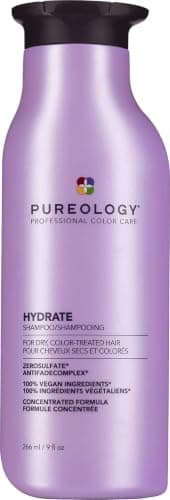
| Pureology Hydrate | Dryness | Sulfate-free, per the brand | Dry, medium to coarse, colored |
|---|
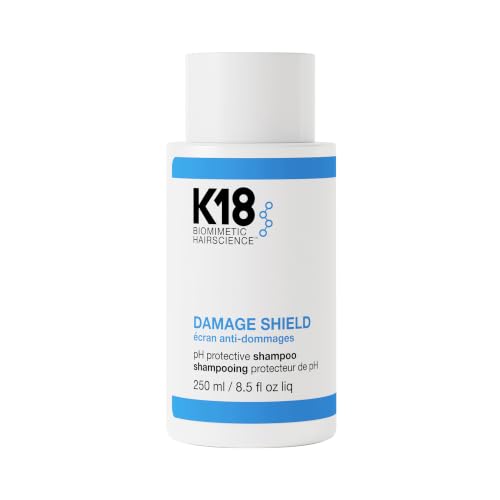
| K18 DAMAGE SHIELD | Damage | Sulfate-free and pH-protective, per the brand | Bleached, heat-styled, chemically treated |
|---|
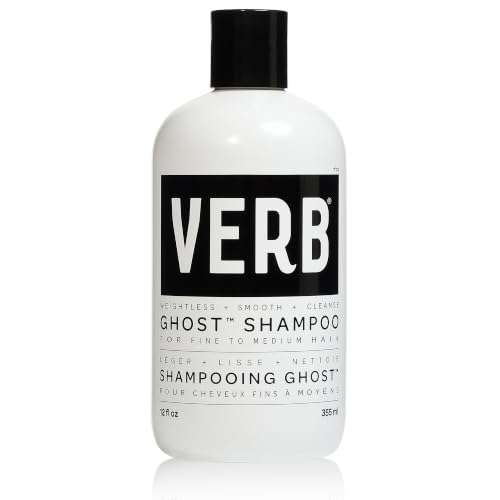
| Verb Ghost | Dryness without weight | Sulfate-free, per the brand | Fine, frizz-prone |
|---|
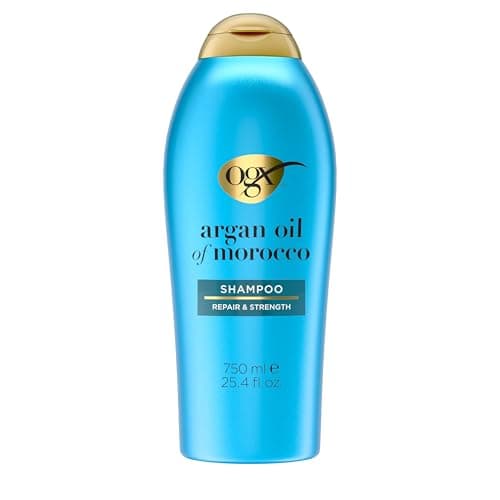
| OGX Renewing + Argan Oil | Dryness, richer | Conventional surfactants | Thick, coarse, dry |
|---|
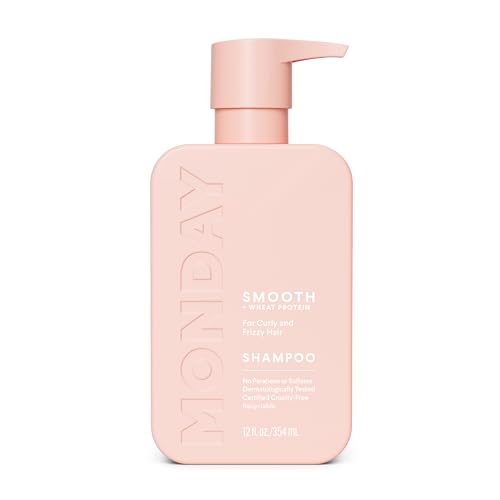
| MONDAY Smooth | Dryness, everyday | Sulfate-free, per the brand | Normal to slightly dry, any thickness |
|---|
Read the second column first. Four of these five are moisture plays and one is a damage play, which is roughly the right ratio for how frizz actually divides up.
Which one suits your hair
Frizz all over, worse in humidity, hair feels rough when dry. Dryness. The Pureology, or the MONDAY if you would rather spend less to confirm the diagnosis first. Pair either with a conditioner that actually stays on the hair — the conditioner shortlist for textured hair covers that step.
Frizz in the ends only, hair is colored or heat-styled. Damage. The K18 wash, and then a bond treatment rather than a mask — the bond repair shortlist ranks that category.
Fine hair that frizzes and then goes flat. The Verb. This is the combination most frizz shampoos make worse, because the rich ones that calm frizz also weigh fine hair down.
Thick, coarse, frizz-prone hair. The OGX, which is heavy enough to matter on coarse hair and costs very little. Follow it with an oil on the ends — the anti-frizz oil roundup is the companion page.
Curls rather than frizz. Different page. A shampoo for curls is judged on whether it leaves enough slip to detangle in the shower, and shampoos for curly hair is the list for that.
How you wash matters as much as what you wash with
Four changes that cost nothing and do more than switching bottles:
- Shampoo the scalp, condition the ends. The frizz is in the lengths and the dirt is at the roots. Scrubbing shampoo through the ends is how dryness gets worse.
- Cooler final rinse, and stop rubbing with a terry towel. Friction on wet hair raises the cuticle, which is the literal definition of frizz. A cotton t-shirt works better and costs nothing.
- Do not wash more often than you need to. The American Academy of Dermatology's everyday-care guidance ties wash frequency to how oily your scalp is rather than to a schedule (AAD, everyday hair care).
- Apply anything leave-on while hair is still damp. Product applied to bone-dry frizzy hair mostly sits on top of it.
What not to buy
Anything sold as an anti-frizz shampoo with no mention of moisture or repair. There is no third mechanism. A shampoo either cleans gently and leaves conditioning agents behind, or it does not.
A keratin or protein shampoo when your hair is dry rather than damaged. Protein on hair that needs water makes it feel stiff and frizzier, which is the whole subject of protein overload.
A second shampoo while the first one is still working. Give any wash three or four washes before you judge it. The first wash after switching often reads worse than it is, because you are also rinsing out whatever the last product left behind.
The wash is one step of four. The full anti-frizz routine puts it alongside the weekly treatment, the leave-in and the finishing oil, with two builds to copy depending on whether you are fixing frizz today or for good.