Strand&Suds

Hair Types & Porosity · Our picks

The Best Products for Thick, Coarse Hair

Coarse hair has a wide strand diameter, so it tolerates weight that would flatten anyone else and needs more product to coat the same head. Start with a rich sulfate-free shampoo, a weekly mask and a finishing oil, and ignore anything marketed as weightless.

By Janet H.Updated How we pick
#ad

We earn a commission if you buy through our links, at no extra cost to you. It never decides the ranking — the method is published · Affiliate disclosure

The short answer

Quick picks

#ProductBest forKey ingredientPrice
1
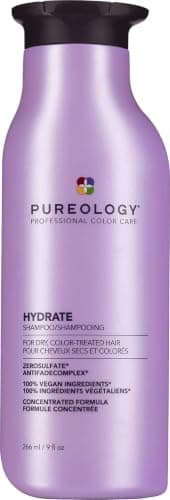
Pureology Hydrate Shampoo

Sulfate-free and genuinely rich, which is the combination coarse hair wants. Gentle cleansing matters more here because coarse hair is slow to recover from being stripped.

Best shampooSulfate-free cleansing system, which strips less color than a standard surfactant$39.00Amazon
2
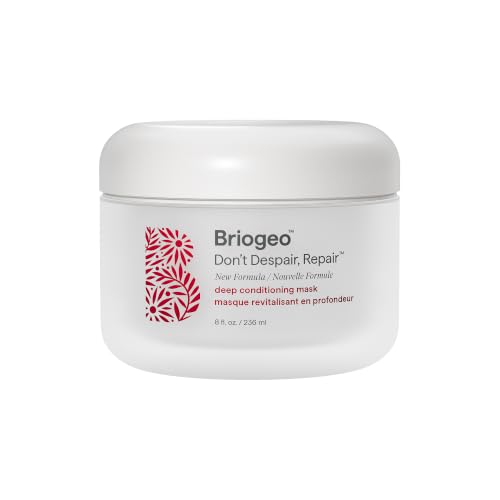
Briogeo Don't Despair, Repair! Deep Conditioning Mask

Coarse hair can absorb a rich mask weekly without going limp, and this is the step that changes how it behaves.

Best weekly maskRosehip and argan oils — emollients that soften the strand and reduce the friction that causes mechanical breakage$39.00Amazon
3
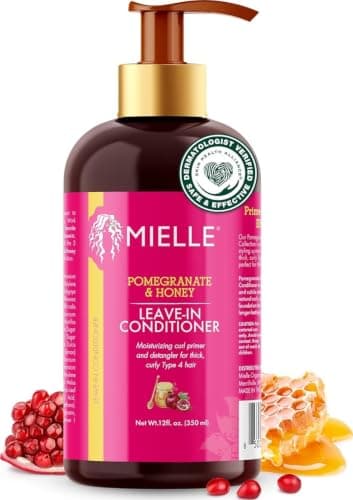
Mielle Organics Pomegranate & Honey Leave-In Conditioner

Built for thick, tangle-prone hair and heavy enough to still be doing something when the hair is dry.

Best leave-inBabassu oil and citrus extracts, which Mielle states smooth the cuticle and help retain hydration$12.89Amazon
4
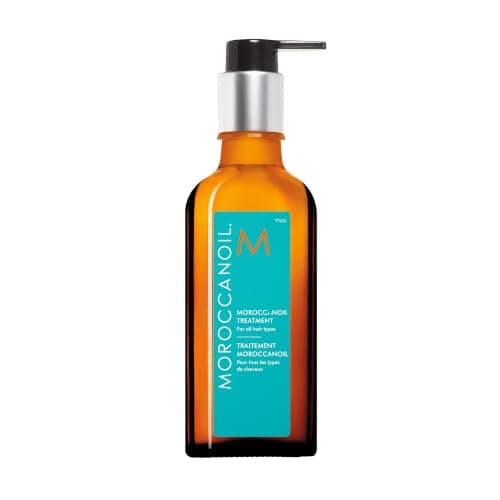
Moroccanoil Treatment Original

The manufacturer positions it for medium to thick hair, which is exactly right. Fine hair cannot carry this; coarse hair barely notices it is there.

Best finishing oilArgan oil, an emollient that coats the cuticle and reduces the friction that causes frizz and breakage$50.00Amazon
5
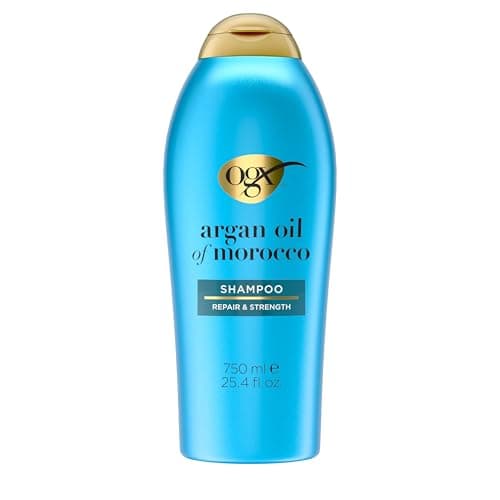
OGX Renewing + Argan Oil of Morocco Shampoo

Not sulfate-free, so it is the wrong pick if you color. For uncolored coarse hair on a tight budget it is a reasonable rich wash.

The budget optionArgan oil, for the same cuticle-smoothing emollient effect as the salon versions$10.97Amazon

#ad · Prices come live from the retailer, last checked November 11, 2026; where we have no verified live price we show none. These picks are chosen from formulation research, not from testing them ourselves. Tap a row for the full write-up.

Thick is not the same as coarse, and the products differ

These two words get used interchangeably in product marketing and they describe different things.

Thick means density — a lot of hairs per square inch. A thick head of hair can be made of fine strands, which is why some people have enormous ponytails and hair that still goes limp under a heavy conditioner. Density affects how much product you need, not which product.

Coarse means strand diameter — each individual hair is wide. That is a structural property, and it is the one that changes what you should buy. A coarse strand has proportionally more cortex to the surface area of its cuticle, which is why coarse hair feels strong and wiry, resists bending into a curl or a straight line, and takes longer to dry.

The practical test takes ten seconds. Pull one shed hair out and roll it between your fingers. If you cannot feel it at all, it is fine. If it feels like a thread or a piece of fishing line, it is coarse. Compare it against a sewing thread if you want a reference: coarse hair is roughly the same width or wider.

If your strands turn out to be fine and you simply have a lot of them, you are in the wrong section — shampoos for fine hair is the right list, and most of what follows will flatten you.

What coarse hair actually changes about buying products

Four consequences, and they all point the same way.

You need more product to coat the same head. Not because coarse hair is greedy, but because there is more surface to cover per strand and the strands resist spreading product along themselves. Under-using a good product is the most common reason coarse hair appears not to respond to it.

You can carry weight nobody else can. Butters, heavy oils and rich creams that would make fine hair look unwashed sit well on coarse hair. This is the one genuine advantage in the category and most people with coarse hair under-use it, because mainstream product language is written for the fine-haired majority.

Dryness reads as frizz and roughness rather than limpness. Coarse hair that is short of moisture does not go flat, it goes wiry and halo-ish, especially in humidity. That is why the fix is moisture rather than hold.

Porosity still decides the details. Coarse and high-porosity is the thirstiest combination there is; coarse and low-porosity needs warmth and time to get anything in. If you have never checked, the porosity test takes five minutes and the high-porosity shortlist is the companion list to this one.

How we picked these five

1. Rich, and honest about it. Every pick here is explicitly formulated for dry, thick or coarse hair by its maker rather than sold as suitable for all types. A product that claims to work for everyone is usually tuned for the middle of the market, which is not where coarse hair lives.

2. Gentle cleansing wherever possible. Four of the five are either sulfate-free or not a cleanser at all. Coarse hair is slow to feel normal again after being stripped, and a harsh wash undoes a week of conditioning in one shower — the sulfate-free case is set out here.

3. One pick per job, not five shampoos. Coarse hair needs a complete routine more than it needs the perfect shampoo. The five below are a wash, a weekly treatment, a leave-in, a finishing oil and a cheap alternative to the first one.

4. Moisture before protein. Every pick leads with emollients and humectants. That is deliberate, and the next section explains why.

What we did not use: scores, star ratings or review counts. Each pick carries its editorial role and a specific disqualifier instead.

We have not used these products ourselves. They are chosen from what is in the formula, what those ingredients are documented to do, and whether that matches the problem this page is about — and every product below links to the manufacturer's own page so you can check the formulation claims yourself. The full method is here.

The protein trap, and why coarse hair falls into it

Coarse hair feels strong, so strengthening products are an intuitive purchase, and keratin, collagen and amino-acid shampoos are marketed hard at exactly this hair.

The problem is that coarse hair which is behaving badly is usually dry rather than weak. Adding protein to hair that has enough of it makes strands stiffer and more brittle, and the result reads as the same wiriness you were trying to fix — so people buy more protein. That cycle has a name and a fix, and the protein overload guide goes through the symptoms and how to reverse it.

The exception is real damage. If your coarse hair has been bleached, relaxed or permanently straightened, the damage is structural and protein and bond chemistry genuinely help — the comparative work on bleaching damage shows loss of structure inside the strand, not just dryness on the surface (bleaching and hair microstructure, PMC). Start at bond repair in that case rather than here.

A routine that actually works on coarse hair

  • Wash less often than you think. Two or three times a week is plenty for most coarse hair, and sebum travels down a wide strand slowly, so your ends are dry long before your roots are greasy.
  • Shampoo the scalp only. The lengths get cleaned by the suds running past them. Scrubbing the ends is how they get rough.
  • Use more conditioner than the bottle implies, and leave it longer. Three to five minutes, on the lengths and ends, every wash.
  • Detangle wet, with conditioner still in, from the ends upward. A wide-tooth comb, in sections. The AAD makes the same point about handling rather than products doing most of the work (AAD, tips for healthy hair).
  • Apply the leave-in to soaking hair, not damp hair. Coarse hair holds water well and the water helps the product spread.
  • Oil the ends last, on whatever is still slightly wet. A few drops, warmed between your palms, ends and mid-lengths only.
  • Clarify monthly, not weekly. Heavy products do build up, but over-clarifying coarse hair is a fast route back to wiry.

What to stop buying

Anything called weightless, volumizing or body-building. These are formulated to deposit as little as possible. That is the opposite of what coarse hair needs, and it is the single most common mismatch in the category.

Clarifying shampoo as your everyday wash. Useful monthly, destructive weekly — the clarifying shortlist explains the cadence.

Protein-first shampoos, unless your hair is chemically damaged. Covered above.

Alcohol-heavy styling sprays. They flash-dry hair that was already short of moisture.

More products, when the answer is more of the product you own. Before you add a sixth bottle, try doubling the amount of conditioner and leaving it on three minutes longer. On coarse hair that change alone resolves a surprising share of complaints, and the routine-by-hair-type guide sets out what the rest of the week should look like.
In detail

The picks, in full

1Best shampoo

Pureology Hydrate Shampoo

Sulfate-free and genuinely rich, which is the combination coarse hair wants. Gentle cleansing matters more here because coarse hair is slow to recover from being stripped.

Who it suits: Dry, color-treated hair where both moisture and color retention matter

What is doing the work

  • Sulfate-free cleansing system, which strips less color than a standard surfactant
  • Moisturizing agents Pureology states deliver more hydration in one use than its comparison

What works

  • Solves dryness and color fade in the same bottle
  • Concentrated, so the salon price stretches further than it looks
  • Vegan formulation per the manufacturer

What to note

  • Expensive per bottle
  • Too rich for fine hair that goes flat easily

Skip it if your hair is fine and limp — a volumizing color-safe cleanser will serve you better than a moisture-first one.

Pureology Hydrate Shampoo
$39.00View on Amazon

#ad · Price as of November 11, 2026 · Affiliate disclosure for the link to Hydrate Shampoo

2Best weekly mask

Briogeo Don't Despair, Repair! Deep Conditioning Mask

Coarse hair can absorb a rich mask weekly without going limp, and this is the step that changes how it behaves.

Who it suits: Dry, brittle or over-processed hair that needs moisture more than structural repair

What is doing the work

  • Rosehip and argan oils — emollients that soften the strand and reduce the friction that causes mechanical breakage
  • B-vitamins, algae extract and biotin in the brand's NOVA Complex, per Briogeo
  • Formulated without sulfates, silicones, phthalates, parabens, DEA or artificial dyes, per the manufacturer

What works

  • Noticeably softer hair after a single use on genuinely dry lengths
  • No silicones, so it does not build up over weeks of use
  • Works as a normal weekly step rather than a separate ritual

What to note

  • Rich enough to weigh down fine hair if you take it near the roots
  • Moisture, not bond repair — it will not fix bleach damage

Skip it if your hair is fine and goes limp easily, or your damage came from bleach — a lighter conditioner or a bond treatment is the better call.

Briogeo Don't Despair, Repair! Deep Conditioning Mask
$39.00View on Amazon

#ad · Price as of November 11, 2026 · Affiliate disclosure for the link to Don't Despair, Repair! Deep Conditioning Mask

3Best leave-in

Mielle Organics Pomegranate & Honey Leave-In Conditioner

Built for thick, tangle-prone hair and heavy enough to still be doing something when the hair is dry.

Who it suits: Thick, curly and coily hair that needs detangling before styling

What is doing the work

  • Babassu oil and citrus extracts, which Mielle states smooth the cuticle and help retain hydration
  • Honey, a humectant that draws water into the strand

What works

  • Enough slip to detangle thick coils without breakage
  • Light enough to layer a cream or gel over it
  • Designed for type 4 hair rather than adapted to it

What to note

  • Humectant-heavy, which can backfire in very high humidity
  • Not enough on its own to hold a style

Skip it if you want a single product that also holds the curl — this is a primer and needs a cream or gel over it.

Mielle Organics Pomegranate & Honey Leave-In Conditioner
$12.89View on Amazon

#ad · Price as of November 11, 2026 · Affiliate disclosure for the link to Pomegranate & Honey Leave-In Conditioner

4Best finishing oil

Moroccanoil Treatment Original

The manufacturer positions it for medium to thick hair, which is exactly right. Fine hair cannot carry this; coarse hair barely notices it is there.

Who it suits: Medium to thick hair that needs shine and frizz control on dry or damp lengths

What is doing the work

  • Argan oil, an emollient that coats the cuticle and reduces the friction that causes frizz and breakage
  • A silicone base that gives the immediate slip and shine — which is also why it needs clarifying occasionally

What works

  • Two or three drops is genuinely enough, so a bottle lasts
  • Cuts blow-dry time noticeably on thick hair
  • Works on damp or dry hair, so it doubles as a finishing product

What to note

  • Silicone-based, so it builds up without periodic clarifying
  • Overdo it on fine hair and you get greasy rather than glossy

Skip it if your hair is fine and goes greasy by day two — a lighter serum, used only on the ends, is the safer choice.

Moroccanoil Treatment Original
$50.00View on Amazon

#ad · Price as of November 11, 2026 · Affiliate disclosure for the link to Treatment Original

5The budget option

OGX Renewing + Argan Oil of Morocco Shampoo

Not sulfate-free, so it is the wrong pick if you color. For uncolored coarse hair on a tight budget it is a reasonable rich wash.

Who it suits: Dry, rough hair on a tight budget

What is doing the work

  • Argan oil, for the same cuticle-smoothing emollient effect as the salon versions
  • Formulated without sulfated surfactants, parabens, phthalates, microplastics or dyes, per OGX

What works

  • Sulfate-free at drugstore prices, which is rare
  • Large bottles and wide availability
  • Gentle enough for frequent washing

What to note

  • Heavily fragranced, which not everyone gets on with
  • Conditioning agents can build up on fine hair over a few weeks

Skip it if fragrance bothers your scalp — this is one of the more strongly scented shampoos on the shelf.

OGX Renewing + Argan Oil of Morocco Shampoo
$10.97View on Amazon

#ad · Price as of November 11, 2026 · Affiliate disclosure for the link to Renewing + Argan Oil of Morocco Shampoo

How we picked

Products we have personally tested: none

Most hair care roundups are written in a "we tested these" voice. We have not, and saying so is the point. These picks are chosen the way an informed shopper would choose them: read what is actually in the formula, check what those ingredients are documented to do, match that against the specific problem the page is about, and confirm the product is still being sold.

Each pick gets a role — the drugstore option, the one for high porosity, the gentlest of the set — rather than a score out of ten, because a score would imply a measurement nobody took. Nobody pays for inclusion or placement, and when the cheap product is the right answer we say that too. The full method is on one page.

Questions

Frequently asked

What is the difference between thick hair and coarse hair?
Thick describes density — how many hairs you have. Coarse describes the diameter of each individual strand. You can have thick fine hair or sparse coarse hair, and only the strand diameter changes which products suit you.
How do I know if my hair is coarse?
Roll a single shed hair between your fingers. Fine hair is barely detectable; coarse hair feels like a thread. Comparing it against a sewing thread gives you a usable reference.
Should coarse hair use protein products?
Only if it is chemically damaged. Coarse hair that is misbehaving is usually dry rather than weak, and adding protein to hair that has enough makes it stiffer and more prone to snapping.
How often should coarse hair be washed?
Two or three times a week suits most coarse hair. Sebum moves slowly down a wide strand, so the ends are dry well before the roots feel greasy.
Is coconut oil good for coarse hair?
It is a reasonable pre-wash treatment on coarse hair, which tolerates its weight far better than fine hair does. As a finishing product most people prefer something lighter that does not go solid at room temperature.

Next

Receipts

Sources

  1. 1.American Academy of Dermatology — Everyday hair care
  2. 2.American Academy of Dermatology — Tips for healthy hair
  3. 3.On hair care physicochemistry: from structure and degradation to novel biobased conditioning agents (PMC)
  4. 4.Effects of excessive bleaching on hair: comparative analysis of external morphology and internal microstructure (PMC)

Claims about what an ingredient does are cited to dermatology bodies or published research. Claims about what a product contains are cited to the manufacturer's own page and labeled as the manufacturer's claim. Where the evidence is thin, we say so on the page rather than rounding it up. Read the full method.