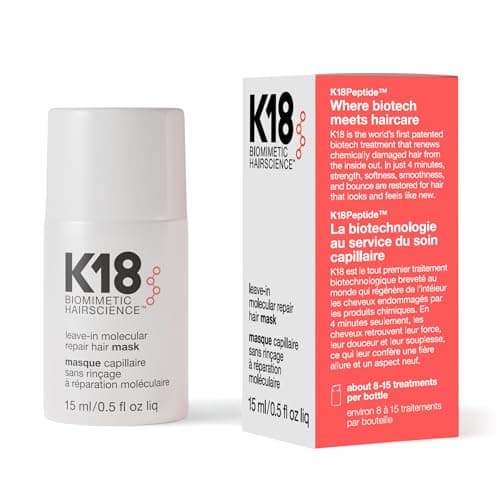
What bond repair actually claims, in the makers' own words
Bleach, permanent color and relaxers work by opening the hair and breaking bonds inside the strand. Peer-reviewed work on bleached hair documents both the internal and the external damage that follows (bleaching and hair microstructure), and a conditioner cannot reach any of it — conditioning agents sit on the surface.
Bond repair is the category that claims to work inside the strand instead. Two different chemistries dominate it, and both brands describe their own mechanism plainly:
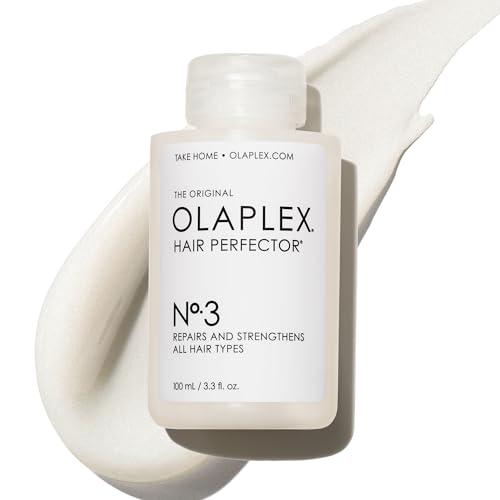
- Olaplex states that its patented active works on broken disulfide bonds inside the strand rather than coating the surface.
- K18 states that its peptide reconnects polypeptide chains and disulfide bonds broken by bleach, color and heat, and that the formula is pH-optimized to limit cuticle swelling during the treatment.
Those are the manufacturers' claims and we have not upgraded them. What neither category claims, and what no product on this page does, is undo split ends or replace hair that has already broken off. Bond repair treatments explained is the longer version of this argument, and Olaplex vs K18 compares the two head to head.
How we picked these five
1. Real bond chemistry, then its support acts. Two genuine bond treatments, one strength mask, one wash and one oil. The list is honest about which is which rather than calling all five "repair".
2. Format decides whether you use it. A four-minute leave-in and a twenty-minute pre-shampoo mask are different commitments, and the one you will actually do weekly is the one that works.
3. Claims read as written. "Repair" here means the manufacturer's stated mechanism, cited to its own product page.
4. A cheaper way in. This is the most expensive shelf in hair care, so the list names the cheapest pick that still does something.
5. No scores, no claimed testing. A role and a disqualifier per pick.
We have not used these products ourselves. They are chosen from what is in the formula, what those ingredients are documented to do, and whether that matches the problem this page is about — and every product below links to the manufacturer's own page so you can check the formulation claims yourself. The full method is here.
The five, side by side
| Pick | Format | Where it sits in the routine | What it claims, per the brand |
|---|
| K18 Leave-In Molecular Repair Mask | Leave-in, four minutes | After shampoo, before anything else | Reconnects broken polypeptide chains and disulfide bonds |
|---|
| Olaplex Nº.3 Hair Perfector | Pre-shampoo treatment | On dry or damp hair before washing | Works on broken disulfide bonds inside the strand |
|---|
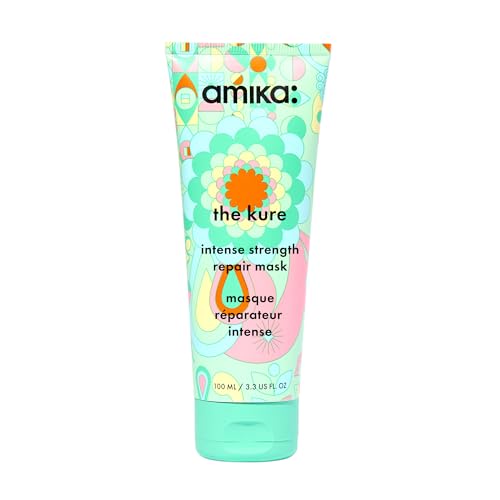
| amika The Kure | Rinse-out mask | In place of conditioner, weekly | Intense strength repair for over-processed hair |
|---|
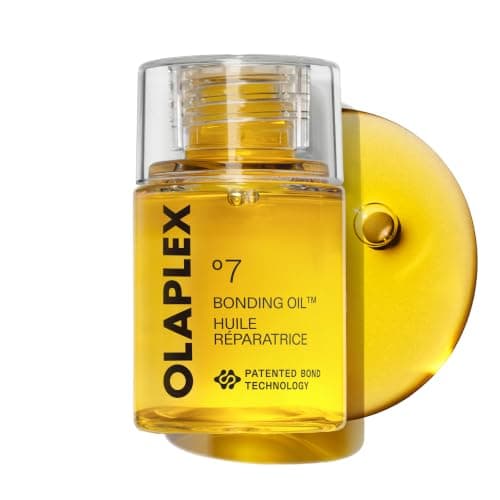
| Olaplex Nº.7 Bonding Oil | Finishing oil | On damp or dry hair before heat | Shine and heat protection |
|---|
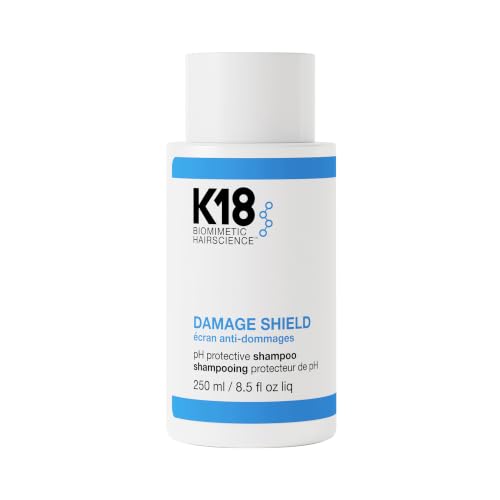
| K18 DAMAGE SHIELD Shampoo | Shampoo | Every wash | pH-protective, sulfate-free maintenance |
|---|
Who needs this and who does not
You need it if: your hair is bleached, highlighted, permed or relaxed and it now stretches and snaps mid-length rather than simply feeling dry. That snap is the signature of bond damage and it is the one problem this category addresses.
You do not need it if: your hair has never been chemically treated. Dry, untreated hair wants moisture, and the conditioner shortlist for dry hair will do more for a fraction of the money. Spending bond-treatment prices on moisture is the most common mistake in this aisle.
If you are not sure which you have, do the wet stretch test described in the protein overload page. Hair that stretches a long way and does not spring back is short of protein and structure; hair that snaps immediately with no stretch is already protein-heavy and wants moisture instead.
Fine hair. The K18 leave-in is the pick, because rinse-out repair masks are what flatten fine hair. The Olaplex pre-shampoo treatment is also workable since it is washed out afterwards.
How to use a bond treatment so it is not wasted
- Follow the format. A pre-shampoo treatment used after conditioner is money poured down the drain; a leave-in applied over styling product never reaches the hair. The product order page has the whole sequence.
- Weekly, not daily. None of these claims a faster result from more frequent use, and over-treating is how hair ends up stiff.
- Keep conditioning separately. A bond treatment is not a conditioner, and hair can feel rough straight after one if you skip the conditioning step.
- Remove the cause. No treatment keeps pace with weekly bleach or daily 450-degree heat. Whether you need a heat protectant is the cheaper half of this problem.
What not to buy
Two bond systems at once. Pick one chemistry and give it a month. Running Olaplex and K18 together does not stack, and it makes it impossible to tell which one did anything.
A "bonding" product with no named active. The word is not regulated. If the brand cannot tell you what the molecule is and what it does, the bottle is a conditioner with better marketing.
A bond treatment instead of a haircut. Split ends are mechanically separated hair. Nothing re-fuses them, and the split-ends page is explicit about the limit.