What each one actually does
A leave-in conditioner is mostly water, carrying conditioning agents, humectants and sometimes proteins. It deposits those on and into the outer layers of the strand, where they attract and hold moisture and give the slip that lets a comb pass through wet hair without snapping it. The American Academy of Dermatology's own guidance on leave-in conditioner frames it as a detangling and moisture-retention step, particularly for dry, curly or chemically treated hair (AAD, tips for using leave-in conditioner).
A hair oil contains no water at all. It is an occlusive film: it lies over the cuticle, smooths it, reduces friction between strands, adds shine and slows the rate at which water evaporates out of the hair. That film is useful and it is not hydration — there is nothing in an oil for the strand to absorb as moisture.
Which is the whole answer to the question in the title. Water moisturizes hair. Oil keeps water from leaving. A product that cannot deliver water cannot moisturize, which is why people who use only oil on dry hair end up with hair that is shiny, soft to the touch and still brittle.
Side by side
| Leave-in conditioner | Hair oil |
|---|
| Base | Water | Oil or oil-and-silicone, no water |
|---|
| Main job | Hydration and slip for detangling | Seal, shine and friction control |
|---|
| Where it goes | Mid-lengths and ends on damp hair | Bottom third, after the leave-in |
|---|
| How much | A coin-sized amount, or two spray passes | Two to four drops |
|---|
| Reduces breakage by | Letting a comb through wet hair | Lowering friction between strands and against fabric |
|---|
| If you skip it | Tangles, snapping, dryness that returns in hours | Rougher surface, more frizz, duller ends |
|---|
The order, and why it matters more than the brand
Damp hair, then leave-in, then oil. That sequence is not a preference — it follows from the chemistry. The leave-in has to reach the strand, and it cannot do that through a film of oil. Put the oil on first and you have sealed a dry strand, which is the single most common reason an expensive routine does nothing.
The full product order covers where styling products, creams and heat protectants fit around those two steps.
From the picks
One of each, in the order they go on
Two leave-ins — a spray all-rounder and the cheap drugstore version — then two oils, a single-ingredient argan and the silicone blend. Leave-in first on damp hair, oil on the bottom third afterwards.
Best all-rounder leave-in
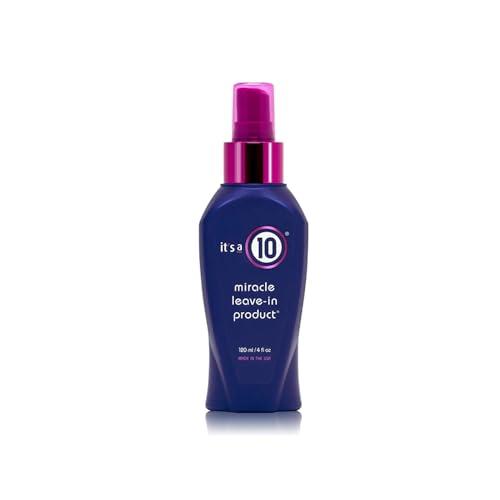
It's a 10 Miracle Leave-In Product
A spray leave-in that covers several jobs at once. The brand lists ten claimed benefits including detangling, frizz control and thermal protection, and the practical value is that it replaces two or three bottles.
L'L'Oréal ParisNo product photograph available for the L'Oréal Paris Elvive Total Repair 5 Ceramide Recharge Leave-In Conditioner
The drugstore leave-in
L'Oréal Paris Elvive Total Repair 5 Ceramide Recharge Leave-In Conditioner
A cheap, widely stocked leave-in built around ceramides. It does the everyday job of keeping dry ends manageable, which is most of what a leave-in is for.
Best finishing oil
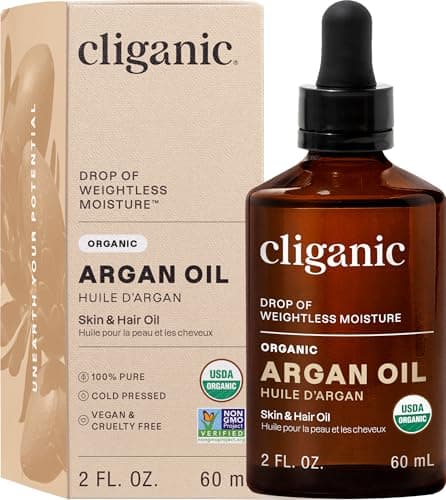
Cliganic Organic Argan Oil
A single-ingredient argan oil that does the job most people actually want an oil for: two or three drops on damp ends, cuticle laid flat, frizz down, shine up. It does not enter the strand the way coconut oil does, and for this job it does not need to.
Best finishing oil
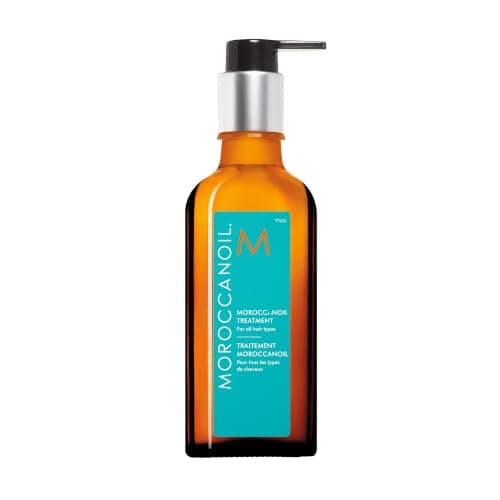
Moroccanoil Treatment Original
The product that started the argan-oil category and still the most useful version of it: a few drops through damp lengths smooths the cuticle and cuts drying time.
If you can only buy one, buy the leave-in
Three reasons, in order of how much they matter.
It addresses the cause rather than the symptom. Dry hair is short of water. A leave-in brings some; an oil cannot.
It prevents the breakage that actually costs you length. Hair is at its most fragile wet, and most length is lost to mechanical breakage during detangling rather than to slow growth. Slip is the intervention for that.
Many leave-ins already include thermal protection. That makes one bottle cover two steps, and whether you need a dedicated protectant often turns out to be no.
The exception: if your hair is fine and goes limp, a leave-in can be the thing weighing it down, and two drops of a light oil on the ends only may suit you better. The fine-hair oil picks are built for that case.
When you need both
Most dry, coarse, curly or color-treated hair wants both, because the two steps compound. High-porosity hair in particular — bleached, chemically treated or naturally coarse — takes water up readily and loses it just as fast, which is exactly the pattern where adding a seal on top of the hydration pays off (true porosity measurement of hair, PubMed). If you have never checked, the porosity test is ten minutes and decides this for you.
Curly hair is the clearest case of all: a leave-in for slip and definition, an oil or cream to hold it, and the curly leave-in shortlist is the right starting point rather than this page.
The three common mistakes
Oil on dry hair expecting moisture. It will feel better and be no more hydrated. Wet the hair, or use a leave-in, first.
Leave-in at the roots. It belongs on mid-lengths and ends. At the roots it reads as greasy within a day and does nothing useful.
Too much of either. A coin of leave-in and two to four drops of oil is a full application for most heads. More is the reason people conclude a product did not work for them.
If you want the longer version of the oil half of this, hair mask vs hair oil covers the weekly treatment step, and the leave-in shortlist has the picks for dry hair specifically.