What going sulfate-free actually changes
Sulfates — usually sodium lauryl sulfate or sodium laureth sulfate — are the surfactants that make shampoo foam and clean hard. Removing them and substituting gentler surfactants changes three things and leaves the rest alone.
- Less lather. A real, immediate difference, and the reason people think a sulfate-free shampoo "is not working". Foam is not cleaning.
- Less of the hair's own lipid layer removed. This is the actual benefit. Hair comes out of the shower less parched, which matters most if it was dry to begin with.
- Less effective at removing buildup. The flip side, and the one nobody mentions on the bottle. Gentler surfactants leave more behind — including silicones and styling product.
What it does not change: color fade is driven mostly by water, heat and oxidation rather than by sulfates alone, and the AAD's everyday-care guidance frames shampoo choice around scalp oiliness and hair condition rather than around any single ingredient (AAD, everyday hair care). The full sulfate-free guide goes through the evidence, and sulfate-free vs color-safe separates two labels that get used interchangeably and should not be.
Who actually needs one
Worth it: dry hair, coarse hair, color-treated or bleached hair, curls and coils, and anyone washing daily. In all of those cases you are either short of moisture to begin with or removing it too often.
Probably not worth paying extra for: an oily scalp that needs a proper clean, fine hair that goes limp easily, and anyone who uses silicone-heavy styling products daily. In those cases the gentler wash is working against you — shampoos for oily hair is the right list.
A middle case worth naming: a sensitive or reactive scalp. Sulfates are a known irritant for some people, and if washing leaves your scalp tight or itchy, switching is a cheap experiment. That is a scalp reason rather than a hair reason, and the budget pick on this page is the sensible way to test it.
How we picked these five
1. Sulfate-free per the manufacturer's own page. Not inferred from marketing copy on a retailer listing.
2. Spread across hair types and prices. A salon pick for dry hair, a lightweight pick for fine hair, a clarifier, a short-ingredient pick and a single-digit option.
3. A clarifier included on purpose. Most sulfate-free lists ignore buildup, which is the predictable consequence of the switch.
4. A real budget pick. Going sulfate-free does not require salon pricing, and the cheapest pick here proves it.
We have not used these products ourselves. They are chosen from what is in the formula, what those ingredients are documented to do, and whether that matches the problem this page is about — and every product below links to the manufacturer's own page so you can check the formulation claims yourself. The full method is here.
The five, side by side
| Shampoo | Best for | Weight | How often |
|---|
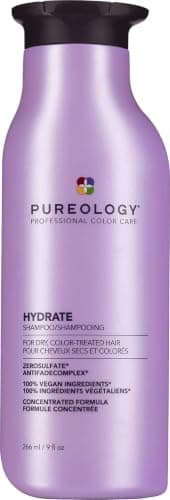
| Pureology Hydrate | Dry and color-treated hair | Rich | Every wash |
|---|
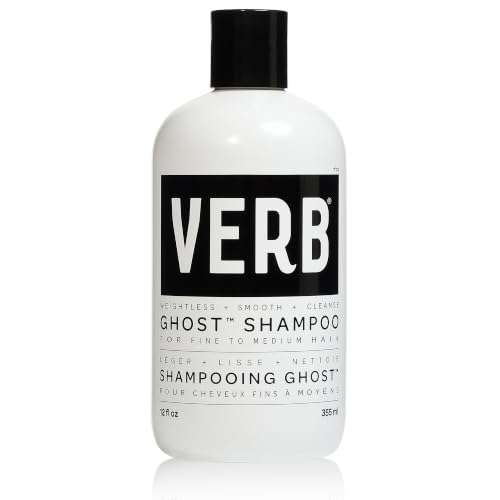
| Verb Ghost | Fine hair | Light | Every wash |
|---|
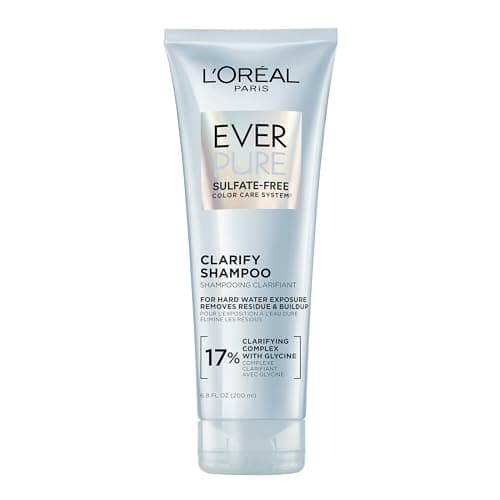
| L'Oréal EverPure Clarifying | Removing buildup | Light | Monthly |
|---|
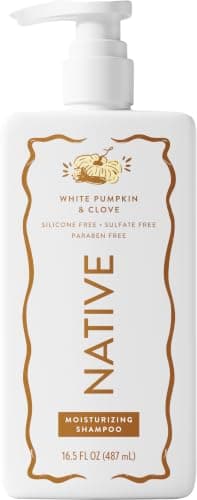
| Native Moisturizing | Short ingredient list | Medium | Every wash |
|---|
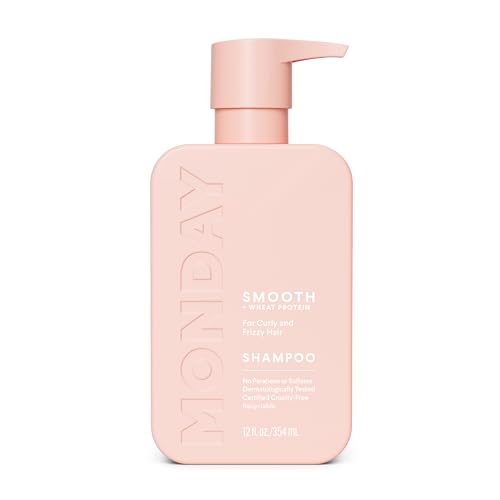
| MONDAY Smooth | Trying the switch cheaply | Medium | Every wash |
|---|
The gap every sulfate-free routine leaves
Buildup. A gentler surfactant removes less of everything, including the silicones in your leave-in and the polymers in your styling product. After four to six weeks that shows up as hair that feels coated, looks dull and stops responding to product — and the usual response is to buy more product, which makes it worse.
The fix is one clarifying wash a month, which is why a clarifier is on this list. If your scalp also feels waxy or flaky, scalp buildup is the page, and whether clarifying strips color answers the question that stops most people doing it.
Two other practical notes for the switch. Give it three or four washes before judging — the first wash often reads worse because you are rinsing out the previous routine. And expect to use a slightly larger amount and work it in longer, since you are not getting foam as a signal that the product has spread.
What not to buy
A sulfate-free shampoo for an oily scalp. You need the clean. A gentle wash on a scalp that is greasy by day two means washing more often, which defeats the purpose.
Anything claiming sulfate-free means chemical-free. It means a different surfactant, which is still a chemical doing the same job. What the natural and organic labels actually mean covers this family of claims.
A salon-priced bottle before you know it helps. Buy the cheapest sulfate-free shampoo you can find, run it for a month, and only then decide whether the category is worth real money for your hair.