What silicones actually do to hair
A silicone is a synthetic polymer that spreads into a thin, flexible film over the cuticle. That film does three things, all of them real and all of them the reason silicones are in almost every conditioner, serum and smoothing cream sold.
It lowers friction, so a comb slides through instead of catching — and because hair is at its most fragile when wet, lower friction during detangling genuinely means less breakage. It lays the cuticle flat, which makes hair reflect light and read as shiny. And it is hydrophobic, so it slows water moving in and out of the strand, which is what stops hair swelling and frizzing in humid air.
None of that is damage. A silicone does not rot your hair, block the follicle or cause hair loss, and claims along those lines are the most overstated thing in this whole category. What silicones do is accumulate. The heavier ones are not water-soluble, so an ordinary sulfate-free wash leaves most of the film behind. Layer products containing them daily, wash gently, and after a couple of months the strand is carrying a coating rather than a film.
That is the whole case against them, and it is a real one. Coated hair feels smooth but looks flat. It stops responding to conditioner, because nothing new can reach it. It gets heavy. On fine hair it goes limp, and on low-porosity hair — where the cuticle already lies flat and resists everything — it happens faster. The same mechanism is behind two problems covered elsewhere on the site: protein overload, which is the same story with a different polymer, and hard-water mineral buildup.
How to read the label without memorizing chemistry
You do not need the full list. Three suffixes cover almost everything, and the position in the list tells you how much is in there.
- -cone — dimethicone, amodimethicone, cyclopentasiloxane, phenyl trimethicone. The workhorses.
- -conol — dimethiconol. Heavier, very good at shine, very persistent.
- -siloxane and -silane — usually the light, volatile ones that evaporate rather than staying put.
Two useful distinctions. Anything beginning with PEG- or carrying -PG or hydroxypropyl in front of the silicone name has been modified to be water-soluble, and rinses out with normal shampoo — those are not the ones that build up. And amodimethicone is charged in a way that makes it deposit selectively on the most damaged parts of the strand, which is why it appears in repair products and why it is less prone to piling up evenly over everything.
The practical version: if a silicone appears in the first five ingredients of a leave-in product you use every day, it is worth knowing about. If it appears near the bottom of a rinse-out conditioner, it is almost certainly not your problem.
Who should genuinely cut them out
Three groups, and they are specific.
Fine hair that goes limp and dull. This is the clearest case. Fine strands have the least surface area to carry a coating before the weight shows, and the symptom — soft to the touch, flat and lifeless in the mirror — is exactly what a silicone film produces. Our fine hair shampoo shortlist is built around this.
Low-porosity hair. A flat, tight cuticle keeps everything on the surface. Products sit on top instead of going in, so they stack up fast, and the usual complaint — nothing seems to moisturize it — is often a coating problem rather than a moisture problem. The low-porosity shortlist covers what to use instead.
Anyone following a curly-girl routine. Curly routines layer several leave-on products daily and avoid sulfates, which is the one combination where buildup is close to guaranteed. Excluding silicones is a sensible rule inside that system — not because they are harmful, but because the routine has no step that removes them. See the curly routine for beginners.
From the picks
Silicone-free, and documented as such
Four products whose makers state they contain no silicones: a simple everyday wash, two masks at different weights, and a leave-in for coils. One wash plus one mask is a complete silicone-free routine for most people — this is a list to choose from, not a list to buy.
Best short ingredient list
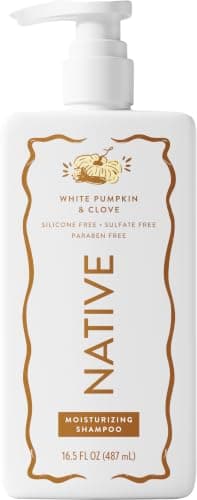
Native Moisturizing Shampoo
A deliberately short formula — Native states around ten ingredients — and sulfate-free at a supermarket price. Nothing here targets a specific problem, and for a lot of people that is exactly right.
Best weekly mask
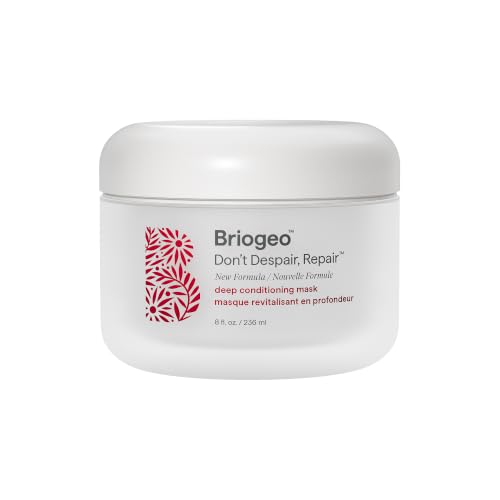
Briogeo Don't Despair, Repair! Deep Conditioning Mask
The straightforward weekly deep conditioner, built on oils and B-vitamins rather than a patented bond active. When hair is thirsty rather than structurally broken, this is the honest answer.
Best for low-porosity colored hair
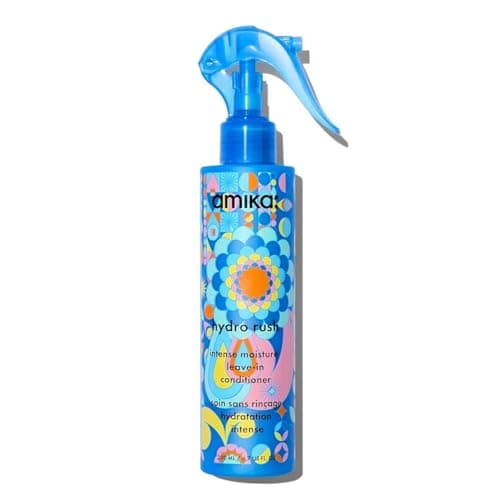
amika Hydro Rush Intense Moisture Hair Mask with Hyaluronic Acid
A humectant mask rather than an oil-and-butter one: hyaluronic and polyglutamic acid pull water into the strand instead of sitting on it. For low-porosity hair that nothing seems to penetrate, that is a different mechanism rather than a richer version of the same thing.
The drugstore leave-in for coils
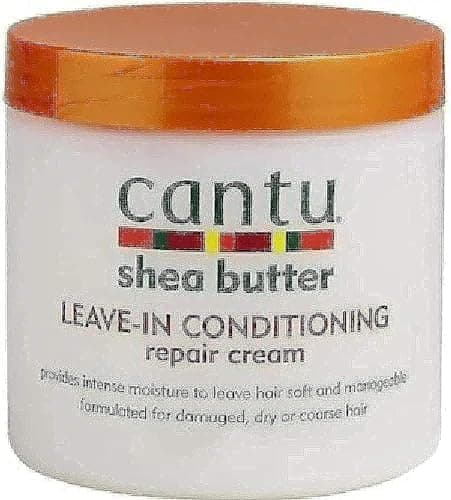
Cantu Shea Butter Leave-In Conditioning Repair Cream
The cheap leave-in that keeps turning up in real curly routines, and deservedly. Shea butter does the moisture work and the price means you can use enough of it.
Who should not bother
Most people, honestly. If your hair is medium or coarse, is not low-porosity, and you wash with a normal shampoo rather than a co-wash, the silicones you apply are coming off again on a reasonable schedule and they are earning their place by reducing breakage and frizz.
Two cases where cutting them out is actively the wrong move. If humidity is your main complaint, a hydrophobic film is the most effective thing available — the whole frizz-in-humidity shortlist leans on it. And if you heat-style, most heat protectants are silicone-based because the film is what spreads the heat; removing it to follow a rule you read online is a bad trade, as the heat protectant page sets out.
For this group there is a much cheaper answer than replacing your products: keep using them, and clarify every three or four weeks. One wash with a clarifying shampoo removes the accumulated film, and everything starts working again. The clarifying shortlist covers which one, and how often is too often.
What actually happens when you switch
Expect two to three weeks of your hair feeling worse before it feels better, and know why, because this is where most people quit and conclude silicone-free does not work.
Week one. Clarify first — otherwise you are putting silicone-free products on top of an existing silicone film and assessing nothing. Then hair usually feels rougher, tangles more and looks less shiny. All three are the absence of the film, not a new problem.
Weeks two and three. Detangling needs more patience: conditioner in the shower, wide-tooth comb from the ends upward, never a brush through wet knots. Hair that was getting its slip from a polymer now needs it from a conditioner, so expect to use more of one.
After that. If your hair has more volume, takes conditioner again and holds a style, the switch was right for you. If it is simply rougher and more frizz-prone with no upside, you were not in one of the three groups above — go back, and clarify monthly instead. Neither outcome is a failure; they are two different hair types getting the right answer.
Silicone-free is not the same as sulfate-free
These get bundled together on packaging and they are close to opposites. Sulfates are cleansers, in the shampoo, removed by rinsing; silicones are conditioning polymers, in almost everything else, removed by cleansing. Cutting sulfates makes silicone buildup more likely, because you have removed the thing that was taking the film off.
That interaction is the single most useful thing on this page. A sulfate-free shampoo plus silicone-heavy conditioners and leave-ins is the combination that produces coated, lifeless hair fastest — and it is extremely common, because both labels read as gentle. Pick one of the two restrictions and be consistent, or keep both and clarify monthly. The sulfate-free guide takes the other half of the trade-off, and sulfate-free vs color-safe covers the labeling confusion that sits behind both.
We have not used these products ourselves. They are chosen from what is in the formula, what those ingredients are documented to do, and whether that matches the problem this page is about — and every product below links to the manufacturer's own page so you can check the formulation claims yourself. The full method is here.