The actual difference, in one sentence each
A hair mask is a concentrated rinse-out treatment with a high proportion of conditioning agents and a long dwell time. Ten minutes of contact gives emollients and humectants time to work on and, in the case of the smallest molecules, slightly into the strand. It is the one step in an ordinary routine that measurably changes how dry hair behaves rather than how it looks.
A hair oil is a leave-on surface product. It lowers friction, lays the cuticle flat and slows water leaving the strand. Nothing in it goes anywhere, and nothing in it is meant to: the whole function is a thin occlusive layer on the outside of the hair.
So the question is not which is better. It is which problem you have. The hair chemistry literature frames conditioning as a combination of substantivity — how well an agent attaches to the strand — and lubrication of the cuticle surface, and a mask and an oil sit at opposite ends of that (hair care physicochemistry review, PMC). Dry hair is a substantivity problem. Dull, rough, frizzy hair is a lubrication problem.
Side by side
| | Hair mask | Hair oil |
|---|
| Where it works | On and slightly into the strand | On the surface only |
|---|
| Fixes | Dryness, roughness, brittleness | Dullness, frizz, rough ends, flyaways |
|---|
| Rinsed or left in | Rinsed out | Left in |
|---|
| Dwell time | 5 to 20 minutes | None — it stays on |
|---|
| How often | Once a week | Every day if you want |
|---|
| Effect lasts | Several days to a week | Until the next wash |
|---|
| Risk of overuse | Limp, over-conditioned hair | Greasy, weighed-down hair |
|---|
| Cost per use | Higher — you use a lot of it | Much lower — two drops |
|---|
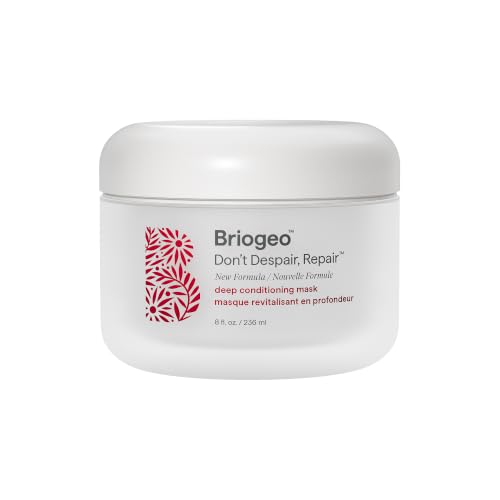
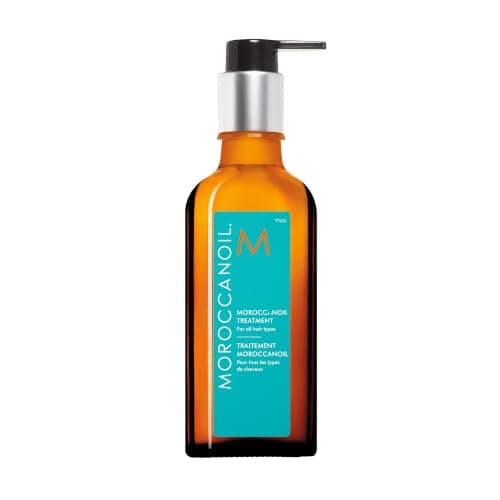
| Our pick | Briogeo Don't Despair, Repair! | Moroccanoil Treatment Original |
|---|
Buy the mask if
- Your hair feels dry rather than looks dull. Rough to the touch when clean and completely dry, with no product on it, is the test. That is a strand problem, and an oil will only mask it.
- It tangles more than it used to. Dry cuticles catch on each other.
- Your hair is colored, bleached or relaxed. Porous hair loses moisture faster, so it needs the step that puts moisture back. The narrower lists are deep conditioners for color-treated hair and masks for bleached hair.
- Conditioner is not holding. Soft on the day you wash, dry again by the next morning, means a two-minute conditioner is not enough contact time for your hair.
- You can only buy one thing. A mask changes the hair. An oil changes the appearance of the hair. The mask is the better single purchase.
The shortlist is best hair masks for dry, damaged hair, and how to use one matters more than which one you buy — most people apply a mask wrongly and conclude it did nothing.
Buy the oil if
- Your hair looks dull but feels fine. Pure surface problem. An oil is the direct, cheap answer and a mask is overkill.
- The ends are rough and the rest is fine. Oil goes exactly where the problem is, which a mask cannot do as precisely — best hair oil for dry ends.
- Frizz and flyaways are the complaint. A hydrophobic film is the most effective thing available against humidity.
- You already use a mask weekly. Then the oil is the finishing step that makes the mask visible, and it costs very little per use.
- You heat-style and want a buffer — though an oil is not a heat protectant, and the heat protectant page explains why that distinction matters.
Using both, in the right order
They are not alternatives for most people, they are consecutive steps, and the sequence is not interchangeable.
In the shower: shampoo the scalp, rinse, then mask on the mid-lengths and ends — never the roots. Leave it the full time on the bottle rather than the two minutes a conditioner needs, then rinse. Once a week is the right cadence for most hair; twice if it is bleached or very coarse.
Out of the shower: towel-blot, then leave-in if you use one, then two drops of oil pressed through the bottom third while the hair is still damp. Oil goes last, because its job is to seal whatever is underneath it.
Never oil before a mask. This is the one genuine mistake in the sequence. An oil layer is hydrophobic, so a water-based mask applied over it cannot reach the strand, and you have spent ten minutes conditioning a film. Pre-wash oiling is a real and useful tradition — but it goes before the shampoo, which then removes it, not before the mask. The full product order for a whole routine is in what order to apply hair products.
The two mistakes that make people pick wrong
Using an oil to solve dryness. It works for a day, which is the trap. Oil on dry hair feels like progress every single time you apply it and changes nothing underneath, so the hair is dry again within a day and the response is more oil. Six weeks later the hair is dry, coated and heavy. If you are reapplying oil daily and it never seems to hold, you needed the mask.
Using a mask to solve dullness. Less common and less costly, but a rich weekly mask on hair that is not dry produces soft, limp, shapeless hair with no more shine than it started with. On fine hair that shows up within two uses. If your hair has gone flat since you started masking, that is the signal — and if it has gone stiff and straw-like instead, read hair protein overload, because the mask was the wrong kind.
One more thing worth ruling out before you buy either. If both a mask and an oil have stopped making any difference, the hair is probably coated — with silicone, protein or hard-water minerals — and nothing new is reaching it. One clarifying wash resets that, and the clarifying shortlist covers how often is too often. For the neighboring comparisons, see conditioner vs hair mask and hair treatment vs conditioner.
We have not used these products ourselves. They are chosen from what is in the formula, what those ingredients are documented to do, and whether that matches the problem this page is about — and every product below links to the manufacturer's own page so you can check the formulation claims yourself. The full method is here.