Strand&Suds

Frizz & Curls · Our picks

The Best Hair Oil for Frizzy Hair

Moroccanoil Treatment Original is the pick for most frizz-prone hair: argan oil in a silicone base, which is the combination that actually resists humidity. If your hair is straight rather than curly, a lighter silicone serum does the job better and costs less.

By Janet H.Updated How we pick
#ad

We earn a commission if you buy through our links, at no extra cost to you. It never decides the ranking — the method is published · Affiliate disclosure

The short answer

Quick picks

#ProductBest forKey ingredientPrice
1
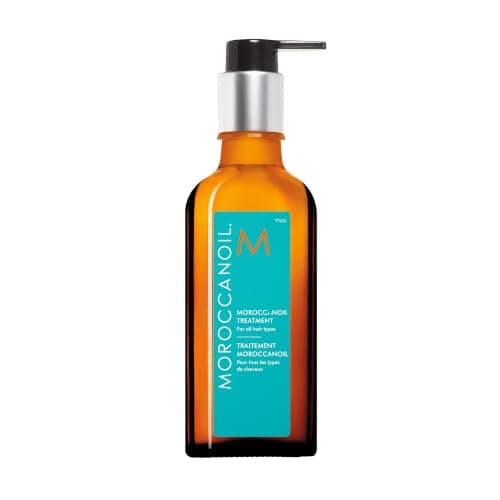
Moroccanoil Treatment Original

The silicone base is the reason it works on frizz rather than just on dullness — it spreads into an even film that damp air struggles to get through. Two or three drops on medium-to-thick hair.

Best overallArgan oil, an emollient that coats the cuticle and reduces the friction that causes frizz and breakage$50.00Amazon
2
John Frieda Frizz Ease Original Hair Serum

Frizz on straight hair is a cuticle problem with no curl pattern to work around, and a thin silicone serum flattens it in one pass. The cheapest effective answer on this page.

Best for straight hairArgan, coconut and moringa oils, which John Frieda states smooth and hydrate the strandCheck price · Amazon
3
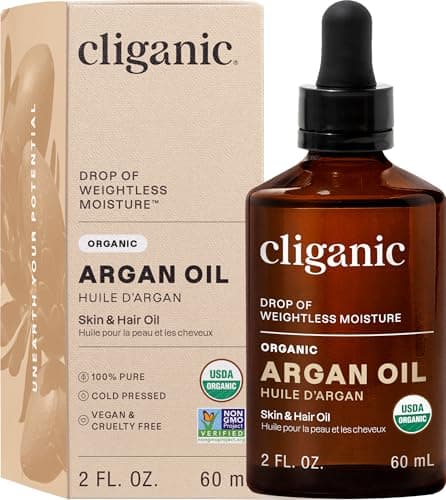
Cliganic Organic Argan Oil

One certified cold-pressed ingredient, for curly routines that exclude silicones. It smooths and adds shine; it will not fight humidity as hard as the blends.

Best silicone-freeArgania spinosa (argan) kernel oil, certified organic — the only ingredient on the label$9.98Amazon
4
Oribe Gold Lust Hair Oil

Absorbs faster than the other blends and claims heat protection, which matters if frizz is the aftermath of a blow-dry. Priced on the brand rather than the chemistry.

The luxury pickA blend of jasmine, edelweiss flower, lychee, sandalwood, cassis and argan extracts, which Oribe states penetrates the hair to condition, strengthen and smoothCheck price · Amazon

#ad · Prices come live from the retailer, last checked November 11, 2026; where we have no verified live price we show none. These picks are chosen from formulation research, not from testing them ourselves. Tap a row for the full write-up.

Why an oil helps frizz at all

Frizz is a cuticle problem with a moisture gradient behind it. When the outer scales of the strand are raised — from damage, from being naturally coarse, or from a curl pattern that lifts them — water vapor moves in and out freely. Hair swells unevenly, individual strands stop lying against their neighbors, and the result reads as frizz.

An oil intervenes in one specific way: it forms a film that lies over those raised scales, smooths them down and slows the exchange of water between the hair and the air. A dermatology review of hair cosmetics describes exactly that role for oils and conditioning agents, smoothing the cuticle and reducing the friction between strands that makes the surface rougher still (hair cosmetics overview, Int J Trichology).

Which means the oil is a surface treatment for a surface problem, and that is the honest ceiling on it. It will not change your hair's porosity or repair the damage that lifted the cuticle in the first place, and the reasons hair frizzes include several that no oil addresses.

How we picked these four

1. Sorted by hair type, not by price. Frizz on fine straight hair and frizz on coarse curls need different weights of product. The list runs across that range rather than ranking one bottle as universally best.

2. Silicones treated as a trade, not a sin. Silicone-based blends genuinely outperform pure plant oil against humidity, because they spread thinner and repel water better. They also build up and need clarifying. Both facts are on the cards.

3. One silicone-free option. Curly routines that exclude silicones are a real constraint rather than a preference, so there is a certified single-ingredient oil here for them.

4. No scores. Each pick carries an editorial role and a specific disqualifier instead.

We have not used these products ourselves. They are chosen from what is in the formula, what those ingredients are documented to do, and whether that matches the problem this page is about — and every product below links to the manufacturer's own page so you can check the formulation claims yourself. The full method is here.

Matched to your hair

Your hairThe pickSilicone?Dose
Medium to thick, wavy or curlyMoroccanoil Treatment OriginalYesTwo or three drops on damp lengths
Straight or barely wavyJohn Frieda Frizz Ease Original SerumYesA few drops through the lengths
Curly, on a silicone-free routineCliganic Organic Argan OilNoTwo to four drops, damp hair
Dry and frizzy after heat stylingOribe Gold Lust Hair OilYesTwo drops, or before the blow-dry
Fine hair of any patternStart with the lightest, half the doseEitherOne drop, ends only

Fine hair is the case most often got wrong here, and the fine-hair oil shortlist handles it properly rather than telling you to use less of something too heavy.

The humidity problem, which is where oils earn their place

Humidity frizz has a different cause from everyday frizz. In damp air, hair takes up water vapor, swells, and the hydrogen bonds that were holding your style reshuffle. Any humectant in your products — glycerin above all — pulls that moisture in faster.

An oil film works against this because it is hydrophobic, and a silicone film works better than a plant-oil film because it is thinner and more even. That is the whole reason two of the four picks here have a silicone base, and why the humidity shortlist leans the same way.

The practical rule on a humid day: less humectant, more seal, and nothing wet left in the hair when you walk out. An oil over a fully dry style resists more than an oil over a damp one.

If your hair is curly, read this before you buy an oil

For curls, an oil is rarely the first product to add. The American Academy of Dermatology's curly hair guidance centers on gentle washing, conditioning and minimizing heat and tension (AAD, curly hair tips from dermatologists), and in product terms the order that works is a leave-in for water and slip, then a cream or gel to set the pattern, and only then an oil to seal the result.

Put the oil on first and you have sealed dry hair, which is the most common way a curly routine stalls. The curly leave-in picks are the step that should come before this page, and curl cream vs gel covers the hold step in between.

The silicone question is real for curls. A silicone-free routine makes sense if you are avoiding buildup without clarifying; if you are willing to clarify monthly, the blends do more against frizz. The silicone-free guide lays out what you gain and give up either way.

Dose and timing, which decide the result

  • Two to four drops. Warmed between your palms. Nearly every complaint that an oil made hair greasy is a dose problem.
  • Damp hair for the smoothest finish. Oil spreads evenly on wet hair and lands in patches on dry hair. The exception is one drop on dry flyaways at the end of the day.
  • Bottom two-thirds only. Frizz happens along the lengths; grease happens at the roots.
  • After your leave-in, not instead of it. Oil and leave-in do different jobs, and the order is not optional.
  • Clarify monthly on the silicone picks. A clarifying wash is what keeps a blend from gradually stopping work.

If frizz is accompanied by hair that snaps or feels rough rather than just unruly, the oil is treating the symptom. A weekly mask for frizz and the wider argan oil comparison are the two pages to read next.
In detail

The picks, in full

1Best overall

Moroccanoil Treatment Original

The silicone base is the reason it works on frizz rather than just on dullness — it spreads into an even film that damp air struggles to get through. Two or three drops on medium-to-thick hair.

Who it suits: Medium to thick hair that needs shine and frizz control on dry or damp lengths

What is doing the work

  • Argan oil, an emollient that coats the cuticle and reduces the friction that causes frizz and breakage
  • A silicone base that gives the immediate slip and shine — which is also why it needs clarifying occasionally

What works

  • Two or three drops is genuinely enough, so a bottle lasts
  • Cuts blow-dry time noticeably on thick hair
  • Works on damp or dry hair, so it doubles as a finishing product

What to note

  • Silicone-based, so it builds up without periodic clarifying
  • Overdo it on fine hair and you get greasy rather than glossy

Skip it if your hair is fine and goes greasy by day two — a lighter serum, used only on the ends, is the safer choice.

Moroccanoil Treatment Original
$50.00View on Amazon

#ad · Price as of November 11, 2026 · Affiliate disclosure for the link to Treatment Original

2Best for straight hair

John Frieda Frizz Ease Original Hair Serum

Frizz on straight hair is a cuticle problem with no curl pattern to work around, and a thin silicone serum flattens it in one pass. The cheapest effective answer on this page.

Who it suits: Straight or barely wavy hair that frizzes rather than curls

What is doing the work

  • Argan, coconut and moringa oils, which John Frieda states smooth and hydrate the strand
  • Silicone serum base that lies flat on the cuticle and resists humidity

What works

  • Works immediately and visibly on straight hair
  • Also acts as heat protection per the manufacturer
  • A small bottle lasts a long time

What to note

  • Silicone-heavy, so it needs clarifying every few weeks
  • Too much and hair looks greasy rather than sleek

Skip it if you follow a silicone-free curly routine — this is exactly the kind of product that routine excludes.

John FriedaNo product photograph available for the John Frieda Frizz Ease Original Hair Serum
Check price on Amazon

#ad · Price shown on Amazon · Affiliate disclosure for the link to Frizz Ease Original Hair Serum

3Best silicone-free

Cliganic Organic Argan Oil

One certified cold-pressed ingredient, for curly routines that exclude silicones. It smooths and adds shine; it will not fight humidity as hard as the blends.

Who it suits: Dry, dull or frizzy mid-lengths and ends that need smoothing today, not a treatment

What is doing the work

  • Argania spinosa (argan) kernel oil, certified organic — the only ingredient on the label
  • 100% pure, organic and cold-pressed, with USDA Organic, Non-GMO and EWG Verified certification, per the manufacturer
  • Dominated by oleic and linoleic acid, which is why it stays on the surface as an emollient film rather than entering the shaft

What works

  • Light enough to use on damp hair daily without weighing down medium or fine lengths
  • One ingredient and no added fragrance, which is rare in the finishing-oil aisle
  • The manufacturer's own instruction is two to four drops, which is the correct dose and the thing most people get wrong

What to note

  • A surface oil — it will not reduce protein loss or repair anything structural
  • The larger sizes ship without a dropper, so over-pouring is easy
  • Argan oil is among the most commonly adulterated oils in the category, so buy on certification rather than on price

Skip it if what you actually want is a treatment for bleach damage — an oil is the wrong category entirely, and a bond treatment or a protein mask is the right one.

Cliganic Organic Argan Oil
$9.98View on Amazon

#ad · Price as of November 11, 2026 · Affiliate disclosure for the link to Organic Argan Oil

4The luxury pick

Oribe Gold Lust Hair Oil

Absorbs faster than the other blends and claims heat protection, which matters if frizz is the aftermath of a blow-dry. Priced on the brand rather than the chemistry.

Who it suits: Dry, damaged or color-treated mid-lengths and ends that go dull and rough by the end of the day

What is doing the work

  • A blend of jasmine, edelweiss flower, lychee, sandalwood, cassis and argan extracts, which Oribe states penetrates the hair to condition, strengthen and smooth
  • Claimed by the manufacturer to provide heat protection and to reduce drying time
  • Light-bodied enough that the brand positions it for use without weighing hair down

What works

  • Absorbs quickly and does not leave the greasy film a heavier oil does
  • Doubles as a pre-blow-dry step, which is where the dry-time claim earns its place
  • Two drops is a full application, so a bottle lasts a long time

What to note

  • Expensive for what is, in formulation terms, a plant-oil and silicone finishing blend
  • The heat-protection claim carries no stated temperature, unlike the brand's Supershine cream
  • Strong signature fragrance again

Skip it if you want an oil you can read off the label in one line — a pure argan or jojoba oil costs a fraction of this and does the same surface job.

OribeNo product photograph available for the Oribe Gold Lust Hair Oil
Check price on Amazon

#ad · Price shown on Amazon · Affiliate disclosure for the link to Gold Lust Hair Oil

How we picked

Products we have personally tested: none

Most hair care roundups are written in a "we tested these" voice. We have not, and saying so is the point. These picks are chosen the way an informed shopper would choose them: read what is actually in the formula, check what those ingredients are documented to do, match that against the specific problem the page is about, and confirm the product is still being sold.

Each pick gets a role — the drugstore option, the one for high porosity, the gentlest of the set — rather than a score out of ten, because a score would imply a measurement nobody took. Nobody pays for inclusion or placement, and when the cheap product is the right answer we say that too. The full method is on one page.

Questions

Frequently asked

What is the best hair oil for frizzy hair?
Moroccanoil Treatment Original for medium-to-thick wavy or curly hair, because the silicone base resists humidity better than pure plant oil. For straight hair that frizzes, John Frieda Frizz Ease Original Serum does the same job more lightly and costs far less.
Does hair oil stop frizz in humidity?
It reduces it. An oil film is hydrophobic, so it slows water vapor moving into the strand, and silicone-based blends do that better than plant oils. No oil stops humidity frizz entirely, and humectants like glycerin in your other products work against you on damp days.
Should I put oil on wet or dry hair for frizz?
Damp, for an even film and the smoothest finish. Keep one drop back for dry flyaways later. Oil applied to bone-dry hair lands in patches and tends to look greasy where it does land.
Is argan oil or Moroccanoil better for frizzy hair?
Moroccanoil against humidity, because of the silicone; pure argan oil if you follow a silicone-free routine or want one ingredient at a fraction of the price. Both smooth the cuticle — the blend simply spreads thinner and repels water better.
Can hair oil make frizz worse?
Yes, in two ways. Too much weighs hair down and separates it into greasy strands, and oil applied to dry, thirsty hair seals the dryness in. Use two to four drops on damp hair, over a leave-in rather than instead of one.

Next

Receipts

Sources

  1. 1.Gavazzoni Dias MF — Hair cosmetics: an overview (Int J Trichology, 2015, PMC)
  2. 2.American Academy of Dermatology — 6 curly hair tips from dermatologists
  3. 3.True porosity measurement of hair: a new way to study hair damage mechanisms (PubMed)
  4. 4.American Academy of Dermatology — Everyday hair care

Claims about what an ingredient does are cited to dermatology bodies or published research. Claims about what a product contains are cited to the manufacturer's own page and labeled as the manufacturer's claim. Where the evidence is thin, we say so on the page rather than rounding it up. Read the full method.