What protein overload actually is
Hair is mostly keratin, which is a protein, so the idea that you could have too much of it sounds wrong at first. The distinction is where the protein sits.
The keratin inside your strand is structural, built by the follicle and arranged in a way no bottle reproduces. The protein in a hair product is hydrolyzed — broken into fragments small enough to adhere to the strand or, in the smallest cases, slip a little way into it. Those fragments stiffen the hair and temporarily patch gaps in a damaged cuticle, which is why protein genuinely helps hair that has been bleached or relaxed.
What they do not do is become part of the structure. Layer enough of them onto hair that did not have gaps to fill and you get a rigid film with nothing flexible underneath. The hair stops bending. And because stiff hair also resists taking water in, the result feels exactly like dryness — which is why the usual response is to add a protein-containing repair mask and make it worse.
The underlying balance here is well described in the hair chemistry literature as a relationship between protein and water content in the strand rather than a more-is-better axis (hair care physicochemistry review, PMC).
The symptoms, and which ones matter
The telling ones, in order of diagnostic value:
- It snaps instead of stretching. A wet strand pulled gently should give a little. Protein-loaded hair breaks almost immediately with no stretch at all. This is the strongest single sign.
- It feels straw-like or coated when dry — rough in a stiff way rather than a fluffy way.
- It is dull. A rigid cuticle film scatters light instead of reflecting it.
- Conditioner stopped working. You use more, leave it longer, and nothing changes, because there is a film in the way.
- Curls lost their shape. Curl needs the strand to bend. Stiff hair drops into a limp, undefined wave — the reason it is worth reading alongside why curls fall flat.
- It tangles more, not less. Rough surfaces catch on each other.
- Short broken pieces, mid-length. Breakage along the body of the strand rather than frayed ends.
What is not protein overload: ordinary dry, fluffy, frizzy hair that is soft to the touch and stretches when wet. That is a moisture problem, and the dry-hair shortlist is the right starting point for it.
The wet-strand test, which takes one minute
Take a shed hair — from the brush, not off your head — and wet it. Hold it between both hands and pull gently.
It stretches, then springs back: the balance is fine. Whatever is bothering you is something else.
It stretches a long way and stays stretched, or feels gummy and limp: too little protein and too much moisture. This is the opposite problem, and it happens most on hair that has been deep conditioned heavily with no protein at all. The answer is a protein-containing treatment, not a moisture mask.
It snaps almost immediately with no give: protein overload, or structural damage, or both. If your hair has been bleached, the damage is real and protein is part of the answer rather than the problem — the two look alike and the history is what tells them apart.
Do it on three or four strands from different parts of your head. Ends behave differently from roots, and porosity affects how all of this reads — if you have not checked, the porosity test is the companion diagnostic.
From the picks
What to reach for during a reset
A mask whose maker states it is formulated without protein, a humectant-led moisture mask, a rich emollient mask, and a cheap clarifier to take the existing film off first. One mask and the clarifier is enough — this is a list to choose from, not a list to buy.
Best deep conditioner for colored hair
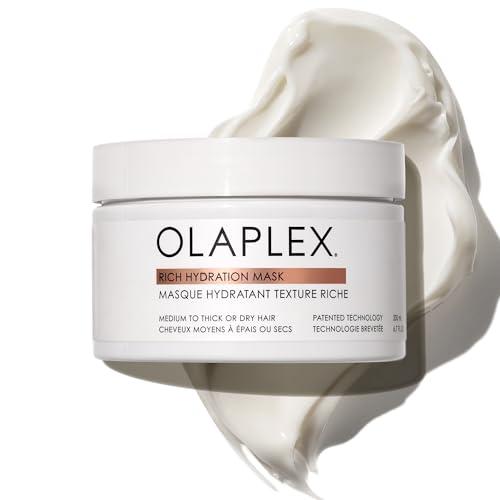
Olaplex Rich Hydration Mask
A rinse-out mask that pairs Olaplex's bond chemistry with heavy moisture, and — unusually for a repair brand — is formulated without protein. On colored hair that has already had protein treatments, that absence is the reason to pick it.
Best for low-porosity colored hair
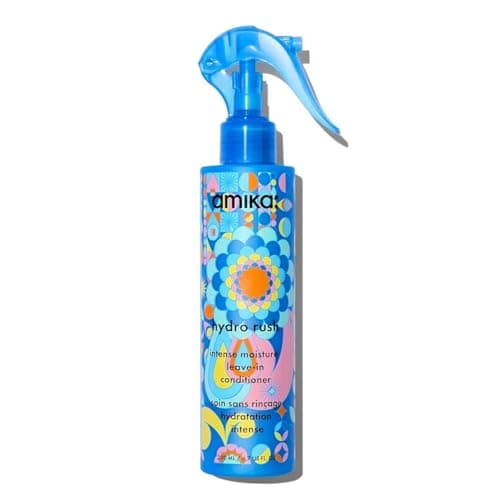
amika Hydro Rush Intense Moisture Hair Mask with Hyaluronic Acid
A humectant mask rather than an oil-and-butter one: hyaluronic and polyglutamic acid pull water into the strand instead of sitting on it. For low-porosity hair that nothing seems to penetrate, that is a different mechanism rather than a richer version of the same thing.
Best weekly mask
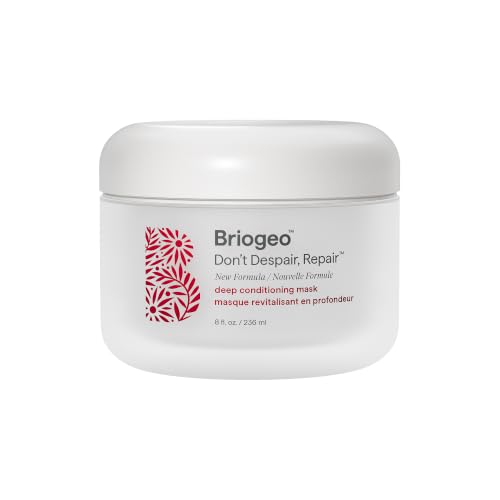
Briogeo Don't Despair, Repair! Deep Conditioning Mask
The straightforward weekly deep conditioner, built on oils and B-vitamins rather than a patented bond active. When hair is thirsty rather than structurally broken, this is the honest answer.
Best value clarifier
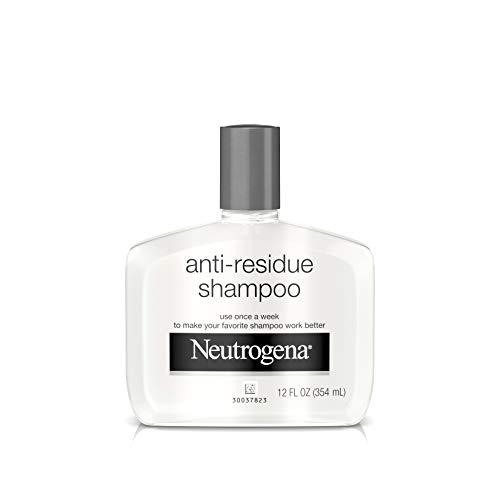
Neutrogena Anti-Residue Shampoo
The clarifying shampoo almost every stylist names, and it costs very little. Neutrogena states it removes up to 90% of dulling residue, and the instruction that matters is once a week, not daily.
What causes it, and the products most often behind it
Almost always a stack of products that all contain protein, used together without anyone noticing, because the word on the front is usually something else: repair, strengthening, fortifying, anti-breakage, keratin, collagen, amino acids, rice or wheat or soy protein, silk or quinoa protein.
The typical stack is a repair shampoo, a repair conditioner, a strengthening leave-in and a weekly repair mask. Each is reasonable alone. Four at once is four protein doses a week on hair that may need none.
Who ends up here most often:
- People with coarse, strong hair who bought strengthening products because their hair felt rough — covered in the coarse hair page.
- Low-porosity hair, where the cuticle lies flat and nothing penetrates, so everything stays on the surface and accumulates — the low-porosity shortlist is built around that.
- Curly routines with several leave-on products layered daily.
- Anyone mid-way through fixing bleach damage who kept using protein after the damage was addressed. Protein is a treatment with an endpoint, not a maintenance product.
The fix, step by step — about two weeks
1. Read your labels and stop every protein product. All of them, at once. Not reduce — stop. You cannot assess anything while they are still going on.
2. Clarify once. One wash with a clarifying shampoo to take the existing film off. This is the step people skip, and without it the moisture you add next sits on top of the problem — the clarifying shortlist covers the options. Follow it immediately with step three.
3. Moisture mask, twice in the first week. A rich, protein-free mask on the lengths and ends, left on the full time — how to use one properly. Then once a week after that.
4. Add an oil or a light leave-in on damp ends to hold the moisture in. Not a repair leave-in.
5. Handle it gently for a fortnight. Stiff hair breaks, so no heat, no tight styles, wide-tooth comb from the ends upward. The AAD's healthy hair guidance covers the handling side (AAD, tips for healthy hair).
6. Retest the wet strand after two weeks. If it stretches, you were right and you are done. Reintroduce protein at most every two to four weeks, and only if your hair is chemically processed.
If two weeks of moisture changes nothing, protein overload was the wrong diagnosis. The two most likely alternatives are mineral buildup from hard water, which moisture cannot shift — what hard water does — and real structural damage, which needs bond repair rather than either.
Is protein overload actually real?
A fair question, because the term comes from the curly hair community rather than from cosmetic science, and it gets blamed for a great deal it is not responsible for.
The honest position: the underlying mechanism is real and uncontroversial — hydrolyzed protein adheres to the strand, it stiffens it, and more of it on hair that cannot bond with it produces a rigid coating. The idea that hair has a fixed protein-moisture ratio you can read off like a gauge is not how any of this works, and advice built on that framing tends to be over-confident.
Which is why the test matters more than the label. A wet strand that snaps with no stretch is an observation. "Protein overload" is just a convenient name for what you then do about it: stop adding protein, take the film off, put moisture back, and handle it gently while it recovers.
We have not used these products ourselves. They are chosen from what is in the formula, what those ingredients are documented to do, and whether that matches the problem this page is about — and every product below links to the manufacturer's own page so you can check the formulation claims yourself. The full method is here.