Strand&Suds

Dry & Damaged Hair · Our picks

The Best Bonding Oil for Damaged Hair

"Bonding oil" is mostly a naming convention. Two of the five below carry a repair active and a strengthening claim; the rest are excellent finishing oils that smooth and shine. K18's is the pick if you want the chemistry, Olaplex Nº.7 if you want heat protection and shine.

By Janet H.Updated How we pick
#ad

We earn a commission if you buy through our links, at no extra cost to you. It never decides the ranking — the method is published · Affiliate disclosure

The short answer

Quick picks

#ProductBest forKey ingredientPrice
1
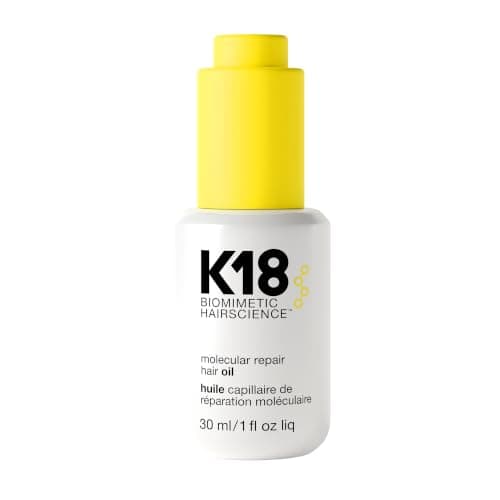
K18 Molecular Repair Hair Oil

The one oil here that both carries the brand's repair peptide and leaves the silicones out. The catch is a real one: K18 asks for a four-minute wait on towel-dried hair to get the strengthening benefit.

Best overall, and the only silicone-free onesh-Oligopeptide-78 (K18PEPTIDE), which the brand states repairs and strengthens damage at the innermost layer of the fiber$65.00Amazon
2
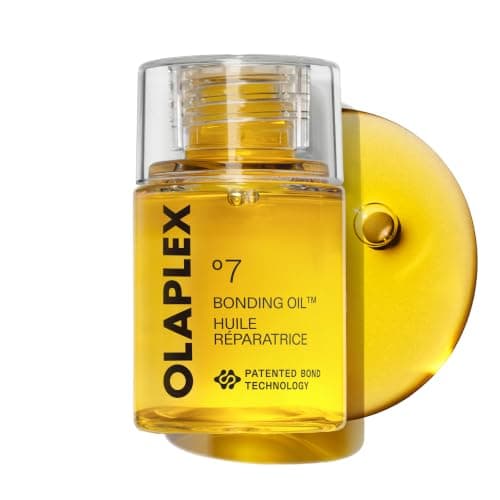
Olaplex Nº.7 Bonding Oil

Heat protection stated to 450°F, a metered dropper, and the best shine of the five. Read the label honestly though: Olaplex highlights emollients here and lists the formula as protein-free.

Best for shine and heat protectionA coconut-derived emollient with vitamin E and sunflower seed oil, which is the blend the brand names on the product page$32.00Amazon
3
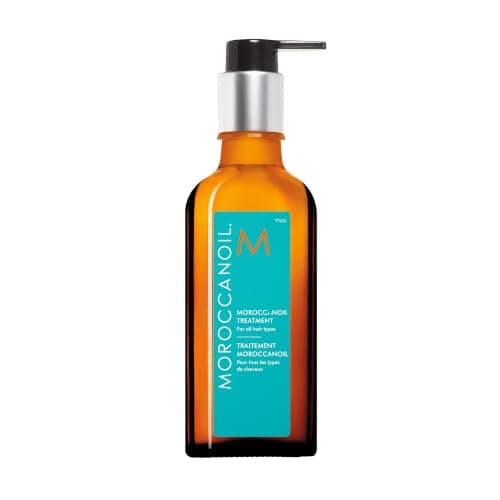
Moroccanoil Treatment Original

No repair claim at all, and still the one that holds up best in damp air, because a silicone film is thinner and more water-repellent than anything else on this page.

Best against humidityArgan oil, an emollient that coats the cuticle and reduces the friction that causes frizz and breakage$50.00Amazon
4
Oribe Gold Lust Hair Oil

Absorbs faster than the other blends and claims heat protection. Priced on the brand rather than the chemistry, which is the honest summary of it.

The luxury finishA blend of jasmine, edelweiss flower, lychee, sandalwood, cassis and argan extracts, which Oribe states penetrates the hair to condition, strengthen and smoothCheck price · Amazon
5
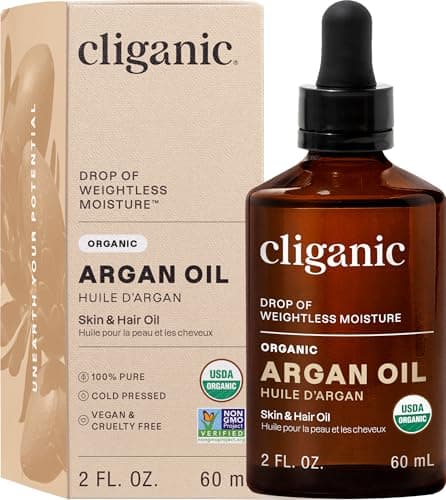
Cliganic Organic Argan Oil

One certified cold-pressed ingredient. It will not strengthen anything, and for visible shine and softness on dry ends it does most of what the expensive bottles do.

The honest cheap optionArgania spinosa (argan) kernel oil, certified organic — the only ingredient on the label$9.98Amazon

#ad · Prices come live from the retailer, last checked November 11, 2026; where we have no verified live price we show none. These picks are chosen from formulation research, not from testing them ourselves. Tap a row for the full write-up.

What a "bonding oil" actually is

Start with the uncomfortable part, because it saves money. An oil is a surface treatment. It sits on the outside of the strand, flattens the cuticle, reduces the friction between hairs and slows water leaving the fiber. A dermatology review of hair cosmetics describes exactly that role for oils and conditioning agents and no more than that (hair cosmetics overview, Int J Trichology).

Bond damage, by contrast, is internal. Studies of bleached hair using electron microscopy describe cuticle cells separating and breaking and significant loss of the lipids that protect the fiber (bleaching microstructure study, PMC). Reaching that needs contact time and chemistry, which is what the treatments in this category are for — and bond repair treatments explained covers how the two main approaches work.

So what is a bonding oil? In practice, three different things wearing one name:

  • An oil with the brand's repair active in it, asking for a short wait so the active has contact time. The K18 oil is this, and it is the only one here that is.
  • An emollient-and-silicone finishing oil with a breakage-reduction claim. Olaplex Nº.7 is the clearest example, and the brand is not hiding it: its own product page highlights a coconut-derived emollient, vitamin E and sunflower seed oil, lists the formula as protein-free, and the shine comes from dimethicone and phenyl trimethicone (Olaplex, Nº.7 product page). The breakage claim is real and measured by the brand; it is not the same mechanism as Nº.3.
  • A plain finishing oil with no repair claim, which is most of the category and includes two of the picks below. Fewer claims, often better value.

None of that makes the category pointless. Reducing breakage by reducing friction is genuinely useful, and on bleached hair it is the difference between keeping length and losing it. It just means the honest hierarchy is: treatment first, oil second, and the word "bonding" on a bottle is not a shortcut past that.

How we picked these five

1. Sorted by what is in them, not by the claim on the front. The two picks with a repair active are at the top; the three excellent finishing oils that make no such claim follow. Both groups are worth buying, for different reasons.

2. Silicone treated as a trade, not a sin. A silicone film spreads thinner and repels water better than a plant oil, which is why the silicone blends win on humidity. They also build up and need clarifying. Both facts are on every card, and the silicone-free guide sets out what you gain and give up.

3. One silicone-free option with real chemistry, one with none. Curly and low-buildup routines exclude silicones as a genuine constraint rather than a preference, so there is a premium silicone-free pick and a single-ingredient cheap one.

4. Heat protection stated or not stated, never assumed. Three of the five state a temperature; the plant oils do not, and we have not invented one for them. If you flat-iron, that difference is the whole decision.

5. No scores. There is no testing panel behind this site, so each pick carries an editorial role and a specific disqualifier instead of a number.

We have not used these products ourselves. They are chosen from what is in the formula, what those ingredients are documented to do, and whether that matches the problem this page is about — and every product below links to the manufacturer's own page so you can check the formulation claims yourself. The full method is here.

The two camps, side by side

OilRepair active?Silicone?Heat protectionBest at
K18 Molecular Repair Hair OilYes — the brand's peptideNoStated to 450°F / 232°CDamaged lengths, silicone-free routines
Olaplex Nº.7 Bonding OilStrengthening claim; formula listed protein-freeYesStated to 450°F / 232°CShine, frizz, heat styling
Moroccanoil Treatment OriginalNoYesNot statedHumidity resistance
Oribe Gold Lust Hair OilNoYesClaimed by the brandFast absorption, luxury finish
Cliganic Organic Argan OilNoNoNot statedValue, one certified ingredient

Read down the "repair active" column and the category sorts itself. If that column is what you are shopping for, the list is two items long. If what you want is shine, frizz control and softer ends, all five do it and the cheapest one does most of it — whether an expensive hair oil is worth it works that comparison through with the dose math.

K18 oil vs Olaplex Nº.7, which is the actual question

These two get compared more than anything else in the category, and they are genuinely different products rather than two versions of one.

Mechanism. K18 states its oil carries sh-Oligopeptide-78, the same peptide as its mask, and repairs and strengthens at the innermost layer of the fiber. Olaplex describes Nº.7 as a weightless styling oil that strengthens to reduce breakage, reports a 77% reduction in breakage and 125% more shine against untreated bleached hair, and names emollients rather than the bond active as the formula's highlight. One is a treatment in oil form; the other is a styling oil that reduces breakage. Both claims are the manufacturers' own.

Silicone. K18's is silicone-free per the brand. Olaplex Nº.7 is silicone-based. This decides it for anyone on a curly or low-buildup routine, and it also decides which one wins in damp air — the silicone one does.

Routine cost. K18 asks for four minutes on towel-dried hair before styling to get the strengthening benefit. That is a step, not a flourish, and if you are not going to do it you are paying a premium for an oil you are using as a finisher. Olaplex Nº.7 has no wait and a metered dropper, which makes it the easier one to actually use every day.

So: K18 if your hair is damaged, you avoid silicones, and you will do the four minutes. Olaplex Nº.7 if you heat-style, want shine and frizz control in one step, and would rather not add a waiting period to your morning. Neither if your hair is simply dry — the dry-hair oil shortlist is the right page for that, and the shampoo comparison covers the same two brands at the wash step.

If your hair is fine

"K18 oil vs Olaplex oil for fine hair" is one of the most specific ways people arrive at this question, and the answer is mostly about dose rather than brand.

Fine hair has almost no tolerance for oil, and every complaint that an oil made hair greasy or limp is a dose problem first. One drop. Warmed between the palms. Bottom third only, never the roots. At that dose both of these work on fine hair, and the K18 is slightly easier to get away with because it has no silicone to layer up and because squalane and hemisqualane give a drier finish.

That said, fine hair is also the case where the premium is hardest to justify, because you are using a fraction of the bottle per application and the visible result on fine hair is mostly shine. The fine-hair oil shortlist handles this properly rather than telling you to use less of something too heavy, and shampoos for fine hair matters more for this hair type than the oil does.

Reading the brands' numbers without being misled by them

Every oil in the premium half of this category comes with percentages, and they are the main reason people pay the premium. They are worth taking seriously and worth reading carefully, because the number is usually true and the thing it is measuring is usually narrower than it sounds.

Check what the comparison group is. Olaplex reports 125% more shine for Nº.7 — against bleached hair with no oil on it. That is a real measurement and also the easiest possible comparison, because almost any oil beats nothing on bleached hair. It does not tell you how it compares to a cheap argan oil, which is the comparison you are actually making in the shop.

Check whether anyone measured, or whether people were asked. A clinical or instrumental measurement of breakage is a different kind of evidence from a consumer perception study where users report what they think they noticed. Both appear in this category, often on the same page, and the footnotes are where the difference lives.

Check what the claim is about. "Reduces breakage" and "repairs bonds" are not the same sentence. An oil that cuts the friction between strands genuinely reduces breakage without touching a single disulfide bond — that is a legitimate benefit described accurately, and it is most of what this category delivers.

Check the duration. A 72-hour frizz claim means 72 hours under the test conditions, which generally do not include a workout, a humid commute or a night on a cotton pillowcase.

None of this is a reason to distrust the brands here — Olaplex and K18 both publish more detail than most of the category, which is to their credit. It is a reason to buy the product for the mechanism rather than the percentage, which is what the table above is for. The same reading applies to growth serum claims, where the gap between the number and the thing it measures is wider still.

Dose, timing and heat

  • One to three drops, warmed between your palms. Every one of these is concentrated and K18 says so explicitly. Start low — you can always add another drop, and you cannot take one out.
  • Damp hair for the smoothest finish, dry hair for shine. Oil spreads evenly on wet hair and lands in patches on dry hair. Keep a drop back for flyaways at the end of the day.
  • Bottom two-thirds only. Damage happens along the lengths; grease happens at the roots. Nothing on this page belongs on your scalp — if a dry scalp is the complaint, scalp oils are a different product category.
  • If you flat-iron, use one of the three with a stated temperature. A plant oil with no heat claim is not a heat protectant, and whether you need a heat protectant is worth reading before you rely on an oil for it.
  • After your leave-in, not instead of it. Oil and leave-in do different jobs, and oil applied to thirsty hair seals the dryness in.
  • Clarify monthly on the silicone picks. A clarifying wash is what stops a silicone blend from gradually sealing your conditioner out.

When to buy a cheap oil instead

Three situations, and they cover most readers.

Your hair is dry, not damaged. If you have never bleached, colored, relaxed or permed, there are no broken bonds to address and you are paying for chemistry that has nothing to work on. A single cold-pressed plant oil does the smoothing and the shine — the natural oil shortlist compares them, and coconut oil vs argan oil settles which one your hair wants.

You can only afford one premium product. Then it should not be the oil. An oil has a thin film and a surface job; a treatment or a mask has minutes of contact time and reaches the inside of the strand. Buy Nº.3 or the K18 mask and finish with a cheap argan oil — that combination outperforms a premium oil used alone, and the mask shortlist has options at every price.

Your real problem is further up the routine. If your hair is breaking, the shampoo and the detangling technique usually matter more than the finishing step — shampoos for damaged hair and the split-ends shortlist are honest about which products delay the next trim and which only make things feel softer. An oil is the last 10% of the result, and it is a genuinely nice 10% — just not the place to start.
In detail

The picks, in full

1Best overall, and the only silicone-free one

K18 Molecular Repair Hair Oil

The one oil here that both carries the brand's repair peptide and leaves the silicones out. The catch is a real one: K18 asks for a four-minute wait on towel-dried hair to get the strengthening benefit.

Who it suits: Damaged or bleached lengths on anyone who avoids silicones, including curly routines

What is doing the work

  • sh-Oligopeptide-78 (K18PEPTIDE), which the brand states repairs and strengthens damage at the innermost layer of the fiber
  • Avocado and sunflower oils as the emollient base, with squalane and hemisqualane for a dry, weightless finish
  • Silicone-free per the manufacturer, which is unusual for a frizz-control oil

What works

  • Silicone-free, so it fits a curly or low-buildup routine that the silicone blends do not
  • Heat protection stated to 450°F / 232°C
  • Highly concentrated — one to three drops, so a small bottle lasts

What to note

  • The most expensive oil per milliliter of anything on this site
  • The repair claim depends on a four-minute wait on towel-dried hair before styling, which is a real step rather than a finishing flourish
  • Without silicone it will not resist humidity as hard as a silicone-based blend

Skip it if your hair is simply dry rather than damaged — a plain plant oil does the smoothing and shine for a fraction of the price, and the peptide is what you are paying for here.

K18 Molecular Repair Hair Oil
$65.00View on Amazon

#ad · Price as of November 11, 2026 · Affiliate disclosure for the link to Molecular Repair Hair Oil

2Best for shine and heat protection

Olaplex Nº.7 Bonding Oil

Heat protection stated to 450°F, a metered dropper, and the best shine of the five. Read the label honestly though: Olaplex highlights emollients here and lists the formula as protein-free.

Who it suits: Colored or heat-styled hair that needs shine, frizz control and heat protection in one step

What is doing the work

  • A coconut-derived emollient with vitamin E and sunflower seed oil, which is the blend the brand names on the product page
  • Dimethicone and phenyl trimethicone — the silicones that do the shine and the humidity resistance
  • Listed by the maker as free of sulfates, phthalates, parabens and protein, and as color-safe

What works

  • Heat protection stated to 450°F / 232°C, so it replaces a separate heat protectant
  • The brand reports 125% more shine against untreated bleached hair and 72-hour frizz and humidity control
  • Metered dropper, which makes it genuinely hard to overdose

What to note

  • Silicone-based, so it builds up and needs a clarifying wash roughly monthly
  • The bond chemistry that made the brand's name lives in Nº.3 and Nº.4 — the brand's own highlight for this bottle is emollients, and it is labeled protein-free
  • Does nothing for dryness at the root or the scalp

Skip it if you are buying it expecting the repair you would get from Nº.3 — this is a styling oil with a breakage claim, and the treatment is a different product.

Olaplex Nº.7 Bonding Oil
$32.00View on Amazon

#ad · Price as of November 11, 2026 · Affiliate disclosure for the link to Nº.7 Bonding Oil

3Best against humidity

Moroccanoil Treatment Original

No repair claim at all, and still the one that holds up best in damp air, because a silicone film is thinner and more water-repellent than anything else on this page.

Who it suits: Medium to thick hair that needs shine and frizz control on dry or damp lengths

What is doing the work

  • Argan oil, an emollient that coats the cuticle and reduces the friction that causes frizz and breakage
  • A silicone base that gives the immediate slip and shine — which is also why it needs clarifying occasionally

What works

  • Two or three drops is genuinely enough, so a bottle lasts
  • Cuts blow-dry time noticeably on thick hair
  • Works on damp or dry hair, so it doubles as a finishing product

What to note

  • Silicone-based, so it builds up without periodic clarifying
  • Overdo it on fine hair and you get greasy rather than glossy

Skip it if your hair is fine and goes greasy by day two — a lighter serum, used only on the ends, is the safer choice.

Moroccanoil Treatment Original
$50.00View on Amazon

#ad · Price as of November 11, 2026 · Affiliate disclosure for the link to Treatment Original

4The luxury finish

Oribe Gold Lust Hair Oil

Absorbs faster than the other blends and claims heat protection. Priced on the brand rather than the chemistry, which is the honest summary of it.

Who it suits: Dry, damaged or color-treated mid-lengths and ends that go dull and rough by the end of the day

What is doing the work

  • A blend of jasmine, edelweiss flower, lychee, sandalwood, cassis and argan extracts, which Oribe states penetrates the hair to condition, strengthen and smooth
  • Claimed by the manufacturer to provide heat protection and to reduce drying time
  • Light-bodied enough that the brand positions it for use without weighing hair down

What works

  • Absorbs quickly and does not leave the greasy film a heavier oil does
  • Doubles as a pre-blow-dry step, which is where the dry-time claim earns its place
  • Two drops is a full application, so a bottle lasts a long time

What to note

  • Expensive for what is, in formulation terms, a plant-oil and silicone finishing blend
  • The heat-protection claim carries no stated temperature, unlike the brand's Supershine cream
  • Strong signature fragrance again

Skip it if you want an oil you can read off the label in one line — a pure argan or jojoba oil costs a fraction of this and does the same surface job.

OribeNo product photograph available for the Oribe Gold Lust Hair Oil
Check price on Amazon

#ad · Price shown on Amazon · Affiliate disclosure for the link to Gold Lust Hair Oil

5The honest cheap option

Cliganic Organic Argan Oil

One certified cold-pressed ingredient. It will not strengthen anything, and for visible shine and softness on dry ends it does most of what the expensive bottles do.

Who it suits: Dry, dull or frizzy mid-lengths and ends that need smoothing today, not a treatment

What is doing the work

  • Argania spinosa (argan) kernel oil, certified organic — the only ingredient on the label
  • 100% pure, organic and cold-pressed, with USDA Organic, Non-GMO and EWG Verified certification, per the manufacturer
  • Dominated by oleic and linoleic acid, which is why it stays on the surface as an emollient film rather than entering the shaft

What works

  • Light enough to use on damp hair daily without weighing down medium or fine lengths
  • One ingredient and no added fragrance, which is rare in the finishing-oil aisle
  • The manufacturer's own instruction is two to four drops, which is the correct dose and the thing most people get wrong

What to note

  • A surface oil — it will not reduce protein loss or repair anything structural
  • The larger sizes ship without a dropper, so over-pouring is easy
  • Argan oil is among the most commonly adulterated oils in the category, so buy on certification rather than on price

Skip it if what you actually want is a treatment for bleach damage — an oil is the wrong category entirely, and a bond treatment or a protein mask is the right one.

Cliganic Organic Argan Oil
$9.98View on Amazon

#ad · Price as of November 11, 2026 · Affiliate disclosure for the link to Organic Argan Oil

How we picked

Products we have personally tested: none

Most hair care roundups are written in a "we tested these" voice. We have not, and saying so is the point. These picks are chosen the way an informed shopper would choose them: read what is actually in the formula, check what those ingredients are documented to do, match that against the specific problem the page is about, and confirm the product is still being sold.

Each pick gets a role — the drugstore option, the one for high porosity, the gentlest of the set — rather than a score out of ten, because a score would imply a measurement nobody took. Nobody pays for inclusion or placement, and when the cheap product is the right answer we say that too. The full method is on one page.

Questions

Frequently asked

What is the best bonding oil?
K18 Molecular Repair Hair Oil if you want the one that actually carries a repair peptide and is silicone-free. Olaplex Nº.7 Bonding Oil if you heat-style and want shine and frizz control with no waiting period. If your hair is dry rather than damaged, a cold-pressed argan oil does the visible part for a fraction of either.
Does a bonding oil actually repair hair?
An oil is a surface treatment, so the ceiling is low. The K18 oil carries the brand's repair peptide and asks for a four-minute wait to get that benefit. Olaplex lists Nº.7 as protein-free and highlights emollients, with a measured breakage-reduction claim rather than a bond-repair one. For real repair, the treatments do the work.
K18 oil or Olaplex No.7 for fine hair?
Either, at one drop on the bottom third. The K18 is marginally easier to get away with because it is silicone-free and the squalane base dries down lighter. But fine hair is where the premium is hardest to justify — the visible result is mostly shine, and a cheap oil delivers that.
Is Olaplex No.7 a heat protectant?
Olaplex states heat protection up to 450°F / 232°C for Nº.7, and K18 states the same temperature for its oil. The plant oils on this page make no heat claim and should not be treated as heat protectants.
Do bonding oils cause buildup?
The silicone-based ones do, which is Olaplex Nº.7, Moroccanoil and the Oribe oil. One clarifying wash every three or four weeks resets it. The K18 oil and pure argan oil are silicone-free, so they build up far less.
Should I use a bonding oil before or after styling?
Both work but for different reasons. On damp hair before styling you get the smoothest even film and, in K18's case, the strengthening benefit after the four-minute wait. On dry hair afterwards you get shine and flyaway control. One drop each time rather than a full dose twice.

Next

Receipts

Sources

  1. 1.K18 — Molecular Repair Hair Oil product page
  2. 2.Olaplex — Nº.7 Bonding Oil product page
  3. 3.Effects of excessive bleaching on hair: comparative analysis of external morphology and internal microstructure (PMC)
  4. 4.Gavazzoni Dias MF — Hair cosmetics: an overview (Int J Trichology, 2015, PMC)
  5. 5.On hair care physicochemistry: from structure and degradation to novel biobased conditioning agents (PMC)
  6. 6.American Academy of Dermatology — Everyday hair care

Claims about what an ingredient does are cited to dermatology bodies or published research. Claims about what a product contains are cited to the manufacturer's own page and labeled as the manufacturer's claim. Where the evidence is thin, we say so on the page rather than rounding it up. Read the full method.