Strand&Suds

Dry & Damaged Hair · Our picks

The Best Hair Oil for a Dry Scalp

A dry scalp wants oil. A flaky scalp often does not — dandruff is driven by a yeast that feeds on scalp oil, so oiling it can make the flaking worse. Work out which you have before you buy anything on this page.

By Janet H.Updated How we pick
#ad

We earn a commission if you buy through our links, at no extra cost to you. It never decides the ranking — the method is published · Affiliate disclosure

The short answer

Quick picks

#ProductBest forKey ingredientPrice
1
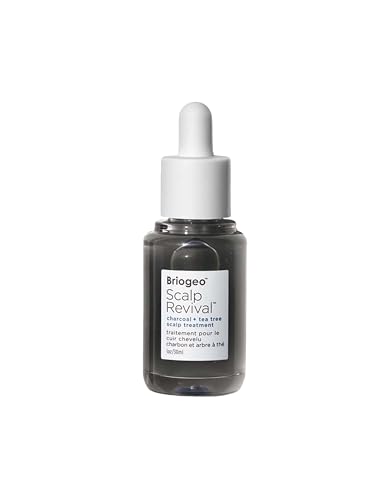
Briogeo Scalp Revival Charcoal + Tea Tree Scalp Treatment

The only pick here aimed at the scalp rather than the hair, and the only one that treats itch as well as dryness.

Best overallTea tree, peppermint and spearmint oils — the soothing and anti-itch half of the formula$32.00Amazon
2
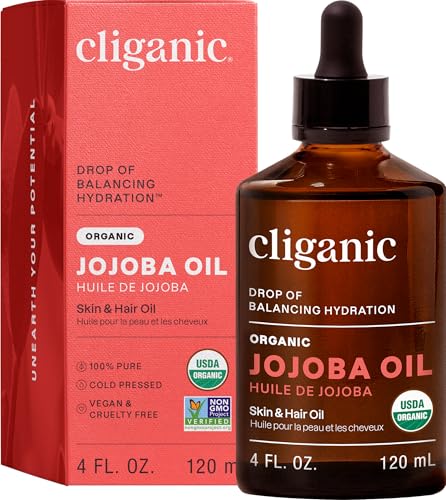
Cliganic Organic Jojoba Oil

One ingredient, lighter than any of the others, and washes out without a fight. Start here.

The cheapest thing that worksSimmondsia chinensis (jojoba) seed oil — the only ingredient on the label$9.98Amazon
3
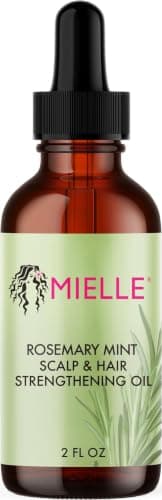
Mielle Organics Rosemary Mint Scalp & Hair Strengthening Oil

Cheap and genuinely useful on a dry scalp, whatever you make of the growth marketing on the bottle.

Everyday scalp oilRosemary oil — the subject of one small 2015 randomized trial against 2% minoxidil, cited on our rosemary guide$8.84Amazon
4
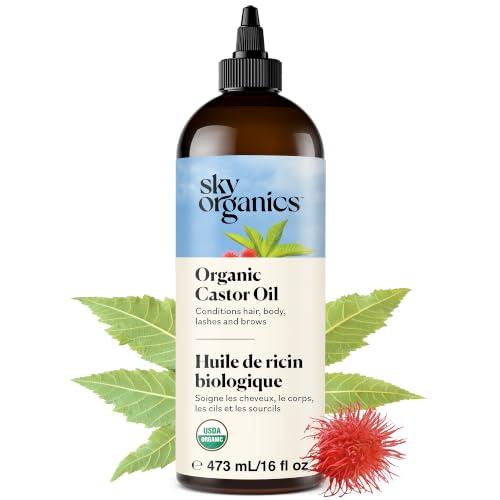
Sky Organics Organic Castor Oil

Thick, sticky, and the traditional hour-under-a-towel treatment for a coarse dry scalp. Never a leave-in.

Pre-wash soakOrganic ricinus communis (castor) seed oil — the only ingredient on the label$16.99Amazon
5
Head & Shoulders Clinical Strength Dandruff Defense Sensitive Scalp Shampoo

Not an oil, and here on purpose. If your flakes are greasy and yellowish, this is the product that helps and oil is the one that does not.

If it is dandruffSelenium sulfide, the anti-dandruff active across the Clinical Strength lineCheck price · Amazon

#ad · Prices come live from the retailer, last checked November 11, 2026; where we have no verified live price we show none. These picks are chosen from formulation research, not from testing them ourselves. Tap a row for the full write-up.

First: is your scalp dry, or do you have dandruff?

This is the whole page in one question, and getting it wrong is how people spend six months oiling a scalp that is getting steadily worse.

A dry scalp is short of moisture, the same way dry skin anywhere is. It feels tight, it itches in a mild and diffuse way, and the flakes it sheds are small, white, dry and powdery. It is worse in winter, worse after hot showers, worse if you wash daily with an aggressive shampoo. Your hair is usually dry too.

Dandruff is a different condition with a different cause. The American Academy of Dermatology describes dandruff flakes as yellowish and oily rather than dry and powdery, often with redness and more persistent itch, and notes that treatment means a medicated shampoo rather than more moisture (AAD, how to treat dandruff). It is associated with Malassezia, a yeast that lives on the scalp of almost everyone and feeds on the lipids in sebum.

Which produces the uncomfortable conclusion this category does not advertise: putting oil on a dandruff-prone scalp can feed the organism driving the flaking. If you have oiled your scalp diligently and your flakes got worse, that is not a sign to try a different oil. It is a sign you were treating the wrong problem.

The quick discriminator: dry flakes are small, white and fall away loose; dandruff flakes are larger, yellowish, slightly greasy and cling. If your scalp is oily and flaking at once, you are not in the right section at all — oily scalp, dry ends covers that combination, and the dry-scalp shampoo shortlist is where to go if you want to fix the wash before you add a product.

What a scalp oil actually does, and what it does not

An oil is an occlusive. It sits on the surface, fills the gaps between skin cells and slows the rate at which water evaporates out. That is genuinely useful on a dry scalp: less water loss means less tightness, less of the mild itch that comes with it, and fewer of those small dry flakes.

What an oil does not do is add moisture. There is no water in it. This is the same point that makes oil a finishing product rather than a treatment on the lengths — the hair-oil page for dry lengths goes into the damp-not-dry application rule, and it applies to the scalp too. On a genuinely parched scalp, oil over slightly damp skin does more than oil over bone-dry skin.

Three more honest limits, because the category oversells all three. Oil does not grow hair. Castor oil in particular is sold as a growth treatment on the strength of nothing. Rosemary oil is the one ingredient in this area with a randomized trial behind it, and that trial is small and has real limitations — we go through it in detail. Oil does not unclog follicles, which is not a thing that happens the way the marketing implies. And oil does not treat an inflamed scalp; persistent redness, soreness or scaling is a reason to see a dermatologist rather than buy a fourth bottle.

How we picked these five

Four criteria, and one of the picks below is deliberately not an oil at all.

1. It has to be usable on the scalp specifically. Most products sold as "hair oil" are finishing serums for the ends — a few drops smoothed over dry lengths. Those are the wrong format here: you cannot get them to the scalp without coating everything in between. A dropper, a nozzle or a thin enough oil to part and apply in sections is the baseline requirement.

2. Weight, because weight is what decides whether you will use it twice. Jojoba is a liquid wax and behaves lightly. Castor is thick and tacky. Coconut is solid below room temperature. These are not interchangeable, and matching the weight to your hair matters more than which plant it came from.

3. The label has to be honest about what it is. We have not included a product whose main claim is hair growth, because the evidence does not support that claim and a scalp oil does not need it. Where a brand states a figure from its own testing — Briogeo's hydration and flaking numbers, for example — we attribute it to the brand rather than present it as an independent finding.

4. One pick has to cover the misdiagnosis. A meaningful share of people searching for a dry-scalp oil have dandruff, and sending all of them to an oil would be the wrong answer dressed up as a complete one. So the fifth pick is a medicated shampoo, flagged as such, for the readers the first four will not help.

What we did not use: star ratings, review counts or scores. Each pick carries an editorial role and a specific disqualifier instead.

We have not used these products ourselves. They are chosen from what is in the formula, what those ingredients are documented to do, and whether that matches the problem this page is about — and every product below links to the manufacturer's own page so you can check the formulation claims yourself. The full method is here.

Which oil, by hair type

Fine or thin hair. Jojoba, and not much of it. Anything heavier reads as greasy roots within hours and no amount of shampoo fixes it the same day. A few drops, massaged into the scalp only, an hour before you wash.

Medium hair. Jojoba or a formulated scalp treatment. This is the range where a dropper product earns its price, because you can target the scalp and keep the lengths clean.

Coarse, curly or coily hair. Castor, or a heavier blend, as a pre-wash soak. Coarse hair tolerates weight that fine hair cannot, and pre-wash oiling is a long tradition on this hair for exactly that reason. If your scalp is dry and your curls are frizzing, a leave-in on the lengths is the other half of the fix.

Any hair type with itch as the main complaint. A formulated treatment with tea tree or menthol rather than a plain carrier oil. Plain oil moisturizes; it does not soothe.

Low-porosity hair — strands that resist taking water in — needs less oil than you think, because nothing is escaping quickly in the first place. If you are not sure which you have, the porosity test takes about five minutes.

How to apply it without ending up with greasy hair

The complaint about scalp oil is almost always greasy hair rather than an ineffective product, and that is an application problem.

  • Part the hair in sections and apply to skin, not hair. A dropper or nozzle makes this straightforward. Tipping oil onto your palm and raking it through is how you oil your lengths by accident.
  • Less than you think. Start with four to six drops for a whole scalp. You can add more next time; you cannot remove it today.
  • Massage for a minute or two. This spreads it and feels good. It does not stimulate growth, whatever the bottle implies.
  • Treat it as pre-wash unless the label says otherwise. An hour before shampoo is plenty — overnight is traditional but makes no measurable difference to a carrier oil and ruins pillowcases. Formulated leave-on treatments are the exception, and they say so.
  • Shampoo twice if you used a heavy oil. The first wash emulsifies, the second removes. One wash on castor oil leaves a film, and a film on the scalp is where buildup starts.
  • Once or twice a week, not daily. Daily oiling plus daily washing to remove it is a cycle that dries the scalp out more than either alone.

One sequencing note: oil goes on before shampoo at the scalp, and after conditioner at the ends. Those are two different steps in opposite halves of the routine, and the order-of-application guide lays out the whole sequence.

When to stop buying oil and see someone

Oil is a reasonable thing to try for a tight, mildly itchy, powdery scalp. It is the wrong thing to persist with in several situations, and the AAD's own guidance on everyday hair and scalp care is worth reading alongside this (AAD, everyday hair care).

Stop and get it looked at if: the flaking is yellowish, greasy or clinging; the scalp is red, sore, scaly or weeping; the itch is severe or keeps you awake; you are losing hair as well as flaking; or you have tried a reasonable product properly for six weeks and nothing has changed. Scalp psoriasis, seborrheic dermatitis and contact dermatitis all present as a flaking scalp and none of them is a dryness problem. If shedding is part of the picture, why hair thins sets out which of those causes need a doctor rather than a product.

And if the honest answer turns out to be that your scalp is fine and your hair is the problem, that is a different and much easier purchase — the shampoo shortlist for a dry scalp is the cheaper place to start, because changing what strips the scalp beats adding something back on top of it.

Single-ingredient plant oils are also the one corner of hair care where an organic certification is both available and meaningful, which is the narrower point organic hair care products makes about the rest of that aisle.
In detail

The picks, in full

1Best overall

Briogeo Scalp Revival Charcoal + Tea Tree Scalp Treatment

The only pick here aimed at the scalp rather than the hair, and the only one that treats itch as well as dryness.

Who it suits: A scalp that is tight, itchy and shedding small dry flakes rather than greasy ones

What is doing the work

  • Tea tree, peppermint and spearmint oils — the soothing and anti-itch half of the formula
  • Witch hazel, which astringes rather than moisturizes, so it addresses irritation instead of adding richness
  • Sodium hyaluronate and aloe barbadensis leaf juice for scalp hydration
  • Binchotan charcoal, biotin and panthenol; 99% naturally derived and vegan, per the manufacturer

What works

  • A dropper, so it reaches the scalp in sections instead of coating the hair
  • Light enough to leave in rather than needing a wash-out, which most scalp oils do not manage
  • Briogeo states its own clinical testing showed up to 2x more scalp hydration and 98% less dry-scalp flaking after one use

What to note

  • The hydration and flaking figures are the brand's own clinical claims, not independent findings
  • The mint tingle is strong and is genuinely uncomfortable on a scalp that is broken or raw
  • Costs several times what a bottle of plain jojoba oil does

Skip it if your flakes are large, yellowish and greasy, or your scalp is visibly inflamed — that pattern points at seborrheic dermatitis or dandruff, which needs an antifungal shampoo rather than a soothing treatment.

Briogeo Scalp Revival Charcoal + Tea Tree Scalp Treatment
$32.00View on Amazon

#ad · Price as of November 11, 2026 · Affiliate disclosure for the link to Scalp Revival Charcoal + Tea Tree Scalp Treatment

2The cheapest thing that works

Cliganic Organic Jojoba Oil

One ingredient, lighter than any of the others, and washes out without a fight. Start here.

Who it suits: A dry scalp on fine or easily weighed-down hair, and anyone who wants one ingredient

What is doing the work

  • Simmondsia chinensis (jojoba) seed oil — the only ingredient on the label
  • Cold-pressed and USDA-certified organic, non-GMO verified and EWG Verified, per the manufacturer

What works

  • A single ingredient, so there is nothing in it to react to and nothing to take on trust
  • Lighter on the scalp than castor or coconut oil, and far easier to wash out
  • Sold in sizes from a couple of ounces up to a quart, so the per-use cost is trivial

What to note

  • Does nothing for itch, flaking or inflammation — it is a moisturizer and nothing more
  • No dropper in most sizes, so it is easy to pour on far too much
  • A plain oil will not be the answer if the real problem is dandruff

Skip it if you need a treatment rather than a moisturizer — if your scalp itches, burns or flakes persistently, a plain carrier oil is the wrong product and you should see a dermatologist.

Cliganic Organic Jojoba Oil
$9.98View on Amazon

#ad · Price as of November 11, 2026 · Affiliate disclosure for the link to Organic Jojoba Oil

3Everyday scalp oil

Mielle Organics Rosemary Mint Scalp & Hair Strengthening Oil

Cheap and genuinely useful on a dry scalp, whatever you make of the growth marketing on the bottle.

Who it suits: Dry scalps and dry ends, and anyone who wants to try the rosemary idea cheaply

What is doing the work

  • Rosemary oil — the subject of one small 2015 randomized trial against 2% minoxidil, cited on our rosemary guide
  • Biotin, which Mielle states helps nourish the scalp and condition dry hair

What works

  • Inexpensive compared with a peptide serum
  • Genuinely useful on dry scalp and split ends regardless of the growth question
  • Safe for chemically treated hair and protective styles, per the manufacturer

What to note

  • The growth evidence is one small trial that gets cited far beyond what it supports
  • Oily on fine hair if you use too much or too near the lengths

Skip it if you have an oily scalp already — adding oil to it will not help, whatever the marketing suggests.

Mielle Organics Rosemary Mint Scalp & Hair Strengthening Oil
$8.84View on Amazon

#ad · Price as of November 11, 2026 · Affiliate disclosure for the link to Rosemary Mint Scalp & Hair Strengthening Oil

4Pre-wash soak

Sky Organics Organic Castor Oil

Thick, sticky, and the traditional hour-under-a-towel treatment for a coarse dry scalp. Never a leave-in.

Who it suits: A coarse, very dry scalp, used as a pre-wash soak rather than left in

What is doing the work

  • Organic ricinus communis (castor) seed oil — the only ingredient on the label
  • Cold-pressed, hexane-free and USDA-certified organic, per the manufacturer

What works

  • Heavy enough to stay on the scalp for a long soak instead of running down your neck
  • The brand's own instruction is a one-hour pre-shampoo treatment, which is the honest way to use castor oil
  • Cheap per use even in the smallest bottle

What to note

  • Genuinely difficult to wash out — most people need two shampoos
  • No evidence castor oil grows hair, despite being sold that way everywhere
  • Too heavy and too sticky for fine hair in any quantity

Skip it if you were hoping to leave it in, or your hair is fine — castor oil is a pre-wash soak for coarse hair and it behaves badly in every other role.

Sky Organics Organic Castor Oil
$16.99View on Amazon

#ad · Price as of November 11, 2026 · Affiliate disclosure for the link to Organic Castor Oil

5If it is dandruff

Head & Shoulders Clinical Strength Dandruff Defense Sensitive Scalp Shampoo

Not an oil, and here on purpose. If your flakes are greasy and yellowish, this is the product that helps and oil is the one that does not.

Who it suits: A reactive scalp that flakes and stings with ordinary shampoo

What is doing the work

  • Selenium sulfide, the anti-dandruff active across the Clinical Strength line
  • A sensitive-scalp base intended for reactive skin

What works

  • A named active at a known strength
  • Formulated specifically for scalps that react to the regular version
  • Cheap and stocked everywhere

What to note

  • Can dry the lengths — condition mid-length to ends separately
  • Medicinal, not cosmetic; read the label against your own situation

Skip it if your scalp is itchy but not flaking — that may be irritation rather than dandruff, and an anti-dandruff active is the wrong tool.

Head & ShouldersNo product photograph available for the Head & Shoulders Clinical Strength Dandruff Defense Sensitive Scalp Shampoo
Check price on Amazon

#ad · Price shown on Amazon · Affiliate disclosure for the link to Clinical Strength Dandruff Defense Sensitive Scalp Shampoo

How we picked

Products we have personally tested: none

Most hair care roundups are written in a "we tested these" voice. We have not, and saying so is the point. These picks are chosen the way an informed shopper would choose them: read what is actually in the formula, check what those ingredients are documented to do, match that against the specific problem the page is about, and confirm the product is still being sold.

Each pick gets a role — the drugstore option, the one for high porosity, the gentlest of the set — rather than a score out of ten, because a score would imply a measurement nobody took. Nobody pays for inclusion or placement, and when the cheap product is the right answer we say that too. The full method is on one page.

Questions

Frequently asked

Is coconut oil good for a dry scalp?
It is a perfectly good occlusive, but it is solid below about 76°F, hard to apply in sections, and among the hardest oils to wash out. Jojoba does the same job more conveniently.
Can oiling my scalp cause dandruff?
It will not cause it from nothing, but the yeast associated with dandruff feeds on scalp lipids, so oiling an already dandruff-prone scalp can make the flaking worse. Medicated shampoo first in that case.
How long should I leave oil on my scalp?
An hour before shampooing is enough for a carrier oil. Overnight is traditional rather than better. Formulated leave-on treatments are different and should be used as the label directs.
Does scalp oil help hair grow?
No oil has been shown to grow hair. Rosemary oil has one small randomized trial behind it; castor oil, despite how it is marketed, has none. A healthier scalp and less breakage are the honest benefits.
How often should I oil my scalp?
Once or twice a week, timed to your wash days. Daily oiling plus the extra washing it requires tends to leave the scalp drier than it started.

Next

Receipts

Sources

  1. 1.American Academy of Dermatology — How to treat dandruff
  2. 2.American Academy of Dermatology — Everyday hair care
  3. 3.On hair care physicochemistry: from structure and degradation to novel biobased conditioning agents (PMC)
  4. 4.Panahi Y et al. — Rosemary oil vs minoxidil 2% for the treatment of androgenetic alopecia: a randomized comparative trial (SKINmed, 2015)

Claims about what an ingredient does are cited to dermatology bodies or published research. Claims about what a product contains are cited to the manufacturer's own page and labeled as the manufacturer's claim. Where the evidence is thin, we say so on the page rather than rounding it up. Read the full method.