The distinction that decides which oil you need
Almost every argument about hair oils comes down to one physical question: does the oil get inside the strand, or does it stay on the outside? Both are useful. They solve different problems, and buying the wrong one is why people say oil did nothing for their dry hair.
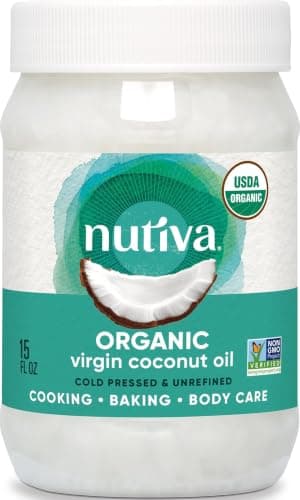
The clearest piece of evidence in the category is a 2003 study in the Journal of Cosmetic Science that compared coconut oil, sunflower oil and mineral oil on hair, measuring protein loss after washing and combing. Coconut oil was the only one of the three that reduced protein loss, on both damaged and undamaged hair, used before or after washing. The authors attribute that to its composition: coconut oil is largely a triglyceride of lauric acid, a small, straight-chain fatty acid with an affinity for hair protein, so it is able to move into the fiber rather than sit on it. Sunflower oil, built on bulkier linoleic acid, did not penetrate and did not help; mineral oil, a hydrocarbon with no protein affinity, did nothing either (Rele & Mohile, J Cosmet Sci 2003).
One caveat we would rather state than bury: that study came out of the research department of a company that sells coconut hair oil. It has been widely cited and its mechanism is consistent with the chemistry, but it is not an independent trial, and no comparable study exists for argan, jojoba or castor oil. So the honest summary is that coconut oil has the best evidence in a category where the evidence is thin overall.
Everything else on this page works by lubrication. A dermatology review of hair cosmetics describes the role of oils and conditioning agents as smoothing the cuticle, reducing friction between strands and limiting the mechanical damage that combing and styling cause (hair cosmetics overview, Int J Trichology). That is not a lesser function. Most of the damage that makes hair look dry is mechanical, and a thin film of oil on the surface prevents a measurable share of it.
What no oil does is moisturize. Water moisturizes hair. Oil slows water leaving, which is why an oil applied to dry, thirsty hair makes it feel worse — you have sealed the dryness in. The order is water, then a leave-in or conditioner, then oil, and the order products go on in matters more than which bottle you bought.
How we picked these four
1. One ingredient on the label. This page is about natural oils in the literal sense: a single cold-pressed plant oil and nothing else. That rules out every blended "hair oil" with a fragrance and a silicone in it, however good some of those are — the blends are on the formulated hair oil shortlist instead.
2. Sorted by behavior, not by price. The picks run from the one oil that enters the strand through to the one that only works as a pre-wash soak. That axis is what decides your result, so it is the one the list is ordered on.
3. Cold-pressed and certified. Pure plant oils are among the most commonly adulterated products in beauty, and argan oil especially so. Every pick here is sold as cold-pressed, with the certification stated on the maker's own page, which is linked on each card so you can check rather than take our word for it.
4. Honest about the two that are situational. Castor oil is a pre-wash soak and nothing else. Coconut oil suits most heads and makes a minority of them feel like straw. Both are on the list with that written on the card rather than left off.
What we did not use: scores, star ratings or review counts. Each pick carries an editorial role and a specific disqualifier instead.
We have not used these products ourselves. They are chosen from what is in the formula, what those ingredients are documented to do, and whether that matches the problem this page is about — and every product below links to the manufacturer's own page so you can check the formulation claims yourself. The full method is here.
Match the oil to the problem
If you read nothing else, read this table. It is the whole page in six rows.
| Your complaint | The oil | How to use it |
|---|
| Hair snaps when wet, bleached or heat-worn | Coconut | Pre-wash soak, 30 to 60 minutes, then shampoo |
|---|
| Dull, rough, frizzy ends | Argan | Two to four drops on damp mid-lengths and ends |
|---|
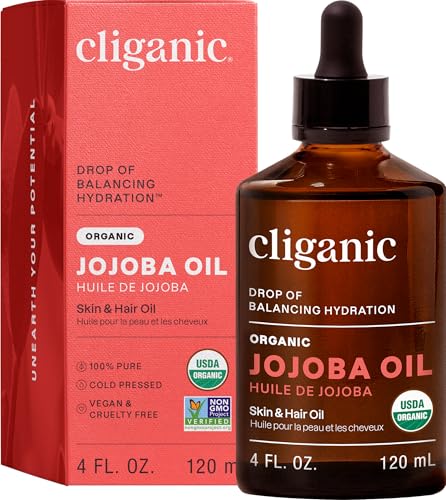
| Fine hair that everything weighs down | Jojoba | One or two drops on the ends only, or on the scalp |
|---|
| Tight, dry, flaking scalp | Jojoba or coconut | Massaged into the scalp before washing |
|---|
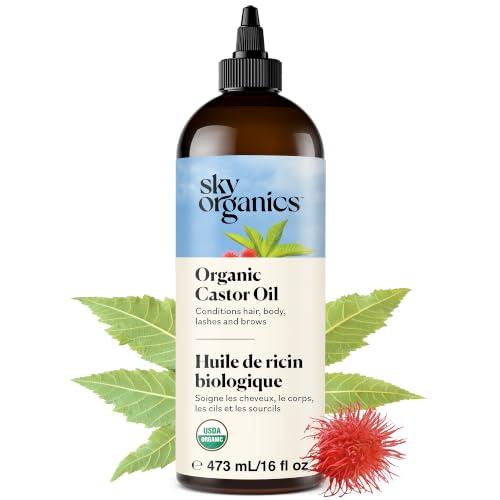
| Coarse, very dry hair that drinks everything | Castor, cut with coconut | An hour under a towel before shampoo |
|---|
| Dry hair that is also color-faded | Argan, plus a color-safe wash | Damp ends daily; the wash matters more than the oil |
|---|
Porosity is the variable behind most of those rows. High-porosity hair — bleached, chemically treated, or naturally coarse — takes oil readily and needs more of it; low-porosity hair resists everything and shows residue fast. Research on hair porosity describes it as a property that rises with chemical damage and governs how readily the fiber takes substances up (true porosity measurement of hair, PubMed). If you have never checked yours, the porosity test takes a few minutes and changes how much oil you should be using.
Coconut oil on a dry scalp, which is its second best use
Searches for coconut oil and a dry scalp are relentless, and the answer has two halves.
If your scalp is genuinely dry — tight after washing, small fine flakes, no redness, no persistent itch — then an oil massaged in before you shampoo is a reasonable, cheap thing to try, and coconut oil is a fine choice for it. It softens the surface, reduces the friction of scratching, and washes out with one shampoo.
If your scalp itches persistently, flakes in large greasy pieces, or looks red, that is not dryness and an oil can make it worse. Dandruff involves a yeast that lives on scalp sebum, and feeding it oil is the wrong move; the American Academy of Dermatology's position is that persistent flaking and itching need an active ingredient, and a dermatologist if it does not settle (AAD, how to treat dandruff). Our scalp oil shortlist starts with the test that separates the two, and the dandruff shampoo shortlist is the right page if the itch is the main event.
One practical note: coconut oil is solid below roughly 76°F. Warm a small amount in your palms until it is liquid before it goes anywhere near your scalp, or you will end up dragging a solid lump through your hair.
How much to use, and when
Dose is where most people go wrong, and the fix is free.
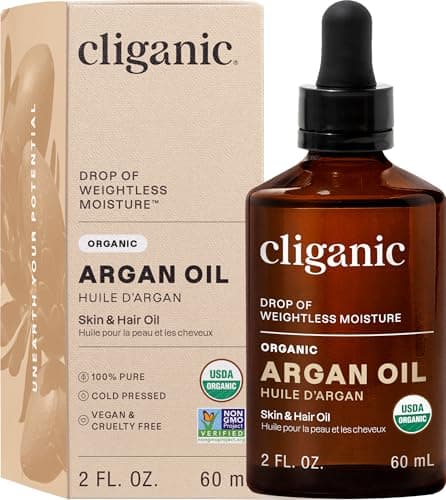
- Finishing oil: two to four drops. That is the manufacturer's own instruction for the argan oil on this page, and it is the right order of magnitude. Warm it between your palms, then press it through the bottom third of damp hair. Never at the roots.
- Pre-wash soak: a teaspoon or two, melted. Lengths and ends for damage, scalp as well if the scalp is dry. Thirty to sixty minutes is plenty — overnight adds nothing except a pillowcase problem.
- Damp, not dry. Oil spreads on a wet surface and lands in patches on a dry one. The exception is a single drop on dry flyaways at the end of the day.
- After the leave-in, not instead of it. The leave-in brings water and humectants; the oil holds them in. Swapping the order is the single most common reason oiled hair still feels dry.
- Expect to shampoo twice after castor oil. That is normal and not a sign you used too much — though you probably did.
If hair looks greasy at the roots and still feels dry at the ends, you have an application problem rather than a product problem, and oily scalp with dry ends covers the routine that fixes it.
A pure oil is cheaper, has nothing in it you cannot pronounce, and in coconut's case has the better evidence. A formulated oil — the Moroccanoil and Frizz Ease category — adds silicones, which spread more evenly, feel lighter, and give a smoother finish at a lower weight than any plant oil can.
That is the honest trade. Silicones are better at looking good; a single plant oil is better at being simple, and cheaper per use by a wide margin. Neither is a scam, and the choice is yours rather than ours. If the silicone question is what is holding you up, the silicone-free guide goes through what silicones do and do not do, and hair mask vs hair oil settles which step to spend money on first if you can only buy one.
For the record, the two we would put together for most dry heads: coconut oil as a weekly pre-wash, and a few drops of argan oil on damp ends between washes. That is under twenty dollars of product covering both halves of the problem, and coconut oil vs argan oil takes the two head to head if you only want one of them.
What no oil can do
Oils are the most over-promised products in hair care, so here is the boundary.
They do not repair damage. Bleach and chemical processing break bonds inside the strand and lift the cuticle; electron microscopy of over-bleached hair shows cuticle cells separating and, in severe cases, peeling away to expose the cortex (effects of excessive bleaching, PMC). An oil lubricates that surface. It does not rebuild it. If bleach caused your problem, bond repair treatments are the category that addresses it.
They do not grow hair. Castor oil in particular is sold on that claim and there is no evidence for it — the rosemary oil evidence is the only oil-adjacent claim on this site with a trial behind it, and even that one is small and single.
They do not replace conditioner. The AAD's everyday hair care guidance is about washing habits, heat and handling as much as products (AAD, everyday hair care), and a weekly mask plus a sensible wash schedule will do more for dry hair than any oil in this list. The mask shortlist is where to start if you own neither.
Within those limits, a single-ingredient plant oil is one of the best-value purchases in hair care: a few dollars, one ingredient, and a measurable reduction in the mechanical damage that costs you length.
Two follow-ons, if a plain oil is the direction you are going: hair slugging is the overnight version of the pre-wash soak above, and what a dry oil actually is decodes the label most of the lighter bottles are sold under.