The actual difference, in one paragraph each
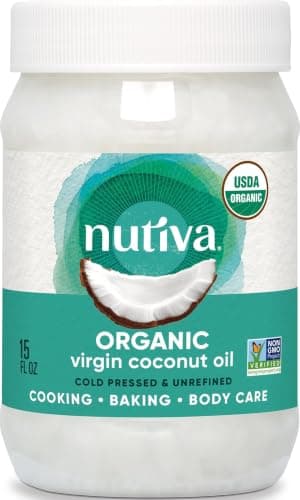
Coconut oil goes in. It is largely a triglyceride of lauric acid — a small, straight-chain fatty acid with an affinity for hair protein — and that composition is what lets it move into the fiber instead of resting on it. In the one published comparison of three common hair oils, coconut oil was the only one that reduced protein loss from hair after washing and combing, on damaged and undamaged hair alike; sunflower oil and mineral oil did not reduce it at all (Rele & Mohile, J Cosmet Sci 2003). Worth knowing: that research came from the R&D department of a company that sells coconut hair oil, so it is not independent — but no competing study contradicts it, and the mechanism fits the chemistry.
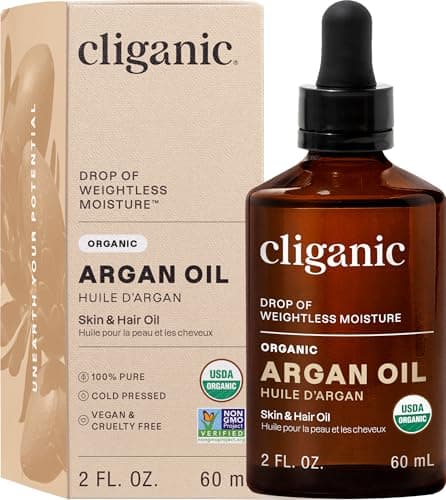
Argan oil stays out. It is dominated by oleic and linoleic acids, which are bulkier molecules with no particular affinity for keratin, so it forms an emollient film on the cuticle rather than entering the cortex. That film is what reduces friction between strands, lays the cuticle flat and makes hair look glossy instead of frizzy — the lubrication role a dermatology review of hair cosmetics describes for oils and conditioning agents generally (hair cosmetics overview, Int J Trichology). It is not a lesser job. Most of the damage that makes hair look dry is mechanical, and less friction means less of it.
So the choice is not about quality. It is about whether your hair has lost structure or only lost shine.
Side by side
| | Coconut oil | Argan oil |
|---|
| Where it works | Inside the strand | On the surface only |
|---|
| Main fatty acid | Lauric acid, small and linear | Oleic and linoleic, bulkier |
|---|
| Evidence | Reduced protein loss in a published comparison | No comparable hair study; standard emollient behavior |
|---|
| Best used | Before shampoo, 30 to 60 minutes | On damp ends, after a leave-in |
|---|
| Texture | Solid below about 76°F, needs melting | Thin liquid, absorbs fast |
|---|
| On fine hair | Too heavy to leave in | Fine at one or two drops |
|---|
| Washes out | Needs a proper shampoo | Rinses easily |
|---|
| Fixes | Breakage, protein loss, rough bleached lengths | Dullness, frizz, flyaways, rough ends |
|---|
We have not used these products ourselves. They are chosen from what is in the formula, what those ingredients are documented to do, and whether that matches the problem this page is about — and every product below links to the manufacturer's own page so you can check the formulation claims yourself. The full method is here.
Buy coconut oil if
- Your hair is bleached, colored or chemically straightened. Those services are what cost hair its protein in the first place, and the pre-wash oiling step is aimed squarely at that loss. Over-bleached hair shows cuticle cells separating and lifting under electron microscopy (effects of excessive bleaching, PMC), and reducing what washes out of that compromised fiber is worth doing.
- Your hair snaps rather than stretches. Breakage mid-length is a structural complaint, not a shine complaint.
- You comb or detangle a lot. The study measured protein loss from washing and combing, and dense or long hair gets a lot of both.
- You want one cheap jar that covers several jobs. The same coconut oil works as a pre-wash soak, a scalp massage oil and a crude mask.
- Your hair is coarse or high porosity. It can carry the weight and it takes oil up readily — high-porosity hair is the page for the rest of that routine.
One real caveat. A minority of people find coconut oil leaves their hair stiff and straw-like after a few weeks. That reaction is well documented anecdotally and does not improve with persistence. If it happens to you, stop; jojoba oil is the sensible substitute and the natural oil shortlist covers it.
Buy argan oil if
- Your hair looks dull rather than broken. Shine is a surface property, and surface oils are what change it.
- Frizz and flyaways are the daily complaint. A film on the cuticle is exactly the right tool — why hair frizzes explains the mechanism.
- You will not do a pre-wash step. Be honest about this. An oil you use in two minutes on damp ends beats a treatment you never get round to.
- Your hair is fine or medium. Two drops of argan oil is manageable on hair that a teaspoon of coconut oil would flatten for a week.
- You blow-dry. A surface film reduces the friction of brushing while hair is hot and vulnerable — though if heat is a regular part of your routine, a real heat protectant is the product doing that job properly.
Using both, in order
They are not rivals, and most dry heads are better off with both. The full week looks like this.
- Before the wash. Melt a teaspoon or two of coconut oil in your palms and work it through dry mid-lengths and ends. Thirty to sixty minutes. Overnight adds nothing.
- Shampoo it out properly. Twice if you used a generous amount. A gentle sulfate-free shampoo will still shift it — the sulfate-free guide covers what those cleansers can and cannot lift.
- Condition or mask as usual. This is the step that puts moisture in; the oils only manage it.
- Leave-in on damp hair. Water and humectants first.
- Two to four drops of argan oil last. Bottom third only, never the roots.
That sequence is the same logic as the product order guide: water, then the thing that holds water, then the thing that seals it.
The three mistakes that make people blame the oil
1. Using coconut oil as a leave-in. It is too heavy for that on almost every hair type, and the result — greasy, lank hair that still feels dry underneath — gets blamed on the oil rather than the timing. It is a pre-wash treatment.
2. Using any oil on dry hair and expecting moisture. Oil does not contain water and cannot add any. On parched hair it seals the dryness in. Damp hair, every time, with a leave-in underneath if your hair is genuinely thirsty — leave-in conditioners for dry hair is the other half of this fix.
3. Buying argan oil on price. Argan is among the most adulterated oils in beauty, and a cheap bottle is frequently cut with something else. Buy one with certification stated on the maker's page, which is the pick on this page and the reason it is the pick.
And one boundary worth repeating: neither oil repairs structural damage. If bleach is the cause, bond repair treatments are the category that addresses it, and no amount of oil substitutes for one.
If argan is the one you have settled on, the argan oil shortlist compares the pure oil against the silicone blends and the drugstore shampoo built on the same ingredient.
How we picked
Products we have personally tested: none
Most hair care roundups are written in a "we tested these" voice. We have not, and saying so is the point. These picks are chosen the way an informed shopper would choose them: read what is actually in the formula, check what those ingredients are documented to do, match that against the specific problem the page is about, and confirm the product is still being sold.
Each pick gets a role — the drugstore option, the one for high porosity, the gentlest of the set — rather than a score out of ten, because a score would imply a measurement nobody took. Nobody pays for inclusion or placement, and when the cheap product is the right answer we say that too. The full method is on one page.