Strand&Suds

Dry & Damaged Hair · Our picks

The Best Products for Split Ends

No product permanently repairs a split end — once a strand has divided, only cutting removes it. What these five do is stop new splits forming and temporarily smooth the ones you have, which is the difference between losing length slowly and losing it fast.

By Janet H.Updated How we pick
#ad

We earn a commission if you buy through our links, at no extra cost to you. It never decides the ranking — the method is published · Affiliate disclosure

The short answer

Quick picks

#ProductBest forKey ingredientPrice
1
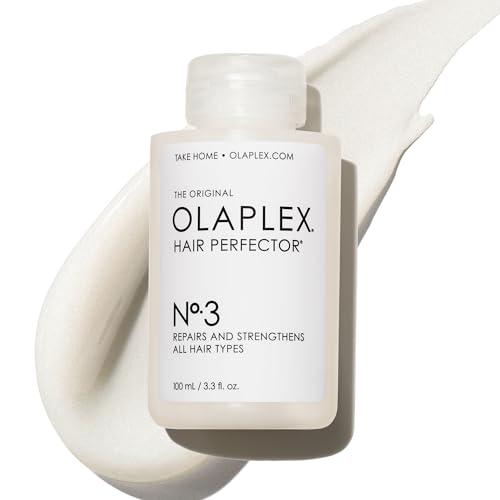
Olaplex Nº.3 Hair Perfector

Splits that started with bleach, a perm or a relaxer begin as internal bond damage. This is the only category on the page that addresses that rather than the surface.

Best if the cause is chemicalBis-aminopropyl diglycol dimaleate — Olaplex's patented active, which the company states works on broken disulfide bonds inside the strand rather than sitting on the surfaceCheck price · Amazon
2
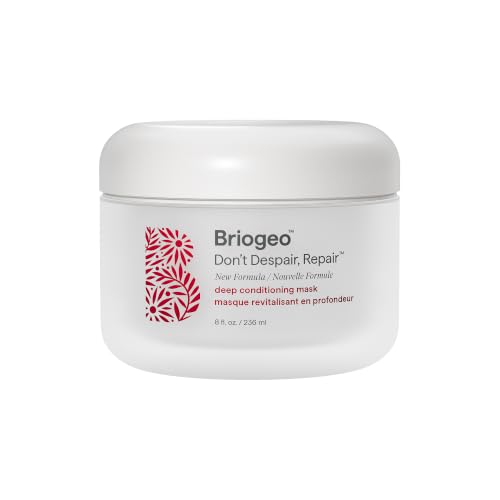
Briogeo Don't Despair, Repair! Deep Conditioning Mask

Dry hair splits because it is stiff. A rich weekly mask keeps the ends flexible, which is the single most effective preventive step here.

Best weekly treatmentRosehip and argan oils — emollients that soften the strand and reduce the friction that causes mechanical breakage$39.00Amazon
3
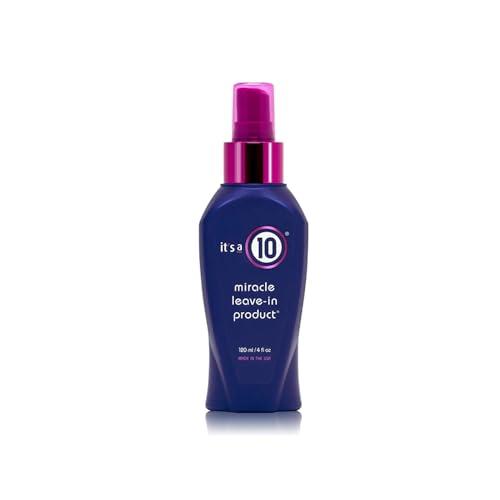
It's a 10 Miracle Leave-In Product

Most splits are made by combing, towelling and heat. A leave-in reduces all three, every day, which matters more than any treatment you use weekly.

Best daily protectionConditioning agents and silicones that give slip for detangling and reduce combing breakage$13.39Amazon
4
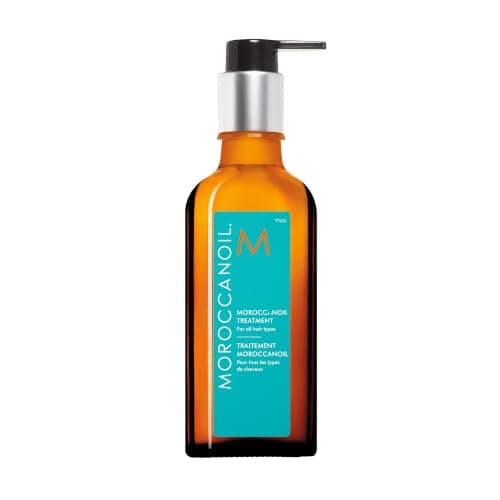
Moroccanoil Treatment Original

An oil flattens the frayed cuticle and makes existing splits far less visible until the next wash. Cosmetic rather than curative, and honest about it.

Best for smoothing what you haveArgan oil, an emollient that coats the cuticle and reduces the friction that causes frizz and breakage$50.00Amazon
5
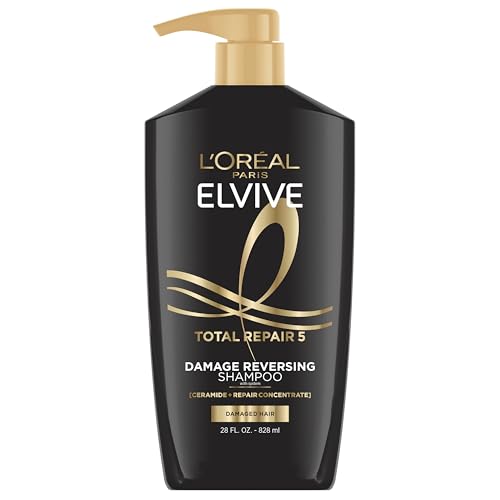
L'Oréal Paris Elvive Total Repair 5 Repairing Shampoo

If you are replacing a harsh shampoo, start here. Changing the wash does more for ends than adding a sixth product on top of it.

The drugstore optionProtein and ceramide, which L'Oréal states strengthen the hair fiber and seal in moisture$7.68Amazon

#ad · Prices come live from the retailer, last checked November 11, 2026; where we have no verified live price we show none. These picks are chosen from formulation research, not from testing them ourselves. Tap a row for the full write-up.

Start with what no product can do

A split end is a strand that has physically divided along its length because the cuticle that was holding it together has worn away. There is no living tissue there and no mechanism by which the two halves rejoin. Nothing in a bottle changes that.

Products described as sealing or mending split ends are doing one of two real things, both worth having and neither of them repair:

They smooth the split temporarily. Oils, silicones and film-forming polymers coat the frayed end, press the halves together and make them reflect light as one strand. This genuinely improves how your hair looks and feels, and it lasts until you wash it out.

They prevent the next one. This is the part that matters. Splits start as cuticle wear long before they are visible, and a strand that is well-conditioned, protected from heat and handled gently wears far more slowly. Preventing splits is entirely achievable; reversing them is not.

Anyone promising otherwise is selling the first thing and calling it the second.

Why ends split, in order of how much damage each cause does

Mechanical wear, and it is the biggest. Combing, brushing, towel- rubbing, hair ties, scarves, car seats, backpack straps. Your ends are the oldest part of your hair — on long hair they are several years old and have been through every wash, every brush and every ponytail since they grew. Wear accumulates and never reverses.

Heat. Flat irons and curling tongs work by driving water out of the strand at temperatures the cuticle does not tolerate indefinitely. Blow-drying on high heat at close range does the same more slowly.

Chemistry. Bleach, permanent color, relaxers and perms all open the cuticle to work, and the comparative imaging work on bleached hair shows structural damage inside the strand rather than only on the surface (bleaching and hair microstructure, PMC). Structurally weakened hair splits under handling that undamaged hair shrugs off.

Dryness. A dry strand is a stiff strand, and stiff things break rather than bend. This is why moisture is preventive rather than cosmetic.

Friction while sleeping. Cotton pillowcases against moving hair for eight hours a night, every night. Cheap to fix and widely underrated.

How we picked these five

1. Each one addresses a different cause. A page of five moisturizing masks would look like a shortlist and function as one product. Below there is a bond treatment for chemical damage, a mask for dryness, a leave-in for mechanical wear and heat, an oil for appearance, and a cheaper wash for people whose shampoo is the problem.

2. Nothing claiming to repair a split. Products are included for what their formulation does, and the write-ups say plainly which ones are cosmetic.

3. The daily product outranks the weekly one on effect. Mechanical damage happens every day, so the leave-in is doing more work over a month than any treatment used once a week. It is placed accordingly.

4. One pick has to be cheap. If your current shampoo is a harsh sulfate cleanser, swapping it is the highest-value change available and should not cost much.

What we did not use: scores, star ratings or review counts. Each pick carries its editorial role and a specific disqualifier instead.

For the ends that are dry rather than split — rough, dull, but still holding together — the narrower shortlist is best hair oil for dry ends, ranked by how much weight the last three inches of your hair can carry.

We have not used these products ourselves. They are chosen from what is in the formula, what those ingredients are documented to do, and whether that matches the problem this page is about — and every product below links to the manufacturer's own page so you can check the formulation claims yourself. The full method is here.

What actually prevents split ends

In rough order of effect per unit of effort, and three of these are free.

  • Detangle from the ends upward, never the roots down. Starting at the scalp drags every tangle in your hair into one knot at the ends and then forces a comb through it. The American Academy of Dermatology makes the same point in its everyday care guidance, along with using a wide-tooth comb on wet hair (AAD, everyday hair care).
  • Stop towel-rubbing. Squeeze, then blot. Wet hair is at its most fragile and a terry towel is abrasive.
  • Use a leave-in every wash, on the ends especially. Less friction per comb stroke, compounded over hundreds of strokes a week.
  • Drop the iron temperature and the frequency. Heat damage is cumulative and permanent; the question of whether you need a dedicated protectant is covered in this guide.
  • Mask the ends weekly. Flexible hair bends instead of fraying — how to use one properly is mostly about putting it where the damage is.
  • Loosen your hair ties and vary where they sit. Tension at one point every day produces splits and breakage at exactly that point.
  • Change the pillowcase, or wrap your hair. Silk or satin, or a loose braid. Small effect per night, large effect per year.
  • Trim on a schedule rather than when it looks bad. Covered next.

When only scissors will do, and why trimming is cheaper than product

A split does not stay the same size. The division travels up the strand as the hair continues to be handled, and the higher it travels the more length you eventually lose to it. A strand split two inches up has to be cut two inches up.

That is the actual argument for regular trims, and it has nothing to do with growth rates. Trimming does not make hair grow faster — nothing applied to or cut from the hair shaft affects the follicle. What it does is stop you losing more length later than you would have lost now.

Every six to twelve weeks suits most people, less often if you do not use heat or chemistry. And if your ends are visibly frayed and white-tipped along the whole length already, the honest answer is a cut followed by a prevention routine, not five products. Spending on product to avoid a trim is the most expensive way to lose length.

Splits versus breakage — they are not the same complaint

Worth separating, because the fix differs and the search terms get used interchangeably.

Splits are at the end of the strand, caused by accumulated surface wear, and the product answer is protection plus smoothing.

Breakage is a strand snapping mid-length, which means it failed under tension somewhere along its body. That is usually structural — bleach, a relaxer, a perm — or a protein and moisture balance that has gone wrong. If you are finding short broken pieces rather than frayed tips, bond repair and protein overload are the two pages to read, in that order.

Both at once is common on bleached hair, and the sequence that works is bond treatment first, moisture second, protection third, trim fourth. Doing it in the other order means trimming hair you are about to damage again — masks for bleached hair covers that case specifically.
In detail

The picks, in full

1Best if the cause is chemical

Olaplex Nº.3 Hair Perfector

Splits that started with bleach, a perm or a relaxer begin as internal bond damage. This is the only category on the page that addresses that rather than the surface.

Who it suits: Hair that has been bleached, permed or relaxed and now snaps mid-length

What is doing the work

  • Bis-aminopropyl diglycol dimaleate — Olaplex's patented active, which the company states works on broken disulfide bonds inside the strand rather than sitting on the surface
  • No silicones or oils doing the heavy lifting, so it does not build up on fine hair

What works

  • Targets the specific damage bleach causes, which conditioner cannot reach
  • Works on every hair type, including fine hair that most repair masks flatten
  • One bottle lasts months at a once-weekly cadence

What to note

  • It is a treatment, not a conditioner — hair can feel rough straight after if you skip conditioning
  • Does nothing for hair that is simply dry rather than chemically damaged

Skip it if your hair has never been colored, bleached or chemically straightened — your problem is moisture, and a mask will do more for less.

Olaplex Nº.3 Hair Perfector
Check price on Amazon

#ad · Price shown on Amazon · Affiliate disclosure for the link to Nº.3 Hair Perfector

2Best weekly treatment

Briogeo Don't Despair, Repair! Deep Conditioning Mask

Dry hair splits because it is stiff. A rich weekly mask keeps the ends flexible, which is the single most effective preventive step here.

Who it suits: Dry, brittle or over-processed hair that needs moisture more than structural repair

What is doing the work

  • Rosehip and argan oils — emollients that soften the strand and reduce the friction that causes mechanical breakage
  • B-vitamins, algae extract and biotin in the brand's NOVA Complex, per Briogeo
  • Formulated without sulfates, silicones, phthalates, parabens, DEA or artificial dyes, per the manufacturer

What works

  • Noticeably softer hair after a single use on genuinely dry lengths
  • No silicones, so it does not build up over weeks of use
  • Works as a normal weekly step rather than a separate ritual

What to note

  • Rich enough to weigh down fine hair if you take it near the roots
  • Moisture, not bond repair — it will not fix bleach damage

Skip it if your hair is fine and goes limp easily, or your damage came from bleach — a lighter conditioner or a bond treatment is the better call.

Briogeo Don't Despair, Repair! Deep Conditioning Mask
$39.00View on Amazon

#ad · Price as of November 11, 2026 · Affiliate disclosure for the link to Don't Despair, Repair! Deep Conditioning Mask

3Best daily protection

It's a 10 Miracle Leave-In Product

Most splits are made by combing, towelling and heat. A leave-in reduces all three, every day, which matters more than any treatment you use weekly.

Who it suits: Anyone who wants one leave-in spray to detangle, smooth and act as a heat protectant

What is doing the work

  • Conditioning agents and silicones that give slip for detangling and reduce combing breakage
  • Positioned by the manufacturer as a thermal protectant as well as a leave-in

What works

  • Spray format means it goes on evenly without over-application
  • Genuinely useful for detangling wet hair, which is when it breaks
  • Works across straight, wavy and curly hair

What to note

  • Master-of-none — a dedicated heat protectant does that job better
  • Contains silicones, so periodic clarifying is sensible

Skip it if you already own a dedicated leave-in and a heat protectant — this replaces them rather than adding anything.

It's a 10 Miracle Leave-In Product
$13.39View on Amazon

#ad · Price as of November 11, 2026 · Affiliate disclosure for the link to Miracle Leave-In Product

4Best for smoothing what you have

Moroccanoil Treatment Original

An oil flattens the frayed cuticle and makes existing splits far less visible until the next wash. Cosmetic rather than curative, and honest about it.

Who it suits: Medium to thick hair that needs shine and frizz control on dry or damp lengths

What is doing the work

  • Argan oil, an emollient that coats the cuticle and reduces the friction that causes frizz and breakage
  • A silicone base that gives the immediate slip and shine — which is also why it needs clarifying occasionally

What works

  • Two or three drops is genuinely enough, so a bottle lasts
  • Cuts blow-dry time noticeably on thick hair
  • Works on damp or dry hair, so it doubles as a finishing product

What to note

  • Silicone-based, so it builds up without periodic clarifying
  • Overdo it on fine hair and you get greasy rather than glossy

Skip it if your hair is fine and goes greasy by day two — a lighter serum, used only on the ends, is the safer choice.

Moroccanoil Treatment Original
$50.00View on Amazon

#ad · Price as of November 11, 2026 · Affiliate disclosure for the link to Treatment Original

5The drugstore option

L'Oréal Paris Elvive Total Repair 5 Repairing Shampoo

If you are replacing a harsh shampoo, start here. Changing the wash does more for ends than adding a sixth product on top of it.

Who it suits: Everyday damage on a budget — split ends, tangling, general roughness

What is doing the work

  • Protein and ceramide, which L'Oréal states strengthen the hair fiber and seal in moisture
  • Paraben-free, per the manufacturer

What works

  • Costs a fraction of the salon repair shampoos and is sold everywhere
  • Available in a large bottle, which matters if you wash often
  • Pairs with a matching conditioner if you want the whole routine cheap

What to note

  • Contains sulfate cleansers, so it is not the pick for freshly colored hair
  • No bond-repair chemistry — it manages damage rather than addressing it

Skip it if your hair is freshly colored or bleached — a sulfate-free, color-safe cleanser will hold the color and the structure better.

L'Oréal Paris Elvive Total Repair 5 Repairing Shampoo
$7.68View on Amazon

#ad · Price as of November 11, 2026 · Affiliate disclosure for the link to Elvive Total Repair 5 Repairing Shampoo

How we picked

Products we have personally tested: none

Most hair care roundups are written in a "we tested these" voice. We have not, and saying so is the point. These picks are chosen the way an informed shopper would choose them: read what is actually in the formula, check what those ingredients are documented to do, match that against the specific problem the page is about, and confirm the product is still being sold.

Each pick gets a role — the drugstore option, the one for high porosity, the gentlest of the set — rather than a score out of ten, because a score would imply a measurement nobody took. Nobody pays for inclusion or placement, and when the cheap product is the right answer we say that too. The full method is on one page.

Questions

Frequently asked

Can split ends be repaired without cutting?
Not permanently. Oils, silicones and film-forming polymers press the frayed halves together and make the split far less visible, which lasts until the next wash. Removing a split means cutting it.
What is the best product for split ends?
A leave-in used every wash, because most splits are made by combing, towelling and heat rather than by a lack of treatment. A weekly mask is the second most useful thing and an oil is the best cosmetic fix for the splits you already have.
Do split end sealers work?
They work as described if you read the description carefully: they seal the appearance of a split temporarily. None of them rejoins the strand, and claims of permanent mending are not supported by how hair is built.
How often should I trim split ends?
Every six to twelve weeks for most people, and more often if you use heat or chemical processing. Splits travel up the strand as hair is handled, so waiting costs you more length than trimming does.
Does trimming make hair grow faster?
No. Growth happens at the follicle and nothing done to the hair shaft affects it. Trimming preserves length by removing splits before they travel, which is a different and genuinely useful thing.

Next

Receipts

Sources

  1. 1.American Academy of Dermatology — Everyday hair care
  2. 2.American Academy of Dermatology — Tips for healthy hair
  3. 3.Effects of excessive bleaching on hair: comparative analysis of external morphology and internal microstructure (PMC)
  4. 4.On hair care physicochemistry: from structure and degradation to novel biobased conditioning agents (PMC)

Claims about what an ingredient does are cited to dermatology bodies or published research. Claims about what a product contains are cited to the manufacturer's own page and labeled as the manufacturer's claim. Where the evidence is thin, we say so on the page rather than rounding it up. Read the full method.