They are not answering the same question
The query behind this page is "is K18 shampoo better than Olaplex", and the reason it is hard to answer is that the two brands have put their shampoos in different categories.
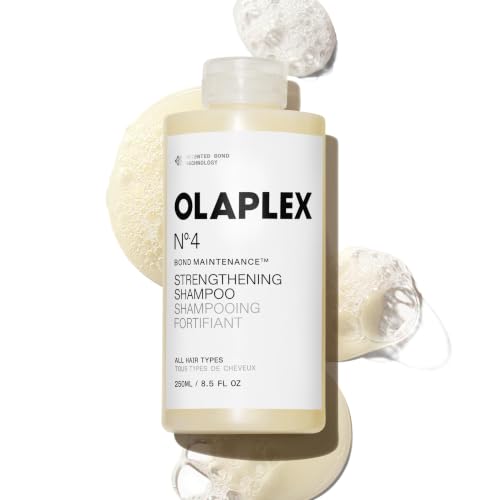
Olaplex Nº.4 Bond Maintenance Shampoo is a repair shampoo. It carries the chemistry the brand built its name on into the wash step, so the shampoo is doing a version of the same work as the Nº.3 treatment rather than simply cleaning.
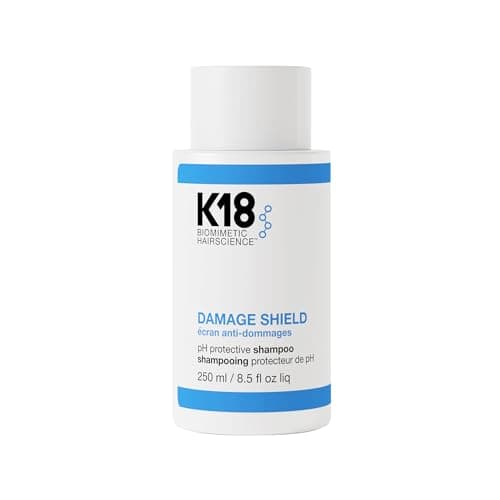
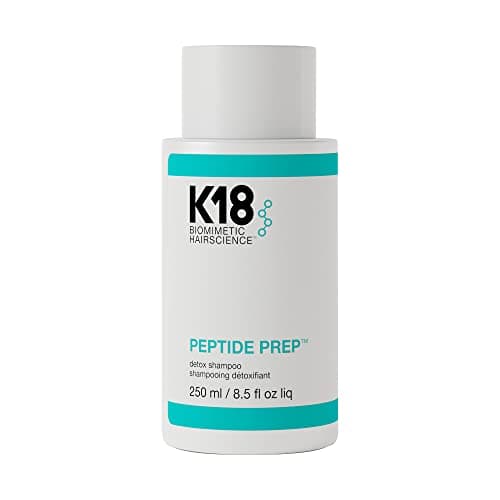
K18's shampoos are not repair products at all, and K18 is straightforward about it. Damage Shield is positioned as a pH-protective everyday wash: the maker states the formula mimics hair's natural pH and reduces cuticle swelling during washing, which it links to less frizz and better color retention (K18, Damage Shield product page). Peptide Prep is a weekly clarifier aimed at buildup, sebum and the metals in tap water (K18, Peptide Prep product page). In the K18 system the repair happens in the leave-in mask and the oil; the shampoos are there to prepare for it and not undo it.
So the useful form of the question is: do you need repairing or protecting? Hair that is actively breaking from bleach needs the former. Hair that is in decent shape and washed four times a week needs the latter. Buying the wrong half is how people conclude an expensive shampoo did nothing.
If what you actually want is the bond treatment comparison rather than the shampoo one, Olaplex vs K18 puts Nº.3 against the leave-in mask, which is where both brands do their real work.
We have not used these products ourselves. They are chosen from what is in the formula, what those ingredients are documented to do, and whether that matches the problem this page is about — and every product below links to the manufacturer's own page so you can check the formulation claims yourself. The full method is here.
The chemistry, plainly
There is real damage to address here, and it is structural rather than cosmetic. Electron microscopy studies of bleached hair describe cuticle cells separating and breaking, with significant loss of the lipids that normally protect the fiber (bleaching microstructure study, PMC). You cannot condition that back.
Olaplex works through a single patented active, bis-aminopropyl diglycol dimaleate, which the company states targets broken disulfide bonds inside the strand rather than sitting on the surface. Nº.4 puts that active in a shampoo base.
K18 works through a biotech peptide, sh-Oligopeptide-78, which the brand states reconnects polypeptide chains broken by bleach, color and heat. In the shampoos the peptide is present at a supporting level — K18 says it helps reduce protein loss during washing, which is a protective claim rather than a repair one.
One practical point neither brand leads with: pH matters in a shampoo. Alkaline washing swells the cuticle, and a swollen cuticle loses more color and more protein down the drain. K18 states Damage Shield is pH-optimized to mimic hair's own pH, and Peptide Prep is stated at pH 3.8 to 4.2 so that clarifying does not have to mean stripping. That is a legitimate mechanism and it is the strongest thing on K18's side of this comparison.
A second point that trips people up: neither of these is sulfate-free in the strict sense you may be looking for. K18's surfactants are a sulfonate and a sulfoacetate rather than sodium lauryl sulfate, and the brand never claims sulfate-free. If avoiding sulfates entirely is your actual requirement, the sulfate-free guide explains what the label words mean and the color-safe shortlist has cheaper options that are.
Side by side
| Olaplex Nº.4 | K18 Damage Shield | K18 Peptide Prep |
|---|
| Category | Repair shampoo | Protective everyday shampoo | Weekly clarifier |
|---|
| Active | Patented bond-building active | Peptide, at a supporting level | Charcoal + salicylic acid, plus peptide |
|---|
| Main claim | Repairs and maintains bonds | Reduces cuticle swelling during the wash | Removes buildup, sebum and water metals |
|---|
| How often | Every wash | Every wash | Weekly, per the brand |
|---|
| Best hair for it | Medium to coarse, colored regularly | Any type, frequent washers | Hard water, buildup, any type |
|---|
| Sulfate-free? | Sulfate-free per the brand | No SLS, but not claimed sulfate-free | No SLS, but not claimed sulfate-free |
|---|
| Weak point | Can be too much for fine hair | Premium price for a modest claim | A weekly product at a daily price |
|---|
Which one your hair needs
Bleached, highlighted or regularly colored, and currently snapping. Olaplex Nº.4. You want the repair chemistry in the step you already do every wash, and the shampoo is the cheapest way to get more of it into the routine. Pair it with the treatment rather than instead of it — bond repair treatments explains why the shampoo alone is not the whole answer, and the bleached-hair shortlist has the cheaper alternatives if the price is the sticking point.
Fine hair, colored or not. K18 Damage Shield. Olaplex Nº.4 is formulated for medium-to-coarse hair and fine hair often reads it as heavy — the brand's own consumer survey for Damage Shield reports hair not feeling weighed down, and a light finish is the thing fine hair actually needs from a shampoo. Shampoos for fine hair has the far cheaper options that do the same job.
Washing four or more times a week. K18 Damage Shield. At that frequency the cumulative effect of the wash itself is the main variable, and a pH-optimized wash is a sensible thing to spend money on. The AAD's general guidance is to match washing frequency to hair type rather than following a rule (AAD, tips for healthy hair), and how often to wash your hair works through the variables.
Hard water, or a routine that has quietly stopped working. K18 Peptide Prep — and this is the clearest win for K18 in the whole comparison, because Olaplex has no direct equivalent. Mineral and metal deposits from hard water genuinely change how hair behaves, and hard water and your hair covers the problem. Be honest with yourself about whether you need the metal claim, though: a drugstore anti-residue shampoo removes ordinary buildup perfectly well, as the clarifying shortlist shows.
Hair that is dry rather than damaged. Neither. This is the most common mismatch in the category — dryness is a moisture problem and both of these are protein and bond products. The dry and damaged shampoo shortlist separates the two, and protein overload is what happens if you keep going anyway.
Cost, and the question worth asking first
Both ranges sit in the salon price bracket, and the shampoos are priced like treatments rather than like shampoos. We do not quote figures in copy — the live price is on each card above, with the date it was checked — but the shape is stable: all three of these cost several times a drugstore bottle, and K18's weekly clarifier costs the same as its everyday shampoo despite being used a quarter as often.
Which makes the first question a budget question rather than a brand question. If you can afford one premium product in this category, it should not be a shampoo. A shampoo has seconds of contact time before it goes down the drain; a treatment or a mask has minutes. Spending the money on Nº.3 or the K18 mask and washing with a good sulfate-free drugstore shampoo gets more repair per dollar than the reverse, and what an expensive shampoo actually buys you works that argument through properly.
The one exception is the clarifier. A weekly wash that resets buildup changes how well everything else in your routine works, and that is a real multiplier rather than a marginal gain — though a cheap clarifier captures most of it.
There is also a duplication trap worth naming, because both brands sell a full range and both are happy to sell you all of it. The shampoo, the conditioner, the mask and the oil in one range do not stack into four times the effect; the treatment does the heavy work and the rest of the range is built so as not to undo it. Two products from one range, chosen for the two steps with the longest contact time, is a better routine than five products chosen for the logo — and mixing brands across steps is fine, which is the thing both brands' marketing is least keen for you to notice.
Who should buy neither
- Hair that has never been chemically treated. If you have never colored, bleached, relaxed or permed, there is no bond damage to repair and these are expensive shampoos solving a problem you do not have.
- A flaking or itchy scalp. Neither has a scalp active. You want salicylic acid, zinc pyrithione or selenium sulfide — dandruff shampoos here.
- Brassy blonde or yellowing gray. No toning pigment in either — purple shampoos here.
- Curly and coily routines built around co-washing. A repair shampoo every wash is the wrong shape for that routine — curly cleansers and the coily routine are the better starting points.
- Anyone on a tight budget with badly damaged hair. Buy the treatment, not the shampoo. That is the single highest-value sentence on this page.