Do this first
Before any of this: the American Academy of Dermatology is clear that effective treatment for hair loss starts with finding the cause, and that getting an accurate diagnosis means seeing a board-certified dermatologist (AAD, hair loss diagnosis and treatment). Thyroid disease, low iron, hormonal change and medication all cause shedding, and no cosmetic product on this page addresses any of them.
That is not a disclaimer we are getting out of the way. Male pattern hair loss is progressive, and the treatments with the strongest evidence are medical. A cosmetic serum does not address it. If you are in the first year or two of visible thinning, the appointment is worth more than anything on this page — and nothing here stops you buying a serum as well.
Why men look for a non-minoxidil option
Usually one of four reasons, and they are all reasonable.
The commitment. Minoxidil is applied once or twice a day, and the AAD's guidance notes it generally takes six to twelve months to judge and has to continue to maintain any result (AAD, hair loss diagnosis and treatment). That is a long-term habit, not a purchase.
Side effects. Scalp irritation and itching are the common ones — the 2015 rosemary oil trial recorded scalp itching as more frequent in its minoxidil group (Panahi et al., SKINmed 2015).
The shedding phase. An initial increase in shedding is well known and hard to sit through.
You are not sure you are losing hair yet. The most common case. Wanting to do something low-stakes while you work out whether this is thinning or a bad haircut is a sensible instinct, and shedding versus loss is the page that tells them apart.
What the evidence is, pick by pick
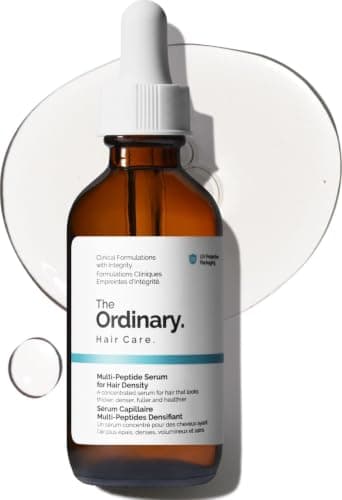
Peptide serums. The rationale is ingredient-level: peptides are signaling molecules, and the formulas are built on that logic. The Ordinary states its own claim as improving the appearance of thickness and fullness, which is an appearance claim, and we would rather repeat it as written than inflate it — the full brand review goes through the rest of that range, including the one other product in it worth owning.
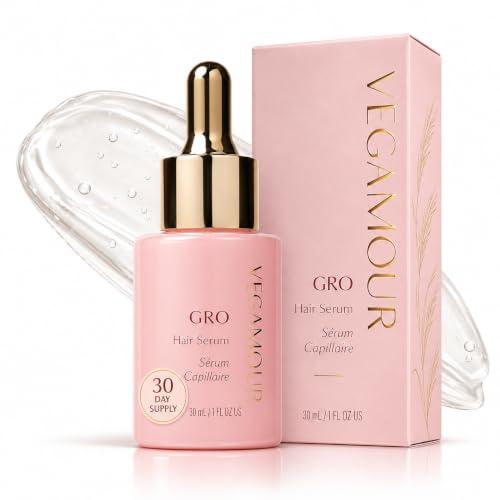
Vegamour GRO. The headline figures come from a 120-day study of 40 participants reporting on their own hair. That is a consumer perception study — people saying what they think they see — not a controlled measurement of hair count. To the brand's credit it publishes the details rather than hiding them.
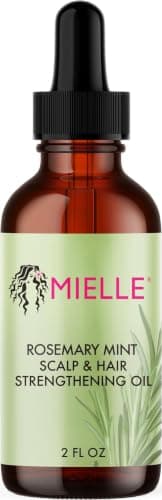
Rosemary oil. The one ingredient here with a randomized trial: 100 participants with androgenetic alopecia, rosemary essential oil against 2% minoxidil, both groups showing a significant increase in hair count at six months with no significant difference between them (Panahi et al., SKINmed 2015). One trial, 100 people, one site. Encouraging, and not a body of evidence — the full read of that trial covers what it does and does not show.
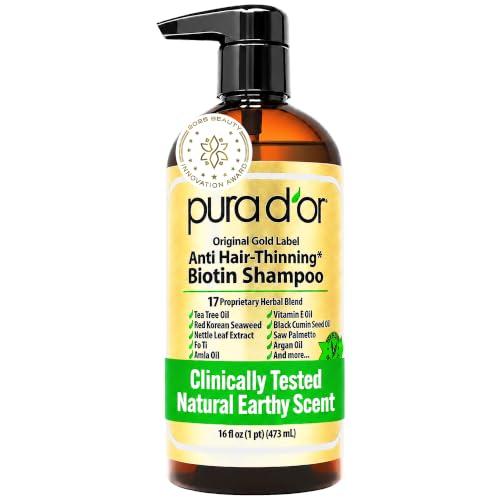
Biotin shampoos. Biotin supplementation helps people who are biotin deficient, which is rare. In a shampoo it is a cosmetic ingredient with seconds of contact time — the biotin question goes through what the evidence supports.
We have not used these products ourselves. They are chosen from what is in the formula, what those ingredients are documented to do, and whether that matches the problem this page is about — and every product below links to the manufacturer's own page so you can check the formulation claims yourself. The full method is here.
The four, compared
| Pick | Format | Evidence behind it | Daily effort |
|---|
| The Ordinary Multi-Peptide Serum | Leave-in scalp serum | Ingredient rationale; appearance claim by the brand | One application a day |
|---|
| Vegamour GRO Hair Serum | Leave-in scalp serum | 40-person consumer perception study | One application a day |
|---|
| Mielle Rosemary Mint Oil | Scalp and hair oil | One randomized trial of the ingredient, 100 people | Twice a week, and it needs washing out |
|---|
| Pura d'or Gold Label Shampoo | Shampoo | Manufacturer claim about thinning from breakage | None — it replaces your shampoo |
|---|
What to expect, and when
Hair grows roughly half an inch a month, so nothing in this category can show a result quickly. Three to six months of consistent daily use is the minimum before you can judge anything, and the honest expectation for a cosmetic serum is hair that looks and feels thicker rather than more hairs on your head.
Two things that genuinely help in the meantime, and cost nothing. First, stop losing length to breakage: most men who think they are thinning at the ends are breaking hair, and a conditioner that gives slip addresses that directly. Second, protect the scalp — sun exposure on a thinning crown is the most-ignored item in men's hair care, and the AAD's hair loss management guidance covers the handling side of this (AAD, hair loss: tips for managing).
Take a photograph in the same light every month. Memory is an unreliable instrument for this, and a serum you cannot evaluate is money you cannot assess.
When a serum is the wrong purchase
If hair is coming out in patches. That pattern is not male pattern loss and needs a diagnosis, not a cosmetic (AAD, types of hair loss).
If the shedding started suddenly. Illness, stress, medication and nutritional causes all produce sudden shedding, and all are treatable at the cause — why hair thins runs through the list.
If your scalp is itchy, flaking or sore. Treat the scalp first. A serum on an inflamed scalp is the wrong order of operations, and a dandruff shampoo or clearing buildup may be the actual job.
If your hair is fine rather than thinning. Fine is a strand diameter, not a count. A volumizing shampoo makes fine hair read fuller for a fraction of the cost — the men's wash shortlist has the one we would use.
And if you want to see how a non-minoxidil serum stacks up against the drug directly, Vegamour against minoxidil sets the two side by side, and the general non-minoxidil shortlist covers the same category without the male-pattern framing.