What the original actually does, and why that is hard to replace
Credit first, because it frames the whole page. It's a 10 Miracle Leave-In is a spray that the brand positions around ten claimed benefits — detangling, frizz control, shine, thermal protection among them — and the practical value is not any one of those. It is that one bottle replaces two or three.
That matters because the step itself is worth doing. The American Academy of Dermatology's guidance on leave-in conditioner is specifically about reducing the force needed to comb wet hair (AAD, tips for using leave-in conditioner), and wet combing is when hair breaks. A spray that makes that easier, applied evenly because the format controls the dose, is a genuinely useful product.
The honest consequence: no single product in this registry replaces all ten claims. So the useful question is which part of the bottle you actually use, and the answer is usually one of three:
- Slip and detangling. The most-used benefit by a wide margin, and the cheapest to replace — every pick below does this.
- Moisture on dry lengths. The spray is light. If your hair is coarse, curly or high porosity, a cream does this better for similar money.
- Heat protection. The one claim this registry cannot match product for product, and the section below says so plainly rather than implying a substitute.
A master-of-none is a real criticism and also the point of the thing. If you use all three benefits and do not want three bottles, the original is doing something for you that this page cannot.
How we picked these five
1. Leave-in step only. Everything here goes on damp hair after washing and stays. No rinse-out conditioners padding the list, and no oils — an oil seals, a leave-in conditions, and they are not interchangeable.
2. One pick per reason people leave. Price, not rich enough, silicones, or wanting repair instead. Four different complaints, four different answers, rather than five versions of the same bottle.
3. A live price on every pick. Each of these is pinned to a current retailer listing, so the number on the card is today's rather than a figure we remembered. That also means none of them is a product we cannot confirm is on sale.
4. Protein and silicone stated. Two of these lean protein and one is explicitly silicone-free. Permed, bleached and colored hair all react to those differently, and protein overload has the strand test if you are not sure where you sit.
5. No scores, and nothing we claim to have tested. Each pick carries an editorial role and a specific disqualifier instead of a number.
We have not used these products ourselves. They are chosen from what is in the formula, what those ingredients are documented to do, and whether that matches the problem this page is about — and every product below links to the manufacturer's own page so you can check the formulation claims yourself. The full method is here.
The five, side by side
| Alternative | Format | Replaces which benefit | Silicone-free? | Price bracket |
|---|
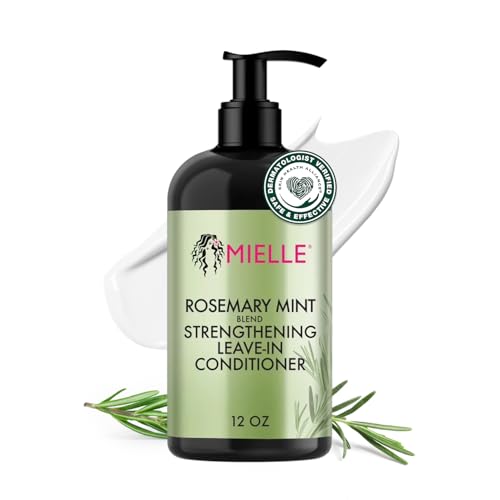
| Mielle Rosemary Mint Strengthening Leave-In | Light cream | Slip, daily conditioning | Not stated | Below the original |
|---|
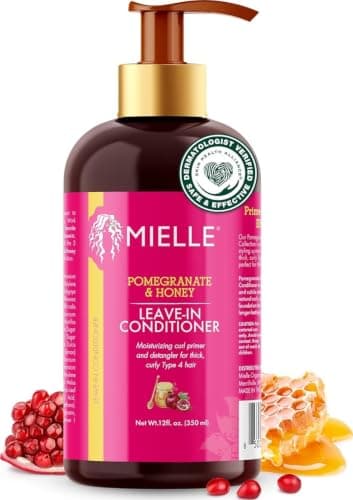
| Mielle Pomegranate & Honey Leave-In | Cream primer | Slip plus moisture | Yes, per the maker | Below the original |
|---|
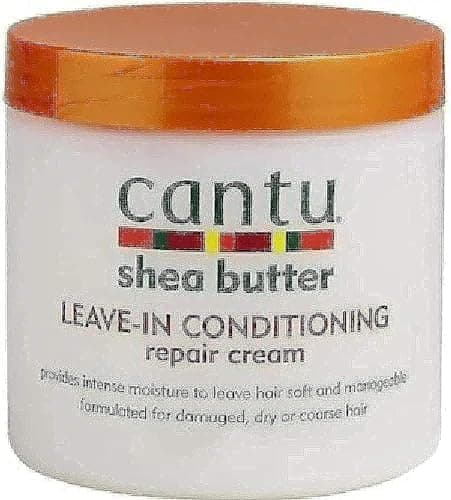
| Cantu Shea Butter Leave-In Repair Cream | Rich cream | Moisture on coils | Yes, per Cantu | About the same |
|---|
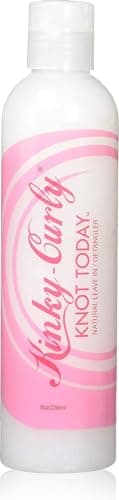
| Kinky-Curly Knot Today | Light cream | Detangling, curl-safe routines | Yes, per the maker | Slightly above |
|---|
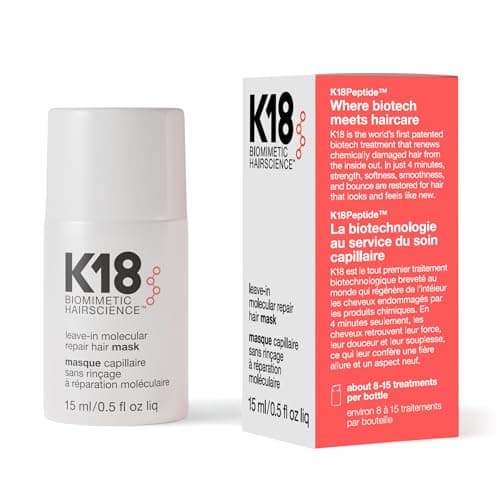
| K18 Leave-In Molecular Repair Hair Mask | 4-minute leave-in treatment | Repair, not conditioning | Yes, per K18 | Well above |
|---|
Note the third column. Four of the five replace a conditioning benefit and cost the same or less; the fifth replaces a benefit the original never claimed. If you came here because your leave-in was not repairing damage, that is not a product failure — a leave-in conditions, and repair is a different category with different contact time.
The cheaper swap, in detail
"Cheaper alternative to It's a 10" is a specific search with a specific answer, and it is worth saying what you give up as well as what you save.
A light cream leave-in at supermarket money gives you the benefit you use most: enough slip to comb wet hair without tearing it. That is the part that keeps length, and it is not a premium feature. The trades:
- Format. A spray self-doses and spreads evenly. A cream needs you to emulsify it in your palms and work it through, and over-application shows up as weight rather than gloss.
- Breadth. You are buying one or two benefits, not ten. If you were genuinely using the spray as detangler, smoother and heat protectant, replacing it with one cream leaves a gap.
- Scent and feel. The mint in the cheapest pick is noticeable and is a genuine disqualifier on a sensitive scalp, which is why it says so on the card.
- No heat claim. See the heat section below. This is the one gap we are not going to paper over.
If what you want is the leave-in category ranked for your hair rather than one bottle replaced, the best leave-ins for dry hair is the right page, and leave-ins for curly hair covers the definition side.
If silicone is why you are leaving
This is a legitimate and common reason, and it narrows the list sharply.
The original contains silicones, which is where a lot of its immediate slip and smoothness comes from. Silicone is a trade rather than a flaw: the film spreads thinner than a plant emollient and repels water better, so it wins on humidity and on detangling. It also accumulates, which on porous hair gradually seals conditioner out — so a silicone routine needs a clarifying wash every few weeks to keep working.
Three of the picks above are silicone-free per their makers, and they are the list if you follow a curly-girl routine or you have decided to stop clarifying. The honest cost is a little less instant smoothness and a little more work with a comb. The silicone-free guide sets out what you gain and give up, and a clarifying shampoo is what makes the silicone route sustainable if you stay on it — the same reset a dry shampoo routine depends on.
The heat-protection gap, stated plainly
The original is positioned by its maker as a thermal protectant as well as a leave-in. That is one of the reasons people buy it, so here is the honest position rather than a substitute.
None of the five picks above is sold as a heat protectant with a stated temperature. This registry carries no dedicated heat protectant either — the obvious candidates were checked more than once and their manufacturer pages could not be read to verify the formulation claims, so nothing was added rather than guess. We are not going to imply a cream protects your hair at 400°F because it feels smooth.
What that means practically. If you flat-iron or blow-dry on high regularly, the spray is doing a job on this page nothing else does, and the sensible move is to keep it for that and buy a cream for the conditioning step — or to buy a dedicated heat protectant, which is a product category rather than a leave-in benefit. Whether you need a heat protectant answers that for your hair, and the short version is yes for anything lifted, colored or chemically processed.
If you air-dry, the gap costs you nothing and the cheap picks are a straight saving.
Spray, cream, and how much to use
Most disappointment with a leave-in swap is a format problem rather than a product problem, because a spray and a cream want completely different handling.
- Damp, not wet, and not dry. Squeeze the water out with a towel or t-shirt first. A leave-in on dripping hair is diluted to nothing; on dry hair it lands in patches.
- Emulsify a cream before it touches your hair. A pea to a nickel in the palms, rubbed together, then raked through. This is the step people skip, and skipping it is what makes a cream feel heavy when the same dose spread properly does not.
- Lengths and ends only. Nothing here belongs at the roots — greasy roots with dry ends is often self-inflicted at exactly this step.
- More for the back than the front. The nape takes the most friction from collars and pillows, is almost always the driest section, and almost always gets the least product.
- Then stop touching it. Rake, scrunch once if you have texture, and leave it alone while it dries.
- Order matters more than brand. Leave-in first, cream or gel over it, oil last — the order products go in is worth two minutes before you blame a new bottle.
When to keep buying It's a 10
Three situations where the multitasker is the right purchase and switching is a downgrade.
You heat-style and you own one product. Covered above. Replacing a spray with a stated thermal claim with a cream that makes none is not a saving, it is a gap.
Your hair is fine and a cream flattens it. Fine hair is where the spray format earns its keep, because you cannot over-apply it the way you can over-apply a cream. Of the picks above only the two lightest are plausible here, and fine-hair finishing products is the page that covers this constraint properly.
Three bottles will not happen. The best routine is the one you actually do. If the realistic alternative to one multitasker is nothing at all, the multitasker wins — and the five-product starter kit is built on exactly that logic, which is why the spray is in it.