The five categories, and the job each one does
A hair care routine is not a product list, it is five jobs. Most people own eight products that do three of them and wonder why nothing has changed.
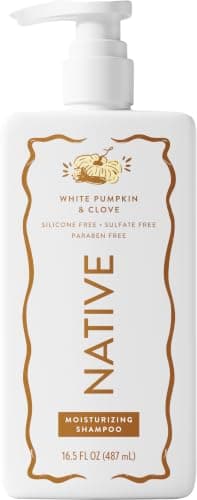
1. Cleanse. A shampoo removes sebum, sweat, dead skin and whatever you put on your hair yesterday. This is a scalp product. It is washed off, so a basic shampoo should be gentle and unremarkable rather than clever.
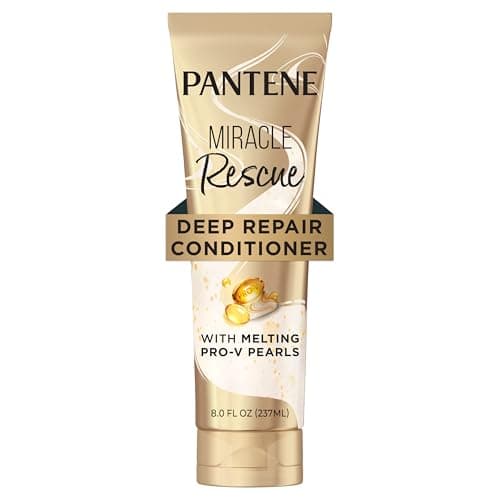
2. Condition. A rinse-out conditioner replaces the slip the shampoo removed, flattens the cuticle back down and makes hair possible to comb. This is a lengths product, and it is the highest-value item on this page. The American Academy of Dermatology puts conditioning after every wash near the top of its everyday hair care list for anyone whose hair is dry or damaged (AAD, everyday hair care).
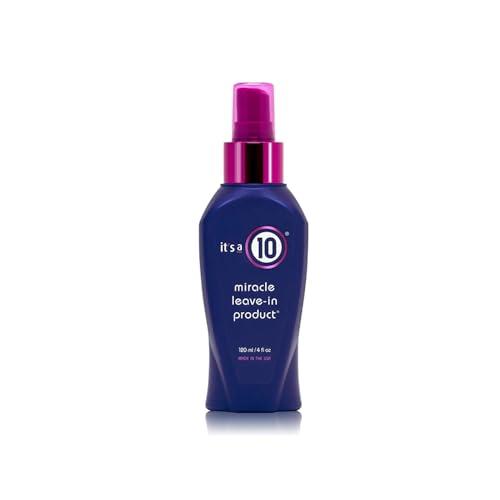
3. Protect and detangle. A leave-in stays on damp hair and keeps working after the shower: less friction while you comb, less roughness while it dries, and some heat protection if you use a dryer or an iron. The AAD notes a leave-in is most useful on dry, coarse, curly or chemically treated hair, and that less is more (AAD, leave-in conditioner tips).
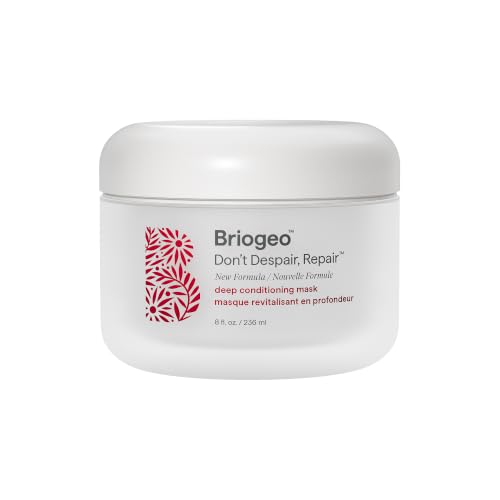
4. Treat, weekly. A mask is a conditioner with more of everything, left on longer. Once a week is where a basic routine stops being basic and starts looking like you are trying.
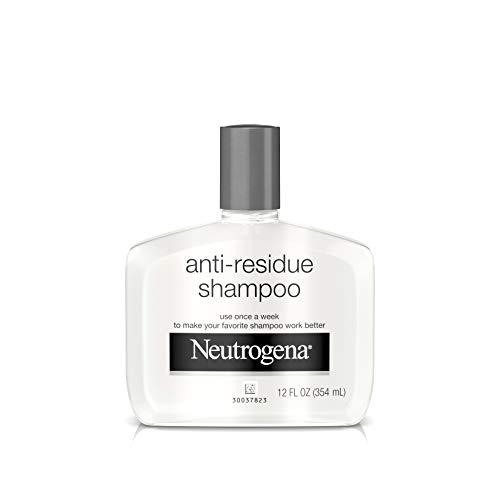
5. Reset, monthly. Conditioner, leave-in, oil, dry shampoo and hard water all leave something behind. A clarifying wash once a month takes it off. This is the step nobody buys and everybody needs, and skipping it is the usual reason a routine that used to work has gone flat.
Why these five products and not others
Three rules decided the shortlist, and they are worth more than the specific bottles.
A basic product should be neutral, not targeted. A thinning-hair shampoo, a purple shampoo and a dandruff shampoo are all good products and none of them is a basic shampoo — they are answers to questions you may not be asking. The starting shampoo here is sulfate-free with a deliberately short formula precisely because it is not trying to solve anything.
One product should do more than one job where it honestly can. The leave-in on this list is a detangler and a heat protectant, which collapses two purchases into one. That is a real saving. What it is not is a substitute for conditioner, and nothing marketed as an all-in-one is.
Price should match how fast you get through it. Shampoo and conditioner go quickly, so cheap matters there. A mask lasts months at once a week, so paying more costs very little per use. A clarifier lasts a year. That is why the two pricier picks here are the two you use least.
What we did not use to choose them: star ratings, review counts or a score. Each pick carries the role it plays and a specific reason to skip it instead.
We have not used these products ourselves. They are chosen from what is in the formula, what those ingredients are documented to do, and whether that matches the problem this page is about — and every product below links to the manufacturer's own page so you can check the formulation claims yourself. The full method is here.
What order they go in
Order matters more than brand, and getting it wrong wastes product. In the shower: shampoo at the scalp, rinse, conditioner on the lengths and ends only, leave two minutes, rinse. Out of the shower, on damp hair: leave-in through the mid-lengths and ends, then any styling product, then heat.
The weekly mask replaces the conditioner that day rather than joining it. The monthly clarifier replaces the shampoo, and that is the one day you should definitely follow with the mask, because clarifying leaves hair squeaky. The full sequence, including where oils and creams land, is in the order-of-application guide.
Two things that are free and do more than any upgrade: wash with lukewarm rather than hot water, and detangle with a wide-tooth comb from the ends upward rather than from the roots down.
What you can skip, and for how long
Hair oil. Useful, not basic. It is a finishing product for shine and frizz, and it does nothing a mask does not do better for dryness. Add it when your ends look dull — the oil shortlist is here.
Bond repair. Genuinely good products aimed at one specific kind of damage: broken disulfide bonds from bleach, perms or relaxers. If your hair has never been chemically processed you do not have that damage, and the bond repair explainer exists mainly to say so.
Scalp serums and growth products. A separate category with a separate evidence base, and not part of a basic routine.
Dry shampoo. A convenience product rather than a care product. It extends the time between washes; it does not replace one.
A separate heat protectant. Only if your leave-in does not already claim it, or if you use an iron daily — the question is worked through in do you need a heat protectant.
What to add first, once the basics are in
Add in the order your hair complains, not the order the aisle is arranged in.
- Frizz or undefined curl — a curl cream or a gel, not more conditioner. Start with the curly shortlist.
- Greasy roots by day two — a dry shampoo, and a look at washing frequency.
- Color fading fast — swap the shampoo for a color-safe one before buying anything new.
- Flaking or itching — a medicated shampoo with a named active, which replaces your basic shampoo rather than joining it.
- Breakage mid-length — a stronger leave-in and a protein-containing mask, in that order.
If you are not sure which of those you are, the two diagnostics worth doing first are the porosity test and an honest look at strand thickness; the routine-by-hair-type guide is built around both.
What a basic kit costs, and where to save
Four of the five categories have a perfectly good drugstore answer. Shampoo, conditioner and clarifier are all places where paying more buys fragrance and packaging rather than performance, and the drugstore shortlist covers the cheap end properly. A single supermarket run can cover the whole list — the Walmart version of this kit is here.
The one place extra money reliably shows up is the weekly mask, because it is the most concentrated product in the routine and the one you use least. If you spend more on exactly one thing, spend it there — the full where-the-money-matters argument goes through the categories one at a time.
One honest note on expectations: products manage hair, they do not change what grows out of your scalp. The AAD's healthy hair guidance is largely about handling — heat, tension, chemistry and washing frequency — rather than purchases (AAD, tips for healthy hair), and that remains the cheapest upgrade available.