What Batiste is good at, and it is more than people admit
This page has to start by being fair, because the honest summary of Batiste is that it is very good at the thing it is for.
It is the price floor of the category and it absorbs oil properly. It is stocked in every supermarket, drugstore and airport in the country. It comes in a large range of scents and in tinted versions for dark and brunette hair. Nothing on this page beats it on availability or on cost per use, and most of what it is criticized for is true of every starch-based dry shampoo at any price.
It is worth knowing what the category does in general before deciding to pay more for it. A dry shampoo adds absorbent powder to soak up sebum so the root reads clean; it removes nothing, so at the end of the day there is more on your head than there was in the morning. The American Academy of Dermatology's own dry shampoo guidance is worth reading before building a routine around any of these (AAD, dry shampoo tips), and whether dry shampoo is bad for your hair is our longer answer.
So the framing for this page, stated up front: every alternative below costs more than the thing it replaces. There is no cheaper swap, because there is nothing cheaper that works. Each one buys a specific improvement, and the rest of this page is about whether the improvement you want is one you will actually notice.
The three reasons people leave
Nearly every version of this search comes down to one of three complaints, and they point at different products.
- The white cast. A starch powder is white, so on dark hair it reads gray at the roots until it is worked in. This is the most common complaint and the easiest to solve — sometimes without changing brand at all.
- Buildup. Heavy use leaves a layer at the root that traps oil against the scalp, so hair looks greasy sooner after the next wash. People experience this as "my hair got oilier" and respond by using more, which is the wrong direction.
- Scalp irritation or the aerosol itself. A propellant spray on a sensitive or already-flaking scalp is not ideal, and some people simply do not want an aerosol.
Those three map onto the three sections below. If you cannot tell which is yours, the tell-tale is timing: a problem you see in the mirror immediately after spraying is the cast; a problem that shows up on wash day is buildup; a problem you feel rather than see is the scalp.
How we picked these four
1. Four, not a padded five. Every pick here is pinned to a live retailer listing with a current price, because a page about whether an upgrade is worth the money is useless if the money is a guess. The registry's non-aerosol powder option has no resolvable single-unit listing today, so it is discussed in the format section rather than ranked with a price we cannot show.
2. One pick per complaint, plus the salon tier. Scalp, buildup, finish. The fourth is there because "what does the expensive one actually buy" is a fair question and the answer is not nothing.
3. Honest about tint. A tinted or charcoal formula solves the cast on dark hair and creates the opposite problem on very light hair. Every card says which way it leans.
4. No pick is cheaper than the original. Stated rather than hidden. The cheapest upgrade here is roughly double the price floor, and the most expensive is several times it.
5. No scores, and nothing we claim to have tested. Each pick carries an editorial role and a specific disqualifier instead of a number.
We have not used these products ourselves. They are chosen from what is in the formula, what those ingredients are documented to do, and whether that matches the problem this page is about — and every product below links to the manufacturer's own page so you can check the formulation claims yourself. The full method is here.
The four, side by side
| Alternative | Solves | Format | Hair color it suits | Price vs Batiste |
|---|
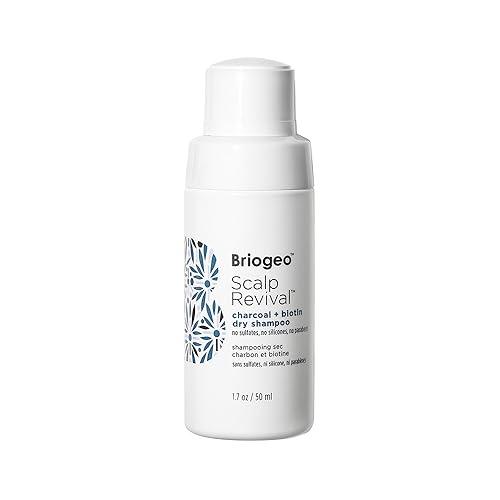
| Briogeo Scalp Revival Charcoal + Biotin Dry Shampoo | Scalp comfort, cast on dark hair | Aerosol, charcoal-based | Mid to dark | Smallest step up |
|---|
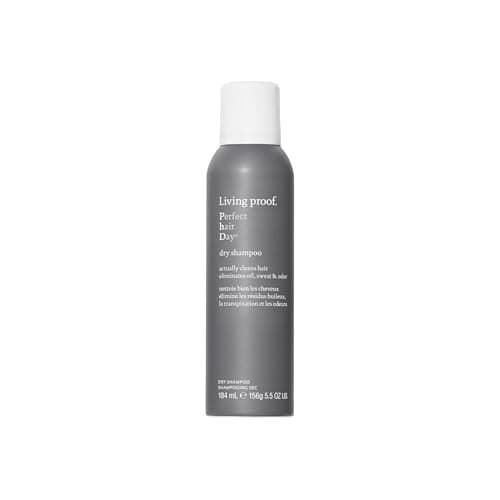
| Living Proof Perfect hair Day Dry Shampoo | Buildup | Aerosol | All, least cast of the four | Moderate step up |
|---|
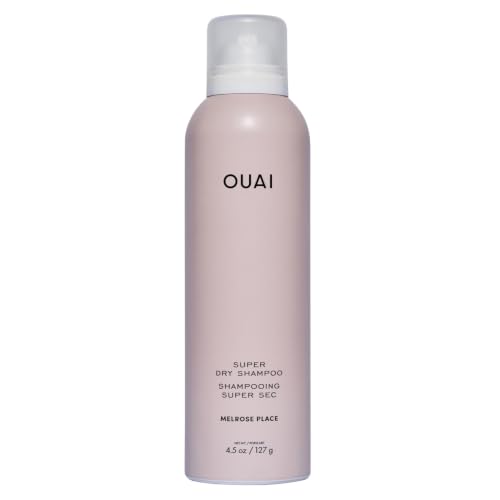
| OUAI Super Dry Shampoo | Powdery look and feel | Aerosol | All | Moderate step up |
|---|
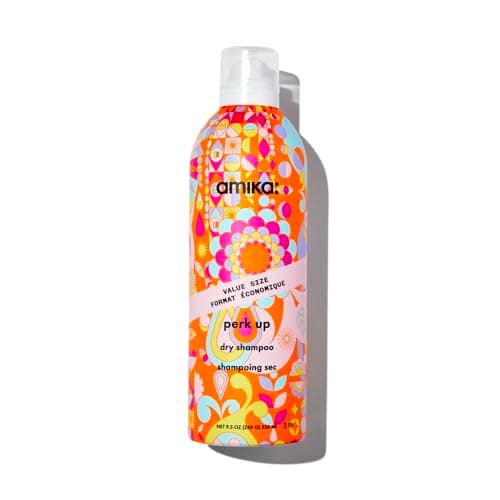
| amika Perk Up Dry Shampoo | Oil plus grip and volume | Aerosol | All | Several times the price |
|---|
Read the last column honestly. This is a category where the cheap option works, so the question is never "which is best" but "is the specific improvement worth the specific money to me". For a lot of readers the answer on the bottom row is no, and we would rather say that than rank by price. We work the same question through at the wash step in the Pureology alternatives, where the premium bottle has a better argument than it does here.
If the white cast is the problem
Try two free things before you buy anything, because they fix this more often than a new brand does.
Spray it the night before. Dry shampoo needs time and friction to disappear into the hair. Applied at bedtime it works overnight on a pillow and there is no cast in the morning — this single change solves the complaint for most people. And hold the can further away than feels right, about ten to twelve inches, in short bursts at the part rather than one long spray at the root.
If it still shows, the fix is a tinted or dark-pigment formula rather than a more expensive white one. The charcoal pick above leans dark, and Batiste's own tinted versions solve the same problem without leaving the brand — which is a legitimate outcome of this page. Dry shampoos for dark hair is the page scoped entirely to this problem and names the options properly.
On very light blonde or silver hair the problem reverses: a charcoal or tinted formula reads dirty, and a plain white starch is correct. That is one of the few cases where the cheapest bottle in the category is also the right one.
If buildup is the problem
This is the complaint worth spending money on, because it is the one where formulas genuinely differ.
All dry shampoos leave residue — that is the mechanism. What varies is how much, how easily it brushes out, and how quickly the layer starts holding oil against the scalp. The pick above is on this page specifically because it is the one that leaves least behind, and if you are using dry shampoo three or four days a week, that difference compounds in a way a single use never shows.
Two things matter more than the brand, though:
If your roots are greasy by day two in the first place, the upstream fix is the wash rather than the refresh — shampoos for oily hair and how often to wash your hair are the two pages that usually explain it.
If the aerosol itself is the problem
Two separate complaints get bundled here, and only one of them has a product answer.
A sensitive or flaking scalp. A propellant spray onto skin that is already irritated is not helping, and a charcoal or scalp-focused formula applied to the part rather than the whole head is the gentler route — the pick at the top of this page is that one. But be honest about the diagnosis: greasy yellowish flakes with a returning itch are dandruff rather than residue, and that needs an active ingredient (AAD, how to treat dandruff). Our dandruff shampoo picks are the right category, and scalp buildup covers the residue version.
Not wanting an aerosol at all. The answer is a loose or pump powder, which you apply at the part with a brush or fingertips and work in. It gives you more control and no propellant, at the cost of being messier and slower. Powder against spray compares the two formats properly. This registry carries one powder option, and it is not ranked above because we could not pin it to a single-unit retailer listing today — every live listing was a multipack, so we cannot show you an honest price for one bottle.
When to keep buying Batiste
Four cases, and between them they cover most readers.
Your hair is light blonde or silver. A plain white starch is the correct formula and the cheapest one is as good as any. Tinted and charcoal alternatives work against you here.
You use it once or twice a week. At that frequency buildup never becomes the problem the expensive formulas are solving, so you would be paying for a benefit you will not experience.
The cast is your only complaint. Spray it the night before. If that fixes it — and it usually does — you have solved the problem for nothing, and switching brands would have solved it for several times the price.
You travel with it. Availability is a real feature. Replacing a bottle you can buy in any airport with one you have to order is a downgrade in the only dimension that matters when you have forgotten to pack it. For the category ranked on merit rather than against one brand, the dry shampoo shortlist is the page, and dry shampoos for fine hair covers the weight problem specifically.