What Pureology Hydrate is actually for
Worth being precise about this, because it decides whether any of the alternatives below will satisfy you.
Hydrate is a sulfate-free, vegan, concentrated salon shampoo aimed at one specific combination: hair that is both dry and color-treated. Most shampoos address one of those. The sulfate-free cleansing system strips less dye than a conventional surfactant, and the formula is moisture-first rather than volume-first, which is why it is the bottle salons reach for when colored hair also feels thirsty.
The reasoning behind that design is sound. Coloring raises the cuticle and it does not fully close again, and porosity work shows the change reaches different structural levels of the fiber rather than sitting on the surface (porosity and hair dyeing, PMC). Porous hair loses water faster, so a gentler cleanser plus more moisture is the correct response to colored hair, not a marketing position.
People look for an alternative for four reasons, and they need different answers:
- Price per bottle. The most common reason, and the one the concentration section below complicates.
- It weighed their hair down. Hydrate is the moisture-first half of a range. On fine hair that reads as flat, and the fix is a different formula rather than a cheaper one.
- Availability. It is a salon-distribution brand, so restocking is less convenient than picking a bottle up with the groceries.
- Their hair is damaged as well as dry. Hydrate is not a repair shampoo and does not claim to be.
How we picked these five
1. Sulfate-free on every pick. That is the load-bearing property of the bottle being replaced. A cheaper shampoo with a conventional sulfate system is not an alternative to Hydrate; it is a different product that will fade your color faster — the sulfate-free guide explains what that does and does not buy you, and sulfate-free against color-safe separates the two labels, which are not the same claim.
2. A real spread of price tiers. Two supermarket bottles, one mid, two at the same salon tier. "Cheaper" is the most common version of this search, so the bottom of the range is where the detail goes.
3. One pick for the opposite problem. If Hydrate flattened your hair, a richer cheap shampoo makes it worse. There is a weightless pick here for exactly that.
4. Claims read as written. Where a brand's headline figure applies to a full range rather than the single bottle, the card says so.
5. No scores, and nothing we claim to have tested. Each pick carries an editorial role and a specific disqualifier instead of a number.
We have not used these products ourselves. They are chosen from what is in the formula, what those ingredients are documented to do, and whether that matches the problem this page is about — and every product below links to the manufacturer's own page so you can check the formulation claims yourself. The full method is here.
The five, side by side
| Alternative | Sulfate-free? | Best for | Weight | Price bracket |
|---|
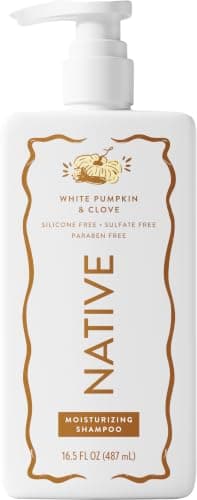
| Native Moisturizing Shampoo | Yes, per the maker | Everyday colored hair | Light to medium | Supermarket |
|---|
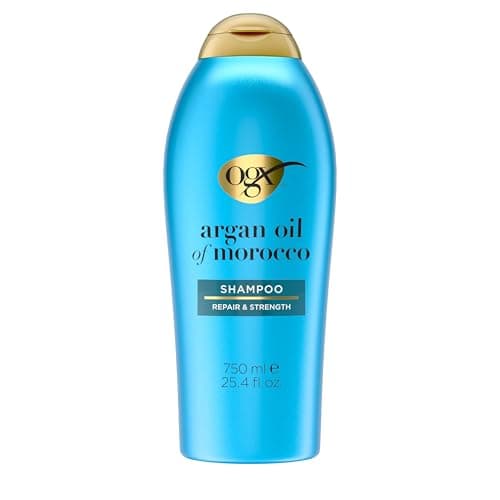
| OGX Renewing + Argan Oil of Morocco | Yes, per the maker | Dry colored hair, tight budget | Medium | Drugstore |
|---|
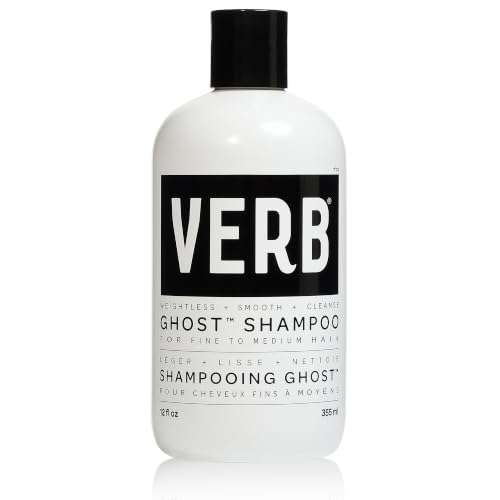
| Verb Ghost Shampoo | No harmful sulfates, per Verb | Fine hair that goes flat | Weightless | Mid |
|---|
| amika The Kure Strength Repair Shampoo | SLES- and SLS-free, per the maker | Colored and damaged hair | Medium, protein-leaning | Salon |
|---|
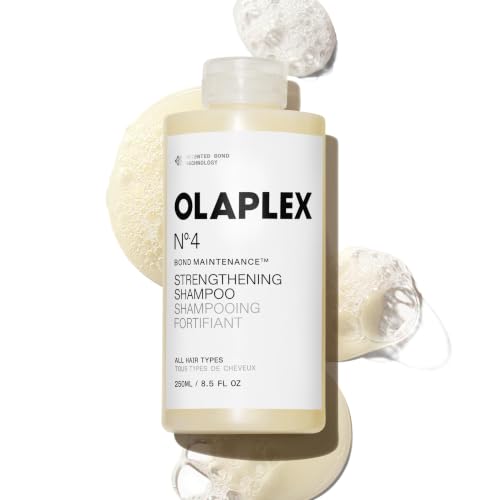
| Olaplex Nº.4 Bond Maintenance Shampoo | Yes, per the maker | Breakage rather than dryness | Medium | Salon, above Hydrate |
|---|
Read the last two columns together. If you are switching to save money, the top two rows are the answer and the rest of this page is about what you give up. If you are switching because Hydrate did not suit you, price is not your variable at all — weight or repair is, and the bottom three rows are where to look.
The concentration argument, which cuts against us
Here is the honest complication in any Pureology-alternatives page, and most of them leave it out.
Hydrate is sold as a concentrate. The practical effect is that a smaller dose lathers and cleans a full head, so the cost per wash is lower than the shelf price implies — on long hair the gap can close a long way. Switching to a supermarket bottle and then using three times as much of it is how people end up spending similar money and liking the result less.
So before you switch on price, do one thing: use half your usual dose of whatever you buy next, on wet hair, emulsified in your palms first. Most people over-apply shampoo by a wide margin, and a cheap bottle used correctly is a genuinely good deal where the same bottle used by the handful is not. The same arithmetic runs through whether expensive shampoos are worth it, which is the page to read if the price gap is the only reason you are here. The same question gets a different answer in a category where the cheap option already works — the Batiste alternatives are all upgrades rather than savings.
What the concentrate does not buy you is a different category of result. It is a gentle, moisture-first, sulfate-free cleanser, and so are the two cheap picks above.
The cheaper alternative, in detail
"Pureology cheaper alternative" is the version of this search with the clearest answer, so here is the specific trade rather than a hedge.
A short-formula supermarket shampoo that is sulfate-free and silicone-free gives you the two properties that matter most for colored hair: a cleanser that does not strip dye, and nothing coating the strand that needs clarifying out later. What you give up:
- Richness. The salon bottle is more moisturizing per wash. On coarse or high-porosity hair you will notice, and the fix is a better conditioner rather than a better shampoo.
- Concentration. Covered above — you will use more of it.
- Fragrance and feel. A real part of what a salon bottle sells, and the cheapest pick here is heavily fragranced in a different, more obvious way.
- Nothing on color retention. Neither cheap pick is a toning or color-depositing shampoo. If brass is the complaint rather than dryness, purple shampoo is the category and the blonde wash pair sets out where it fits in the week.
Our standing recommendation for cheap color-safe washing sits on the drugstore color-safe roundup, which ranks that tier properly and names a sulfate-free bottle most supermarkets stock.
If you used Hydrate Sheer rather than Hydrate
Autocomplete suggests this variant specifically, and it changes the answer completely.
Sheer is the lighter member of the same family — same sulfate-free, color-safe brief, less weight, aimed at fine and fragile hair. If that is the bottle you are replacing, do not buy either of the cheap moisture picks above: they are formulated to deposit more, which is the opposite of what you liked.
The weightless pick on this page is the right slot. It is built for fine hair rather than thinned down for it, and the honest caveat is on its card: it is not moisturizing enough for coarse hair, which is precisely why it works here. Shampoos for fine hair covers the rest of that tier, and hydrating shampoos for colored hair splits the difference if your fine hair is also genuinely dry.
The conditioner question
"Pureology conditioner alternative" is the other half of this search, and it has a simpler answer than the shampoo does.
A shampoo and a conditioner do unrelated jobs — one is a surfactant system that removes, the other a cationic film that deposits — so nothing requires you to buy them as a pair. The practical benefit of a matched set is calibration, not chemistry: the conditioner is built for the richness of that shampoo, so you are less likely to end up coated or stripped.
Our suggestion for colored hair is deliberately mixed: spend little on the cleanser, which only has to be gentle, and put the money into the conditioning step, which has contact time and does the visible work. Conditioners for color-treated hair ranks that step, and conditioner against hair mask explains when the weekly version earns the extra step.
When to keep buying Pureology
Three cases where switching costs you more than it saves.
Your hair is coarse, long and colored. That is the hardest combination to serve cheaply: it wants a gentle cleanser and a lot of moisture in the same wash, and the concentrate genuinely delivers both. The cheap picks will leave you reaching for more conditioner, which eats the saving.
You use a small dose and a bottle lasts you months. Then your cost per wash is already low and the shelf price is misleading you. Work out the real number before you switch.
You found it after a run of shampoos that did not work. Colored hair is where people cycle through bottles longest, and the value of having stopped cycling is worth more than the margin between two sulfate-free cleansers. If you want to economize somewhere, economize on the step with the least contact time — which is the shampoo only once you have a conditioner you trust — color-safe shampoos ranks the whole category if you would rather compare the field than replace one bottle.