Strand&Suds

Oily Roots & Scalp · Our picks

The Best Shampoo for Oily Scalp and Dry Ends

No single shampoo fixes both ends of this problem, because the two ends need opposite things. Buy a weightless shampoo that cleans the scalp properly, keep it off the lengths, and put the moisture on separately. Verb Ghost Shampoo is the pick for most people.

By Janet H.Updated How we pick
#ad

We earn a commission if you buy through our links, at no extra cost to you. It never decides the ranking — the method is published · Affiliate disclosure

The short answer

Quick picks

#ProductBest forKey ingredientPrice
1
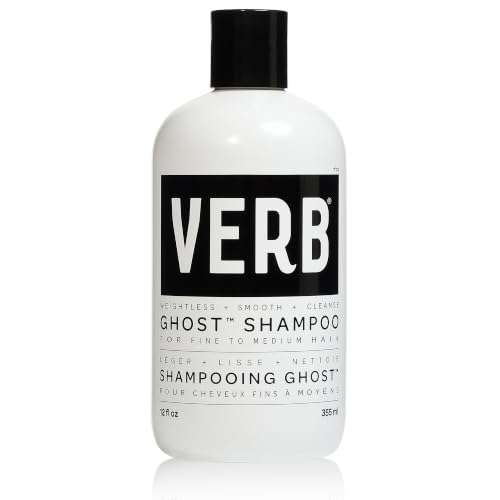
Verb Ghost Shampoo
Verb Ghost Shampoo

The whole problem with a conditioning shampoo is that it treats your scalp like your ends. This one cleans without leaving conditioning agents behind at the roots, which is exactly the right trade when the roots are the greasy part.

Best overall shampoo for thisMoringa oil and green tea extract as light conditioning agents that do not deposit weight$22.00Amazon
2
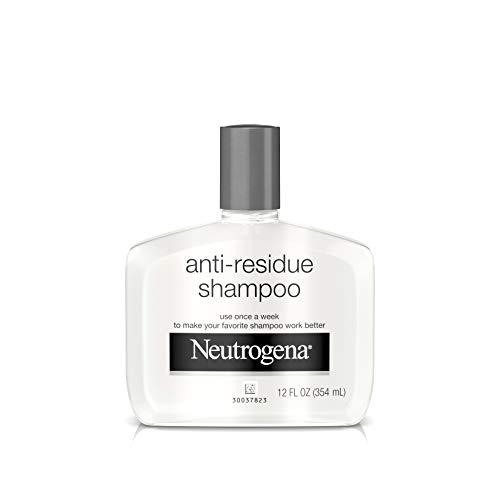
Neutrogena Anti-Residue Shampoo

Greasy roots that got worse over months are usually buildup wearing an oil problem's clothes. One clarifying wash every three or four weeks strips the film and tells you what your scalp is actually doing.

The monthly resetA residue-removing cleansing system the manufacturer states clears up to 90% of buildup from shampoos, conditioners and styling productsCheck price · Amazon
3
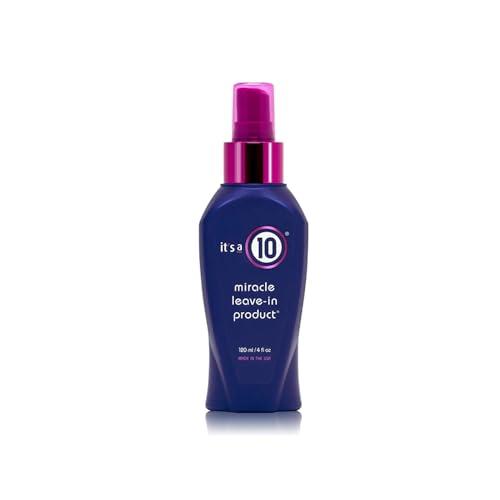
It's a 10 Miracle Leave-In Product

A spray leave-in, mid-lengths down only. This is the product that makes keeping conditioner off your roots survivable.

For the ends — step oneConditioning agents and silicones that give slip for detangling and reduce combing breakage$13.39Amazon
4
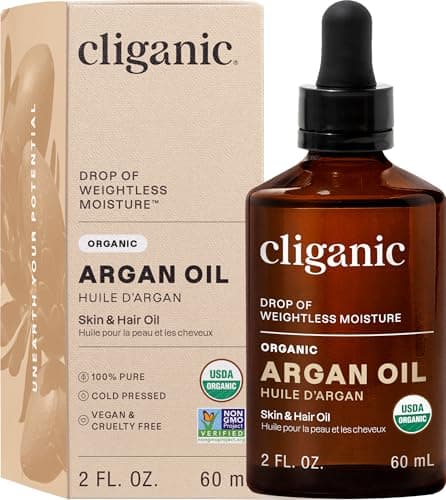
Cliganic Organic Argan Oil

One or two drops on the bottom third, on damp or dry hair. Seals the moisture the leave-in put in. Nowhere near the scalp.

For the ends — step twoArgania spinosa (argan) kernel oil, certified organic — the only ingredient on the label$9.98Amazon
5
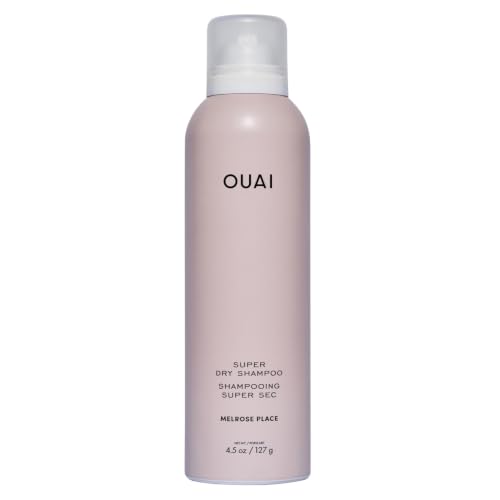
OUAI Super Dry Shampoo

The honest role of dry shampoo here: it buys you a day so the ends get washed less often. It absorbs oil, it does not clean, and that distinction matters.

To stretch the gap between washesA double starch blend the manufacturer states is highly absorbent and leaves no residue$30.00Amazon

#ad · Prices come live from the retailer, last checked November 11, 2026; where we have no verified live price we show none. These picks are chosen from formulation research, not from testing them ourselves. Tap a row for the full write-up.

Why no single shampoo does this job

Sebum is produced at the scalp and has to travel down the strand to reach the ends. On short, straight hair it manages that easily. On long, wavy, curly or coily hair it does not — it gets caught at every bend and runs out long before the bottom. Meanwhile the ends are the oldest hair on your head: they have been washed, brushed, heated and possibly colored hundreds more times than the new growth at your part.

So you have one head with two opposite problems, roughly six inches apart. The roots want cleaning. The ends want moisture and protection. A shampoo that does both is not a formulation challenge, it is a contradiction — a conditioning shampoo leaves behind exactly the film your roots are already struggling with, and a shampoo aggressive enough to properly degrease a scalp will take the lengths apart.

The way out is to stop buying a product for "your hair" and start buying for two zones. One weightless shampoo for the scalp, applied only to the scalp. Separate moisture for the lengths, applied only to the lengths. That is the entire strategy, and the longer explanation of why the combination happens sits behind it.

One thing to rule out first. If the flakes at your scalp are greasy and yellowish rather than small and dry, and the itch keeps coming back, that is dandruff and it needs an active ingredient rather than a gentler wash — the dandruff shampoos are here. And if your roots went greasy relatively suddenly, the causes of greasy hair is worth reading before you buy anything, because several of them are habits rather than products.

How we picked these five

1. The shampoo is judged on what it leaves behind, not on how it lathers. For this problem the single most important property is that a shampoo does not deposit conditioning agents at the root. Almost every shampoo marketed as moisturizing, smoothing or repairing fails that test on a greasy scalp.

2. One clarifier, not a clarifying routine. Clarifying shampoo is a monthly tool, not a weekly one, and using it as a daily shampoo is how people end up with ends in a worse state than when they started. There is exactly one here, with the cadence on the card.

3. The ends get two products, because moisture and seal are different jobs. A leave-in adds water and slip; an oil slows that water leaving. Doing one without the other is the most common half-finished version of this routine.

4. Dry shampoo is included honestly or not at all. It absorbs oil, it does not clean, and its real value here is that it lets you wash less often — which is the lever that does most for the ends.

5. No scores. There is no testing panel behind this site, so each pick carries an editorial role and a specific disqualifier rather than a number.

We have not used these products ourselves. They are chosen from what is in the formula, what those ingredients are documented to do, and whether that matches the problem this page is about — and every product below links to the manufacturer's own page so you can check the formulation claims yourself. The full method is here.

What to look for on the bottle, and what to put back on the shelf

You can get most of the way to the right shampoo for this problem from the front of the bottle, before you read a single ingredient list.

  • Words that mean "leaves something behind": moisturizing, hydrating, smoothing, repairing, nourishing, bond-building. Every one of those describes a shampoo designed to deposit material on the strand, which is the opposite of what a greasy scalp needs. These are good shampoos for other people.
  • Words that mean "cleans and leaves": weightless, volumizing, balancing, lightweight, clarifying. This is your half of the shelf. Volumizing shampoos in particular are formulated to avoid weighing hair down, which in practice means low conditioning deposit at the root.
  • Oils and butters high in the ingredient list. Coconut, shea, argan and castor are all excellent on the ends and all wrong in a shampoo you are massaging into an oily scalp.
  • Silicones in the shampoo rather than the conditioner. Dimethicone and its relatives are the single most common cause of the slow slide where a routine works for three weeks and then stops. If they are in your shampoo, the clarifying step below is not optional.
  • A named scalp active, if your scalp also flakes. Salicylic acid, zinc pyrithione, selenium sulfide or ketoconazole. If none of those words is on the bottle, the product is not treating flaking, whatever the front of the label implies.

The sulfate question is worth one sentence, because it gets asked constantly. A sulfate shampoo cleans a greasy scalp more thoroughly, and sulfate-free cleansers leave more behind — which is why they need clarifying more often, not less. If you color your hair, the trade swings the other way and the sulfate-free option wins; the sulfate-free guide works through both sides properly.

The two-zone routine

The products matter less than where you put them. This is the sequence, and the "where" column is the part people skip.

StepProductWhere it goesHow often
WashVerb Ghost ShampooScalp only — fingertips, not nailsEvery wash
ResetNeutrogena Anti-ResidueScalp, instead of your normal shampooEvery three or four weeks
ConditionYour conditionerMid-lengths to ends. Never the scalp.Every wash
MoistureIt's a 10 Miracle Leave-InMid-lengths down, on damp hairEvery wash
SealCliganic Organic Argan OilBottom third only, one or two dropsEvery wash, and on dry flyaways
StretchOUAI Super Dry ShampooRoots, on day twoAs needed between washes

Two mechanical notes that do more than the product choice. First, shampoo is for the scalp. The lather that rinses down over your lengths is all the cleaning they need, and deliberately scrubbing shampoo through the ends is what makes them worse week by week. Second, conditioner never touches the scalp. Not a little, not "just the back". A conditioner is cationic — it is designed to cling to hair — and at the root it clings for days.

The AAD's everyday hair care guidance makes the same split from the dermatology side: concentrate shampoo on the scalp rather than the lengths, and use conditioner on the ends where the wear is (AAD, everyday hair care). It is the single cheapest change available to anyone with this combination, because it costs nothing.

The clarifying step deserves its own note. If your roots feel greasy within hours of washing and your products have gradually stopped working, the problem is often a film of silicone, conditioner and dry-shampoo residue rather than sebum — what scalp buildup actually is covers how it creeps up, and the clarifying shortlist has gentler and stronger options than the one picked here. If you are on hard water, this step matters more rather than less — hard water and your hair explains the mineral deposit version of the same problem.

A weekly or fortnightly scalp scrub is the optional sixth product, and it is worth it if your scalp feels coated rather than simply oily — the scalp scrub picks cover that step on its own.

Wash frequency is the free variable, and it cuts both ways

Everyone with this combination gets the same two pieces of contradictory advice: wash less so the ends recover, and wash more so the roots stay clean. Both are right about their own half, which is why the answer is a compromise you arrive at rather than a rule.

The practical version: wash the scalp as often as it genuinely needs, which for an oily scalp is often every day or every other day, and protect the ends from that frequency rather than reducing it. A weightless shampoo kept to the scalp, a leave-in and an oil on the lengths, and your ends can survive a daily wash far better than they can survive a conditioning shampoo twice a week. How often to wash your hair works through the variables, including the one nobody mentions: hair that is washed daily is also brushed, heated and handled daily, and the handling does more damage than the water.

Dry shampoo is how you buy back a day, and it is worth being precise about what it does. It absorbs oil at the root with starch or clay; it removes nothing. Used as a substitute for washing it adds to the film that is making your roots worse — whether dry shampoo is bad for your hair is the honest answer rather than either marketing position, and the fine-hair dry shampoo picks matter if yours goes flat as well as greasy.

The mistakes that make this combination worse

Buying a shampoo for dry hair because your ends are dry. This is the central error and it is completely understandable. The ends are what you see and touch, so a moisturizing shampoo feels like the obvious answer — and it deposits conditioning agents on the greasiest part of your head. Buy the shampoo for your scalp. Treat the ends with products that never go near the roots.

Washing twice a day, or scrubbing harder. Neither reduces sebum production, and both increase the mechanical wear on the lengths. Friction is a real damage mechanism — rough handling lifts and fractures the cuticle, which is what makes ends dull and prone to snapping (hair cosmetics overview, Int J Trichology).

Skipping conditioner entirely to keep the roots clean. Common, and it trades a root problem for an ends problem. Conditioner on the bottom two-thirds is not what is greasing your scalp.

Putting oil anywhere near the top of your head. Scalp oils are a real product category for a dry, tight scalp — and this is not that scalp. If your scalp is both greasy and flaking, that is a specific case with its own answer rather than an oil — the oily-and-flaking shortlist handles it.

Expecting products to repair the ends. If the bottom few inches are splitting rather than merely dry, moisture will make them feel better and nothing will mend them. The only real fix is to remove them — the split-ends shortlist is honest about which products delay the next trim and which ones just make the current situation feel softer.

If your hair is also curly, fine or colored

  • Curly or wavy. This combination is most common on curly hair, because sebum travels worst down a bend. The routine above still applies, but the ends need a curl routine rather than just a leave-in and oil — the anti-frizz products by type lay out the four rungs, and curly shampoos include the lighter cleansers.
  • Fine and greasy. Fine hair shows oil faster and is flattened by everything, so the weightless shampoo matters even more and the oil drops to one on the very ends — the fine and greasy shortlist is the more specific page.
  • Color-treated. The clarifying step will pull color, so move it to the week before you get your color refreshed and use a color-safe clarifier rather than the cheapest one — will clarifying shampoo strip color has the timing, and color-safe shampoos include sulfate-free options light enough for an oily scalp.
  • Thinning as well as oily. A greasy scalp makes fine hair look thinner than it is, and the fix is the wash routine rather than a thickening product — thickening shampoos is the right page if the density itself is the concern.
  • Shopping a single brand. Most ranges are built around one organizing idea, which is exactly the wrong shape for a two-zone problem — The Ordinary review is a worked example of a range with a good scalp product and nothing for the ends.

If you only change one thing after reading this, change where the products go rather than which ones they are. Shampoo at the scalp, conditioner and everything else from the mid-lengths down. That alone resolves this complaint for a surprising number of people before a single new bottle is involved.
In detail

The picks, in full

1Best overall shampoo for this

Verb Ghost Shampoo

The whole problem with a conditioning shampoo is that it treats your scalp like your ends. This one cleans without leaving conditioning agents behind at the roots, which is exactly the right trade when the roots are the greasy part.

Who it suits: Fine to medium hair that every conditioning shampoo seems to flatten

What is doing the work

  • Moringa oil and green tea extract as light conditioning agents that do not deposit weight
  • Vegan proteins for strength, with the formula free of harmful sulfates per Verb

What works

  • Genuinely does not weigh fine hair down
  • Cleans properly, which a lot of gentle shampoos do not
  • Cruelty-free and vegan, per the brand

What to note

  • Not moisturizing enough for coarse or very dry hair
  • The 79% frizz claim applies to the full line, not the shampoo by itself

Skip it if your hair is coarse or high porosity — this is formulated to add as little as possible, which is the opposite of what you need.

Verb Ghost Shampoo
$22.00View on Amazon

#ad · Price as of November 11, 2026 · Affiliate disclosure for the link to Ghost Shampoo

2The monthly reset

Neutrogena Anti-Residue Shampoo

Greasy roots that got worse over months are usually buildup wearing an oil problem's clothes. One clarifying wash every three or four weeks strips the film and tells you what your scalp is actually doing.

Who it suits: Anyone whose hair has gone dull, flat and unresponsive to products

What is doing the work

  • A residue-removing cleansing system the manufacturer states clears up to 90% of buildup from shampoos, conditioners and styling products
  • Formulated for once-weekly use rather than as a daily shampoo

What works

  • Cheap, and one bottle lasts a year at weekly use
  • Genuinely resets hair that has stopped responding to product
  • No fuss, no fragrance to speak of

What to note

  • Drying if used more often than directed
  • Will strip toner and fade color faster

Skip it if your color was done in the last week — clarifying now will take some of it straight back out.

Neutrogena Anti-Residue Shampoo
Check price on Amazon

#ad · Price shown on Amazon · Affiliate disclosure for the link to Anti-Residue Shampoo

3For the ends — step one

It's a 10 Miracle Leave-In Product

A spray leave-in, mid-lengths down only. This is the product that makes keeping conditioner off your roots survivable.

Who it suits: Anyone who wants one leave-in spray to detangle, smooth and act as a heat protectant

What is doing the work

  • Conditioning agents and silicones that give slip for detangling and reduce combing breakage
  • Positioned by the manufacturer as a thermal protectant as well as a leave-in

What works

  • Spray format means it goes on evenly without over-application
  • Genuinely useful for detangling wet hair, which is when it breaks
  • Works across straight, wavy and curly hair

What to note

  • Master-of-none — a dedicated heat protectant does that job better
  • Contains silicones, so periodic clarifying is sensible

Skip it if you already own a dedicated leave-in and a heat protectant — this replaces them rather than adding anything.

It's a 10 Miracle Leave-In Product
$13.39View on Amazon

#ad · Price as of November 11, 2026 · Affiliate disclosure for the link to Miracle Leave-In Product

4For the ends — step two

Cliganic Organic Argan Oil

One or two drops on the bottom third, on damp or dry hair. Seals the moisture the leave-in put in. Nowhere near the scalp.

Who it suits: Dry, dull or frizzy mid-lengths and ends that need smoothing today, not a treatment

What is doing the work

  • Argania spinosa (argan) kernel oil, certified organic — the only ingredient on the label
  • 100% pure, organic and cold-pressed, with USDA Organic, Non-GMO and EWG Verified certification, per the manufacturer
  • Dominated by oleic and linoleic acid, which is why it stays on the surface as an emollient film rather than entering the shaft

What works

  • Light enough to use on damp hair daily without weighing down medium or fine lengths
  • One ingredient and no added fragrance, which is rare in the finishing-oil aisle
  • The manufacturer's own instruction is two to four drops, which is the correct dose and the thing most people get wrong

What to note

  • A surface oil — it will not reduce protein loss or repair anything structural
  • The larger sizes ship without a dropper, so over-pouring is easy
  • Argan oil is among the most commonly adulterated oils in the category, so buy on certification rather than on price

Skip it if what you actually want is a treatment for bleach damage — an oil is the wrong category entirely, and a bond treatment or a protein mask is the right one.

Cliganic Organic Argan Oil
$9.98View on Amazon

#ad · Price as of November 11, 2026 · Affiliate disclosure for the link to Organic Argan Oil

5To stretch the gap between washes

OUAI Super Dry Shampoo

The honest role of dry shampoo here: it buys you a day so the ends get washed less often. It absorbs oil, it does not clean, and that distinction matters.

Who it suits: Fine hair that goes flat and greasy at the same time

What is doing the work

  • A double starch blend the manufacturer states is highly absorbent and leaves no residue
  • Free of parabens and sulfates, per OUAI

What works

  • Adds visible lift at the root, not just absorption
  • No residue on fine, light hair
  • Also handles sweat, per the manufacturer

What to note

  • Expensive per ounce
  • Heavily fragranced, which is a love-it-or-hate-it feature

Skip it if fragrance gives you headaches — this is one of the most strongly scented dry shampoos on the shelf.

OUAI Super Dry Shampoo
$30.00View on Amazon

#ad · Price as of November 11, 2026 · Affiliate disclosure for the link to Super Dry Shampoo

How we picked

Products we have personally tested: none

Most hair care roundups are written in a "we tested these" voice. We have not, and saying so is the point. These picks are chosen the way an informed shopper would choose them: read what is actually in the formula, check what those ingredients are documented to do, match that against the specific problem the page is about, and confirm the product is still being sold.

Each pick gets a role — the drugstore option, the one for high porosity, the gentlest of the set — rather than a score out of ten, because a score would imply a measurement nobody took. Nobody pays for inclusion or placement, and when the cheap product is the right answer we say that too. The full method is on one page.

Questions

Frequently asked

What is the best shampoo for an oily scalp and dry ends?
Verb Ghost Shampoo for most people: it cleans the scalp without leaving conditioning agents behind at the root, which is the property that matters here. Pair it with a clarifying wash every three or four weeks, and treat the ends separately with a leave-in and a drop or two of oil.
Why is my scalp oily but my ends dry?
Sebum is produced at the scalp and has to travel down the strand. On long, wavy or curly hair it gets caught at the bends and never reaches the bottom, so the roots have more than they need and the ends have none. The ends are also the oldest hair on your head and have taken the most wear.
Should I use a moisturizing shampoo if my ends are dry?
No — that is the central mistake with this combination. A moisturizing shampoo deposits conditioning agents on the greasiest part of your head. Buy the shampoo for your scalp and put the moisture on the lengths separately, where it cannot affect the roots.
How often should I wash hair with oily roots and dry ends?
As often as the scalp needs, which is frequently every day or every other day, and protect the ends from that frequency rather than reducing it. A weightless shampoo kept to the scalp plus a leave-in and oil on the lengths lets the ends tolerate a daily wash far better than a conditioning shampoo twice a week does.
Can I use two different shampoos?
You effectively are. A weightless daily shampoo for the scalp and a clarifying shampoo every three or four weeks is two shampoos doing two jobs. What rarely helps is alternating a moisturizing shampoo with a clarifying one — you spend half your washes adding the film the other half removes.
Does dry shampoo make oily roots worse?
Not inherently, but using it instead of washing does. It absorbs oil without removing anything, so repeated use between washes adds to the residue sitting at your roots. Treat it as a way to buy one extra day, and make sure a clarifying wash clears it roughly monthly.

Next

Receipts

Sources

  1. 1.American Academy of Dermatology — Everyday hair care
  2. 2.American Academy of Dermatology — Tips for healthy hair
  3. 3.Gavazzoni Dias MF — Hair cosmetics: an overview (Int J Trichology, 2015, PMC)
  4. 4.True porosity measurement of hair: a new way to study hair damage mechanisms (PubMed)

Claims about what an ingredient does are cited to dermatology bodies or published research. Claims about what a product contains are cited to the manufacturer's own page and labeled as the manufacturer's claim. Where the evidence is thin, we say so on the page rather than rounding it up. Read the full method.