Strand&Suds

Hair Types & Porosity · Our picks

The Best Conditioner for Fine Hair

Our top pick is The Ordinary Behentrimonium Chloride 2% Conditioner — one named conditioning agent, no silicones, no oils, and it is also the cheapest thing on this page. Everything below it is heavier in a useful way for a specific case. Fine hair does not need less conditioning; it needs conditioning that does not stay on the strand.

By Janet H.Updated How we pick
#ad

We earn a commission if you buy through our links, at no extra cost to you. It never decides the ranking — the method is published · Affiliate disclosure

The short answer

Quick picks

#ProductBest forKey ingredientPrice
1
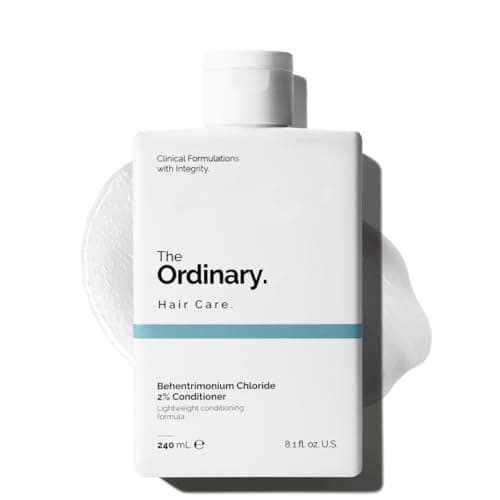
The Ordinary Behentrimonium Chloride 2% Conditioner

One cationic conditioning agent at a stated concentration and very little else. On fine hair the thing that causes flatness is what gets left behind, and this leaves the least behind. It is also the cheapest pick here, which is unusual and worth saying plainly.

Best overall, and the budget pickBehentrimonium chloride at a stated 2% — a cationic conditioning agent that binds to the negatively charged surface of hair and gives slip$9.20Amazon
2
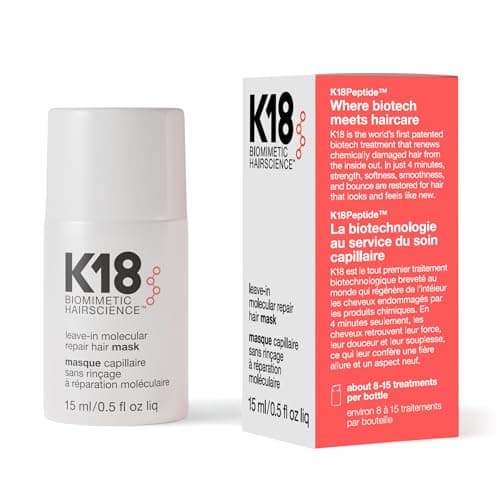
K18 Leave-In Molecular Repair Hair Mask

A four-minute leave-in rather than a rinse-out mask, which is the only way fine hair gets a repair step without losing volume. Buy it for bleach or heat damage, not for dryness.

Best weekly treatment for fine hairK18Peptide — a biotech peptide the manufacturer states reconnects broken polypeptide chains and disulfide bonds$29.00Amazon
3
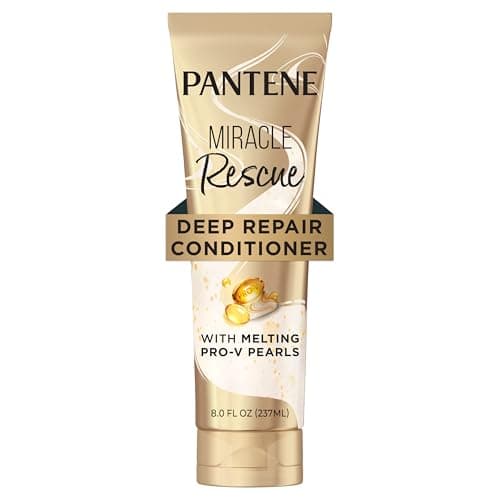
Pantene Miracle Rescue Deep Repair Conditioner

When fine hair is also genuinely dry — winter, or color — this is the richer tub to reach for weekly. Not an everyday conditioner for fine hair.

Best cheap rich optionPro-V pearls, which Pantene states dissolve on application to deliver a nutrient-rich conditioning formula$12.97Amazon
4
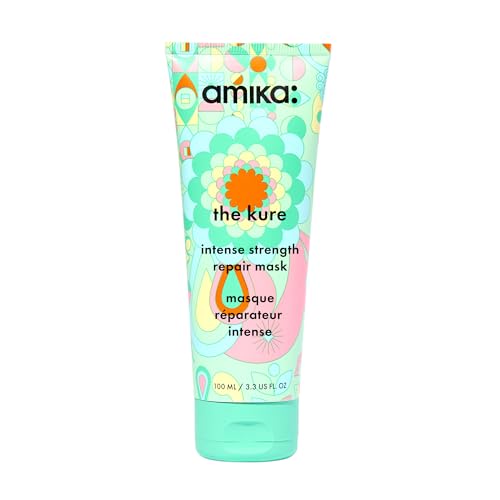
amika The Kure Intense Strength Repair Mask

Strength-led and light enough to get away with weekly on fine hair. The wrong pick if your hair already feels stiff rather than soft.

Best if fine hair is also bleachedA bond-repair complex the brand states is clinically proven safe for color-treated hair$15.60Amazon
5
L'Oréal Paris Elvive Total Repair 5 Ceramide Recharge Leave-In Conditioner

A sprayable leave-in for the bottom third, which is where fine hair is actually dry. Applied to the roots it will cost you volume immediately.

Best leave-in for the ends onlyCeramides, which L'Oréal states help seal moisture into the hair fiberCheck price · Amazon

#ad · Prices come live from the retailer, last checked November 28, 2026; where we have no verified live price we show none. These picks are chosen from formulation research, not from testing them ourselves. Tap a row for the full write-up.

Why conditioner flattens fine hair, mechanically

Fine hair is not weak hair — it is hair with a smaller diameter. There is less of each strand, so anything deposited on it is a larger proportion of its total weight. A film that is invisible on coarse hair is noticeable on fine hair, and "noticeable" means flat at the root.

Three things in a conditioner do that depositing, in rough order of how much trouble they cause fine hair:

  • Heavy silicones. They smooth beautifully and they build up. On fine hair the buildup shows as dull, limp lengths within a week. The silicone question is worth reading properly — the answer is not simply "avoid them".
  • Butters and heavy oils. Shea, coconut and the rest. Excellent on coils, too much on fine hair even in small amounts.
  • Too much product, applied too high. The commonest cause by far, and the free fix. Fine hair needs a small amount on the lower two thirds and nothing near the scalp.

What fine hair does need is slip — enough lubrication to comb wet hair without breaking it. Cationic conditioning agents provide that and rinse away cleanly, which is why the top pick on this page is mostly just one of them.

How we picked these five

1. Ordered by weight, lightest first. The ranking on this page is a ranking of how much a product leaves behind, because that is the thing fine hair is sensitive to.

2. Slip first, richness only where there is a reason. Four of these are light; the heavier two are here for specific cases — dryness and bleach — and are labeled as weekly rather than daily.

3. The format matters as much as the formula. A leave-in treatment and a rinse-out mask behave completely differently on fine hair, and the table says which is which.

4. The cheapest pick is the top pick. That is how it fell out, and we are not going to reorder the list to make the page look more expensive.

5. No scores, no claimed testing. An editorial role and a stated disqualifier per pick.

We have not used these products ourselves. They are chosen from what is in the formula, what those ingredients are documented to do, and whether that matches the problem this page is about — and every product below links to the manufacturer's own page so you can check the formulation claims yourself. The full method is here.

The five, lightest first

PickWeight on fine hairFormatHow often
The Ordinary Behentrimonium Chloride 2%LightestRinse-outEvery wash
L'Oréal Elvive Ceramide Recharge Leave-InLight, but leaves onSpray leave-in, ends onlyAs needed
K18 Leave-In Molecular Repair MaskLight for a treatmentLeave-in, four minutesWeekly
amika The KureMediumRinse-out maskWeekly, bleached hair
Pantene Miracle RescueHeaviest hereRinse-out maskWeekly, dry hair only

Which pick for which situation

Fine hair, healthy, goes flat easily. The Ordinary conditioner and nothing else. Add the leave-in spray on the ends if they tangle. Shampoos for fine hair is the other half of the routine and matters more.

Fine hair that is also dry — winter, hard water, or age. The Ordinary daily plus the Pantene weekly on the lower two thirds only. Hard water does specific things to fine hair and is worth ruling out.

Fine hair that is bleached or highlighted. The K18 leave-in weekly, the Ordinary conditioner daily. Rinse-out repair masks are the thing to avoid here — the blonde-hair wash and conditioner page covers the color side.

Fine hair with greasy roots and dry ends. Condition the ends only, wash more often than you think, and read the oily-roots-dry-ends page — this is a two-zone problem and one product will not solve it.

Fine hair that is thinning rather than just fine. A different problem. Conditioners for thinning hair is the page, and shedding against loss is the one to read first.

How to condition fine hair

  • A coin-sized amount, lower two thirds only. Most people with fine hair use three times what they need and apply it an inch from the scalp.
  • Rinse longer than feels necessary. Residual conditioner is the single biggest cause of flat fine hair, and it is free to fix.
  • Do not skip it. Washing without conditioning breaks hair, and fine hair cannot afford breakage. The AAD puts conditioner on every wash (AAD, tips for healthy hair).
  • Clarify monthly if you use silicones. Buildup at the root is what makes fine hair look thinner than it is.

What not to buy

A volumising conditioner as your repair step. Volumising formulas work by coating the strand so it occupies more space. That is a legitimate cosmetic effect, but it is the opposite of a treatment and it builds up.

A butter-based or oil-heavy mask. Written for coarse and coily hair and excellent there. On fine hair the result is one wash of nice feel followed by a week of limpness.

A 2-in-1. It has to clean and condition in one step and the compromise lands on the conditioning side, which is the side fine hair needs done carefully.
In detail

The picks, in full

1Best overall, and the budget pick

The Ordinary Behentrimonium Chloride 2% Conditioner

One cationic conditioning agent at a stated concentration and very little else. On fine hair the thing that causes flatness is what gets left behind, and this leaves the least behind. It is also the cheapest pick here, which is unusual and worth saying plainly.

Who it suits: Fine or low-porosity hair that most conditioners leave limp

What is doing the work

  • Behentrimonium chloride at a stated 2% — a cationic conditioning agent that binds to the negatively charged surface of hair and gives slip
  • Cetearyl alcohol as the fatty-alcohol base, with guar gum for body; no silicones, no oils and no fragrance per the manufacturer

What works

  • Light enough that fine hair keeps its body after using it
  • Seven ingredients, all listed on the page, with the active quantified
  • Fragrance-free, so it suits a reactive scalp

What to note

  • Nowhere near rich enough for coarse, high-porosity or bleached lengths
  • No slip from silicones, so detangling thick hair with it is slow work

Skip it if your hair is coarse, bleached or high-porosity — a 2% conditioning agent with no oils behind it will not give you the slip you need to get a comb through.

The Ordinary Behentrimonium Chloride 2% Conditioner
$9.20View on Amazon

#ad · Price as of November 28, 2026 · Affiliate disclosure for the link to Behentrimonium Chloride 2% Conditioner

2Best weekly treatment for fine hair

K18 Leave-In Molecular Repair Hair Mask

A four-minute leave-in rather than a rinse-out mask, which is the only way fine hair gets a repair step without losing volume. Buy it for bleach or heat damage, not for dryness.

Who it suits: Badly over-processed hair where you want the shortest possible treatment step

What is doing the work

  • K18Peptide — a biotech peptide the manufacturer states reconnects broken polypeptide chains and disulfide bonds
  • pH-optimized to 5.0-6.0, which the maker says limits cuticle swelling during the treatment

What works

  • Four minutes, no rinse, so it fits a normal morning
  • Light enough for fine hair that a rinse-out mask would flatten
  • Color-safe and vegan per the manufacturer

What to note

  • Expensive per use compared with a rinse-out mask
  • Needs clean, towel-dried hair with no other product on it, which is fussier than it sounds

Skip it if you layer several products straight out of the shower — this one needs bare, towel-dried hair to work as directed, and working around that is more trouble than a rinse-out mask.

K18 Leave-In Molecular Repair Hair Mask
$29.00View on Amazon

#ad · Price as of November 28, 2026 · Affiliate disclosure for the link to Leave-In Molecular Repair Hair Mask

3Best cheap rich option

Pantene Miracle Rescue Deep Repair Conditioner

When fine hair is also genuinely dry — winter, or color — this is the richer tub to reach for weekly. Not an everyday conditioner for fine hair.

Who it suits: Dry, rough lengths when a salon mask is not in the budget

What is doing the work

  • Pro-V pearls, which Pantene states dissolve on application to deliver a nutrient-rich conditioning formula
  • Conditioning agents that smooth the cuticle and reduce combing friction

What works

  • Works in one to three minutes rather than fifteen
  • Cheap enough to use weekly without thinking about it
  • Widely stocked, so it is easy to replace

What to note

  • Moisture only — nothing here addresses bleach damage
  • Rich enough to weigh fine hair down if used root to tip

Skip it if you have fine hair that goes flat easily, or your damage came from bleach rather than dryness.

Pantene Miracle Rescue Deep Repair Conditioner
$12.97View on Amazon

#ad · Price as of November 28, 2026 · Affiliate disclosure for the link to Miracle Rescue Deep Repair Conditioner

4Best if fine hair is also bleached

amika The Kure Intense Strength Repair Mask

Strength-led and light enough to get away with weekly on fine hair. The wrong pick if your hair already feels stiff rather than soft.

Who it suits: Colored or bleached hair that needs strength and slip in the same step

What is doing the work

  • A bond-repair complex the brand states is clinically proven safe for color-treated hair
  • Conditioning agents that give the slip a pure protein treatment lacks

What works

  • Strength and detangling in one step, so no separate conditioner
  • Explicitly formulated as color-safe by the manufacturer
  • Pleasant to use, which matters for something you do weekly

What to note

  • Salon-tier price for a rinse-out mask
  • Protein-leaning, so it can stiffen hair if you already use a bond treatment

Skip it if you are already using a separate bond treatment weekly — stacking two protein-leaning products is how hair ends up brittle rather than strong.

amika The Kure Intense Strength Repair Mask
$15.60View on Amazon

#ad · Price as of November 28, 2026 · Affiliate disclosure for the link to The Kure Intense Strength Repair Mask

5Best leave-in for the ends only

L'Oréal Paris Elvive Total Repair 5 Ceramide Recharge Leave-In Conditioner

A sprayable leave-in for the bottom third, which is where fine hair is actually dry. Applied to the roots it will cost you volume immediately.

Who it suits: Dry lengths that need daily conditioning without a salon price

What is doing the work

  • Ceramides, which L'Oréal states help seal moisture into the hair fiber
  • Lightweight conditioning base intended for daily use

What works

  • One of the cheapest ways to add a leave-in step
  • Light enough for daily use on most hair types
  • Easy to find in any drugstore

What to note

  • Not rich enough for coarse or high-porosity hair
  • Fragranced, like the rest of the Elvive range

Skip it if your hair is coarse or high porosity — it will drink this and still feel dry, and a cream leave-in will serve you better.

L'Oréal ParisNo product photograph available for the L'Oréal Paris Elvive Total Repair 5 Ceramide Recharge Leave-In Conditioner
Check price on Amazon

#ad · Price shown on Amazon · Affiliate disclosure for the link to Elvive Total Repair 5 Ceramide Recharge Leave-In Conditioner

How we picked

Products we have personally tested: none

Most hair care roundups are written in a "we tested these" voice. We have not, and saying so is the point. These picks are chosen the way an informed shopper would choose them: read what is actually in the formula, check what those ingredients are documented to do, match that against the specific problem the page is about, and confirm the product is still being sold.

Each pick gets a role — the drugstore option, the one for high porosity, the gentlest of the set — rather than a score out of ten, because a score would imply a measurement nobody took. Nobody pays for inclusion or placement, and when the cheap product is the right answer we say that too. The full method is on one page.

Questions

Frequently asked

What is the best conditioner for fine hair?
The Ordinary Behentrimonium Chloride 2% Conditioner — one named conditioning agent, no silicones or oils, and it rinses cleanly. It happens to be the cheapest pick on this page too, which is not a compromise here: for fine hair, leaving less behind is the whole point.
Does fine hair need conditioner at all?
Yes, every wash. Fine hair breaks easily, and the slip a conditioner gives you is what lets you comb wet hair without snapping it. The fix for flatness is less product applied lower down, not skipping the step.
Should fine hair avoid silicones?
Not avoid, but manage. Light silicones rinse out and smooth usefully; heavy ones build up and show as limp, dull lengths on fine hair within a week. If you use them, clarify monthly.
Can fine hair use a hair mask?
Yes, weekly, applied only to the lower two thirds — and a leave-in treatment is usually a better format than a rinse-out mask. Masks for fine hair ranks that category specifically.

Next

Receipts

Sources

  1. 1.American Academy of Dermatology — Tips for healthy hair
  2. 2.American Academy of Dermatology — Everyday hair care
  3. 3.Gavazzoni Dias MF — Hair cosmetics: an overview (Int J Trichology, 2015, PMC)
  4. 4.On hair care physicochemistry: from structure and degradation to novel biobased conditioning agents (PMC)
  5. 5.The Ordinary — Behentrimonium Chloride 2% Conditioner product page
  6. 6.K18 — leave-in molecular repair hair mask product page

Claims about what an ingredient does are cited to dermatology bodies or published research. Claims about what a product contains are cited to the manufacturer's own page and labeled as the manufacturer's claim. Where the evidence is thin, we say so on the page rather than rounding it up. Read the full method.