Why blonde fades differently from every other color
Going blonde is not the same operation as going darker, and that is the whole reason this page exists separately from color-safe shampoo in general.
Dark color deposits pigment. Blonde removes it — lightener opens the cuticle and strips the natural melanin out of the cortex before any toner goes on. Research on bleached hair using electron microscopy describes cuticle cells separating and breaking, and significant loss of the lipids that normally protect the fiber (effects of excessive bleaching on hair, PMC). Porosity measurement work shows the damage is not only on the surface — it reaches different structural levels of the strand and changes how it takes up and loses water (porosity at different structural levels, PMC).
Three consequences follow, and they decide what you buy:
- Blonde hair loses water faster than it loses color. The dryness shows up before the fade does, which is why a moisture-first pair beats a "color-protect" pair that is thin on conditioning.
- What fades is the toner, not the lift. Your hair does not go back to brown; it goes brassy, because the warm underlying pigment was always there and the toner masking it washes out. That is a pigment problem with a pigment answer, and it is a once-a-week job.
- A porous cuticle takes on anything in the water. Including iron and copper from hard water, which is a genuine cause of dull or greenish blonde — hard water and your hair covers what actually helps there, and scalp scrub against clarifying shampoo separates mineral film from product residue, which are fixed differently.
Three bottles, not two
The query behind this page asks for a shampoo and a conditioner, and the honest answer is that blonde hair is the one color state that needs a third bottle in the rotation. Here is the shape of it:
- A sulfate-free everyday shampoo. The cleanser is where color and moisture are lost, so this is the single highest-value swap. Used at every wash.
- A conditioner rich enough for lifted lengths. Used at every wash too — blonde is the hair type where skipping conditioner shows fastest.
- A toning shampoo. Used instead of bottle one, roughly once a week, purely to manage brass.
Most of the frustration people have with blonde routines comes from collapsing that into two bottles: a purple shampoo used as the everyday wash, with a conditioner that is too light to keep up. That combination gives you ashy, dry, slightly chalky hair, and then the purple gets blamed for a problem the missing moisture caused.
How we picked these five
1. Sulfate-free on every cleanser here. A conventional sulfate surfactant lifts more dye and more lipid out of an already-porous strand. Every shampoo on this page is sulfate-free per its manufacturer, and the sulfate-free guide explains what that does and does not buy you.
2. The conditioning half treated as equal, not an afterthought. Two of the five picks are the conditioning step, and one of them is the cheapest product on the page. Blonde routines fail at the conditioner far more often than at the shampoo.
3. One drugstore pair and one salon pair. The price gap in this category is wide and the quality gap is narrower than the shelf implies, so both ends are represented and the honest comparison is in the table below.
4. Exactly one toning product. Not five. The site already ranks the toners in detail on the purple shampoo page — this page needs one good one in the right slot in the rotation.
5. No scores, and nothing we claim to have tested. Each pick carries an editorial role and a specific disqualifier instead of a number.
We have not used these products ourselves. They are chosen from what is in the formula, what those ingredients are documented to do, and whether that matches the problem this page is about — and every product below links to the manufacturer's own page so you can check the formulation claims yourself. The full method is here.
The rotation, laid out
| Product | Step | How often | Price bracket |
|---|
| L'Oréal EverPure Moisturizing Shampoo | Everyday shampoo | Every wash | Drugstore |
|---|
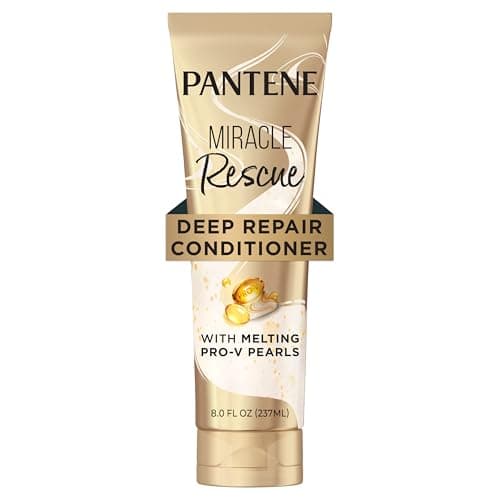
| Pantene Miracle Rescue Deep Repair Conditioner | Everyday conditioner | Every wash | Drugstore |
|---|
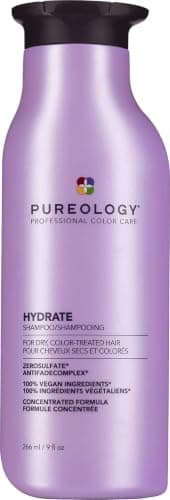
| Pureology Hydrate Shampoo | Everyday shampoo, salon tier | Every wash | Salon |
|---|
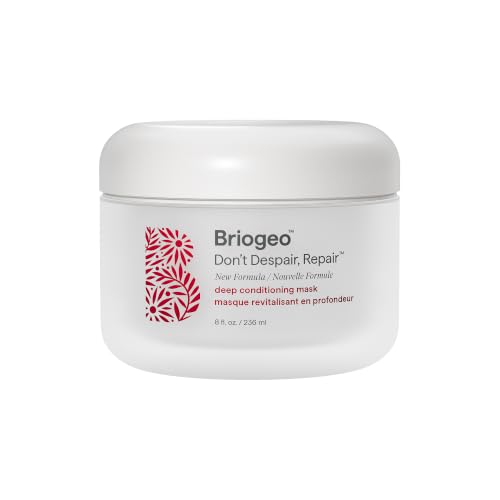
| Briogeo Don't Despair, Repair! | Deep conditioner | Once a week | Mid to salon |
|---|
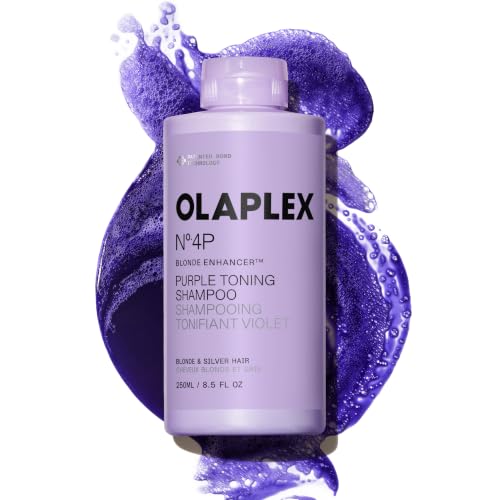
| Olaplex Nº.4P Blonde Enhancer | Toning shampoo | Once a week, instead of the everyday shampoo | Salon |
|---|
A workable blonde routine is two bottles from the top half plus one from the bottom half. The cheapest version that still works properly is the EverPure shampoo, the Pantene conditioner and any purple shampoo once a week — that is a complete routine for less than a single salon bottle, and it is the one we would actually recommend to most readers. The drugstore color-safe roundup goes further into what the salon tier buys you.
Do the shampoo and conditioner have to match?
No, and this is worth saying plainly because ranges are sold as if they must.
A shampoo and a conditioner do unrelated jobs. The shampoo is a surfactant system that removes oil and residue; the conditioner is a cationic film that deposits onto the strand and smooths the cuticle. Nothing in either formula requires the other to exist. The benefit of buying a matched pair is practical rather than chemical: the conditioner is calibrated to the richness of that shampoo, so the pair is less likely to leave you either coated or stripped.
Where matching genuinely helps is at the two extremes. If you use a clarifying or toning shampoo, a richer conditioner from the same line is a sensible counterweight. And if your hair is fine, a volumizing shampoo paired with a heavy repair conditioner will cancel out — pick both light.
Our own suggestion for blonde hair is deliberately mixed: a cheap sulfate-free shampoo, because the cleanser only has to be gentle, and a conditioner chosen for how dry your lengths actually are. That is where the money is better spent.
Where purple shampoo fits, and how often
Purple shampoo is a color-correcting product, not a cleansing strategy. Purple sits opposite yellow on the color wheel, so a violet pigment deposited on a brassy strand cancels some of that warmth visually. It does nothing for dryness and nothing for the cuticle.
Once a week is the right starting cadence for most blondes. Use it in place of your everyday shampoo, leave it the time the bottle states rather than the time the internet states, and condition after it as normal. If your hair starts reading dull or slightly violet in daylight, go to once every two weeks. How often to use purple shampoo works through the adjustment, and purple against blue shampoo matters if your brass reads orange rather than yellow — which is common on hair that was dark before it was blonde.
One thing purple shampoo cannot do: stop brass appearing in the first place. That is mostly a function of how much warmth your hair has underneath and how fast your toner washes out, and how to stop brassy hair covers the levers that actually exist — water temperature, UV, and the gap between salon visits.
If your blonde hair is fine
Most blonde product advice is written for thick, previously-dark hair that has been lifted several levels, and it does not transfer to fine hair that goes flat.
The adjustment is in the conditioner, not the shampoo. Keep the sulfate-free cleanser — fine blonde needs that as much as anyone — but take the rich repair conditioner off the roots entirely and apply it from the ears down. On fine hair a deep conditioner once a week replaces, rather than adds to, the everyday conditioner, because the cumulative weight is what flattens it.
The Pureology pick is the one to skip if this is you: it is a moisture-first formula and will weigh fine hair down. Shampoos for fine hair has the lighter end of the category, and hydrating shampoos for colored hair splits the difference between the two problems.
Four things that fade blonde fastest
None of these are products, and all four do more damage than choosing the wrong bottle.
- Hot water. Heat swells a porous cuticle and lets more pigment out with the rinse. Lukewarm, and a cool final rinse. It is free and it is the most effective item on this list.
- Washing every day. Every wash is a fade event for blonde. Two or three times a week with a dry shampoo in between is the standard blonde compromise — how often to wash your hair has the honest version of that advice by hair type.
- Sun, chlorine and salt water. UV oxidizes the remaining pigment, and pool water is where blonde picks up a green cast. The AAD's general hair-care guidance covers the protective basics (AAD, everyday hair care).
- Heat styling on top of lift. Bleached hair has lost the lipids that make the fiber resilient, so a flat iron costs more on blonde than on virgin hair — whether you need a heat protectant answers it for lifted hair with a yes.
And if the lift itself did the damage — hair that stretches and snaps rather than simply looking dull — the wash pair is not the fix. A bond treatment is, and shampoos for bleached hair plus the mask shortlist for bleached hair are the pages written for that version of blonde.