A fine strand has a small diameter, so anything left on it is a large share of its weight. That is why the useful way to sort masks for fine hair is not by ingredient list but by how much stays on the hair afterwards:
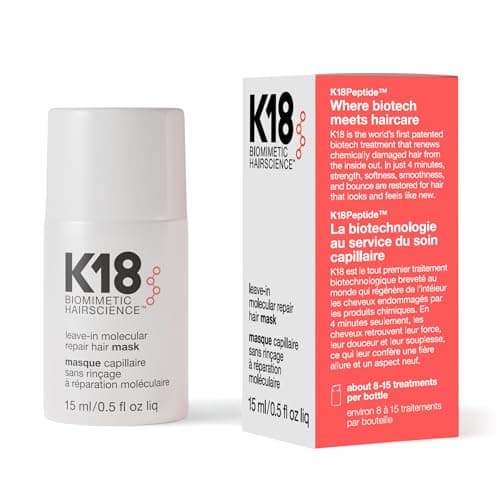
- Leave-in treatments. Applied to towel-dried hair, left on, no rinse. Formulated to be thin because they have to be — nobody can wear a heavy mask all day. The safest category for fine hair, which is why the top pick is one.
- Water-based rinse-out masks. Hydration carried in a light aqueous base rather than in butters. Workable weekly on the lower two thirds.
- Butter- or oil-based rinse-out masks. Excellent on coarse and coily hair and the usual reason someone concludes fine hair "cannot use masks". They can, just not these.
The second variable is where you put it. A mask applied an inch from the scalp flattens fine hair regardless of what is in it — and that is a free mistake to stop making. How to use a hair mask has the amounts and timings.
How we picked these five
1. Sorted by weight, lightest first. The same logic as the conditioner list for fine hair, and for the same reason.
2. One leave-in at the top. If a single format suits fine hair best, the list should say so rather than ranking five rinse-out tubs.
3. Moisture and protein kept separate. Fine hair gets stiff on protein faster than coarse hair does, so the table labels which is which.
4. A real budget pick. The cheapest tub here is a drugstore purchase and it is on the list on merit, with its limits stated.
5. No scores, no claimed testing. A role and a disqualifier per pick.
We have not used these products ourselves. They are chosen from what is in the formula, what those ingredients are documented to do, and whether that matches the problem this page is about — and every product below links to the manufacturer's own page so you can check the formulation claims yourself. The full method is here.
The five, lightest first
| Mask | Format | Moisture or protein | Apply from |
|---|
| K18 Leave-In Molecular Repair Mask | Leave-in, four minutes | Peptide repair, per the brand | Mid-length down |
|---|
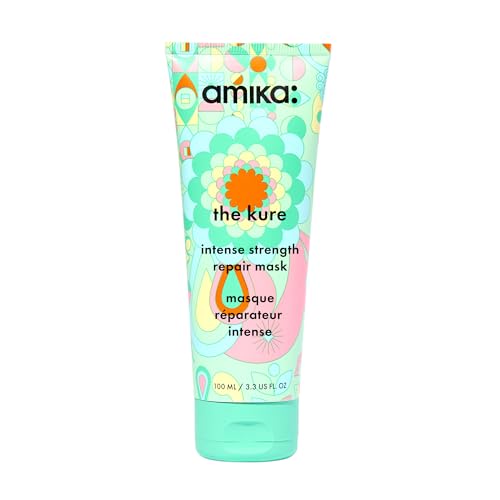
| amika The Kure | Rinse-out, weekly | Strength-led | Mid-length down |
|---|
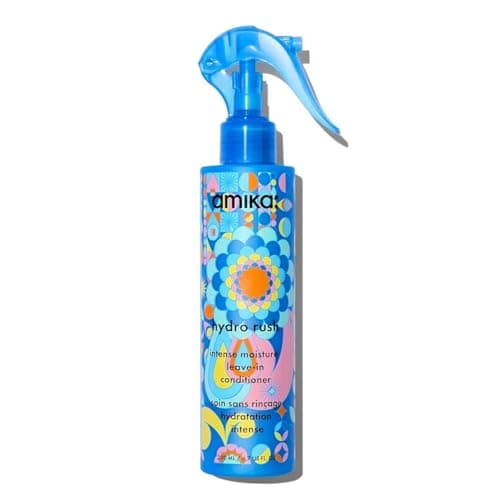
| amika Hydro Rush | Rinse-out, weekly | Moisture, water-based | Lower two thirds |
|---|
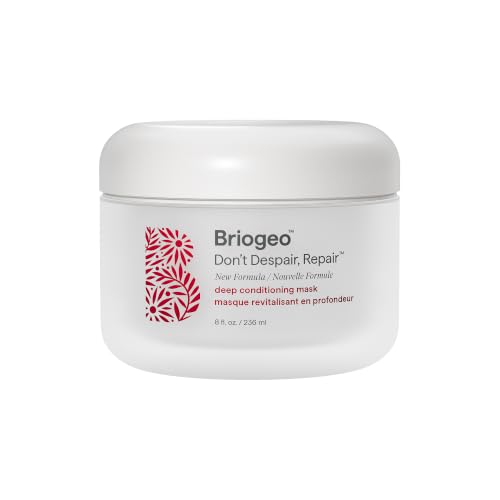
| Briogeo Don't Despair, Repair! | Rinse-out, weekly | Balanced | Lower two thirds |
|---|
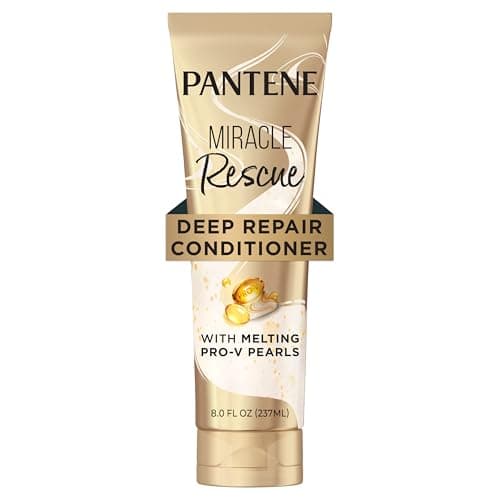
| Pantene Miracle Rescue | Rinse-out, weekly | Moisture-led | Lower two thirds only |
|---|
How to mask fine hair without losing volume
- Half the amount you would use on thick hair. A mask is not a quantity-dependent product below a certain threshold; more of it does not mean more effect, it means more residue.
- Nothing above the ears. Roots are the newest, least damaged hair on your head and they are where flatness shows.
- Rinse longer than feels necessary. Then rinse again. Residue is the whole problem.
- Once a week, not twice. Fine hair goes over-conditioned faster than coarse hair, and limp hair that feels soft is the symptom.
- Clarify monthly. One clarifying wash resets weeks of accumulated weight — the clarifying shampoo roundup covers that step.
Which pick for which fine hair
Fine and bleached or heat-damaged. The K18 leave-in. This is the case the format exists for, and the bond repair shortlist covers the wider category.
Fine and dry rather than damaged. The amika Hydro Rush or the Pantene, both moisture-led. Pair with a light daily conditioner rather than relying on the weekly step alone.
Fine, snapping, and already feels stiff. Stop buying protein. That is protein overload, and the fix is the Hydro Rush or the Pantene, not the Kure.
Fine and thinning. Masks are cosmetic here and that is fine, but do not expect density. Shedding against loss is the page to read first.
What not to buy
Anything built on shea butter or coconut oil. Written for coarse and coily hair, excellent there, and the reason people with fine hair give up on masks.
An overnight or leave-on-for-an-hour mask. Dwell time past the stated minutes does nothing extra, and on fine hair it guarantees residue.
A volumising mask. Volumising formulas coat the strand to add apparent thickness, which is the opposite of what a treatment step is for, and they build up.
How we picked
Products we have personally tested: none
Most hair care roundups are written in a "we tested these" voice. We have not, and saying so is the point. These picks are chosen the way an informed shopper would choose them: read what is actually in the formula, check what those ingredients are documented to do, match that against the specific problem the page is about, and confirm the product is still being sold.
Each pick gets a role — the drugstore option, the one for high porosity, the gentlest of the set — rather than a score out of ten, because a score would imply a measurement nobody took. Nobody pays for inclusion or placement, and when the cheap product is the right answer we say that too. The full method is on one page.