What Olaplex actually does, and why people look for alternatives
Start with credit where it is due, because it makes the rest of this page make sense. Olaplex created the bond-repair category. Its patented active, bis-aminopropyl diglycol dimaleate, is described by the company as working on broken disulfide bonds inside the strand rather than coating the surface, and no competitor sells that exact molecule (Olaplex, Nº.3 product page). If a page tells you some $12 jar is "the same thing", it is wrong on the chemistry.
The damage it is aimed at is real and well documented. Electron-microscopy work on bleached hair describes cuticle cells separating and breaking, with significant loss of the lipids that protect the fiber (effects of excessive bleaching on hair, PMC), and reaching the inside of the strand needs chemistry rather than conditioner.
So why do so many people search for an alternative? Four reasons, and they call for different answers:
- Price per use. A salon jar used weekly is a standing expense, and for some readers the honest fix is a cheaper product in the same slot.
- Routine friction. Nº.3 is a pre-shampoo treatment, which means it adds a step before the shower rather than inside it.
- It did not do what they hoped. Usually because their hair was dry rather than bond-damaged, and no bond treatment addresses dryness.
- Formula preferences. Silicone-free, protein-free or fragrance-free constraints that a specific Olaplex product does not meet.
Only the first two call for a like-for-like swap. The third means you have been shopping in the wrong category, and bond repair treatments explained is the page that sorts out which problem you actually have before you spend anything.
How we picked these five
1. Sorted by what they replace, not by what they cost. Two of the five carry repair chemistry of their own. Three replace the result people wanted — softer, stronger-feeling, less-breakable hair — by a different route. Both are valid purchases and the table says plainly which is which.
2. One true like-for-like, with its own patented active. Not a "bond-building complex" with no stated mechanism. If a product claims to work inside the strand, we want the maker to name what does it.
3. A real budget pick, not a token one. The cheapest pick here is a drugstore conditioner, and it is on the list because for a large share of readers it is the correct purchase rather than the consolation prize.
4. Stackable or not, stated. Three of these lean protein. Doubling up on protein-leaning products is the most common way hair gets worse while you spend more, so every card says where it sits — protein overload has the ten-second strand test.
5. No scores, and nothing we claim to have tested. Each pick carries an editorial role and a specific disqualifier instead of a number.
We have not used these products ourselves. They are chosen from what is in the formula, what those ingredients are documented to do, and whether that matches the problem this page is about — and every product below links to the manufacturer's own page so you can check the formulation claims yourself. The full method is here.
The five, side by side
| Alternative | Replaces | Own repair active? | Format | Price bracket |
|---|
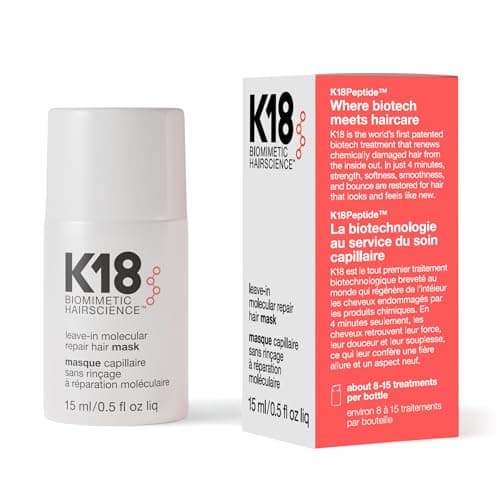
| K18 Leave-In Molecular Repair Hair Mask | Nº.3, like for like | Yes — the brand's peptide | Leave-in, 4 minutes | Salon |
|---|
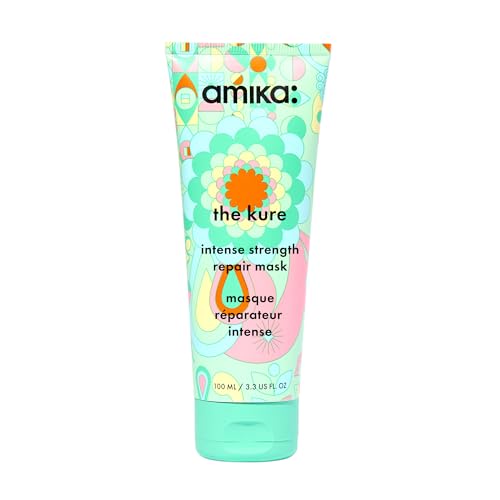
| amika The Kure Intense Strength Repair Mask | Nº.3 or Nº.8, in-shower | Brand's bond complex | Rinse-out mask | Salon |
|---|
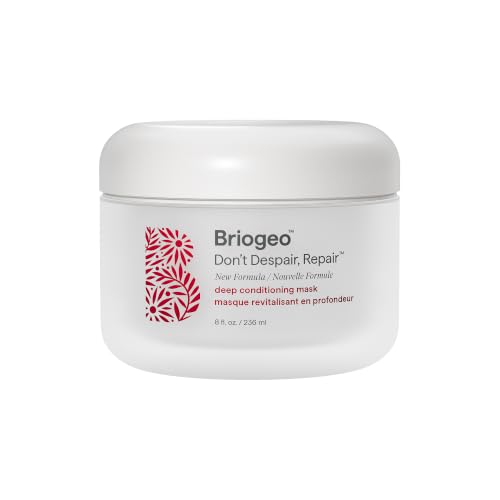
| Briogeo Don't Despair, Repair! | The soft-hair result | No — moisture | Rinse-out mask | Mid to salon |
|---|
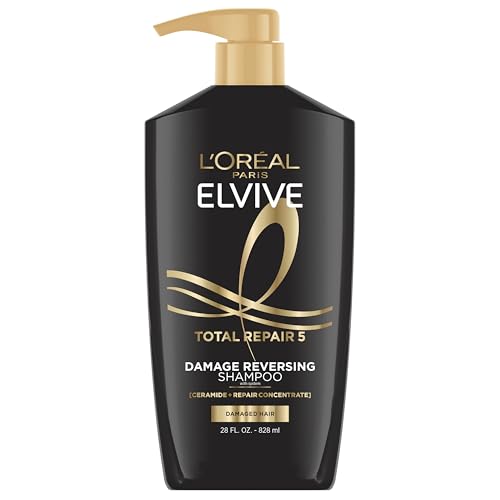
| L'Oréal Elvive Total Repair 5 Shampoo | Nº.4 | No | Shampoo | Drugstore |
|---|
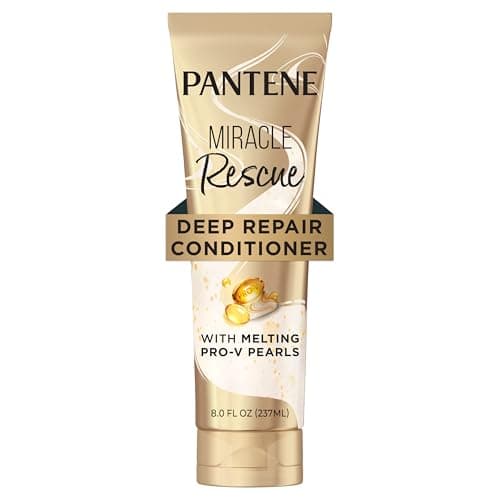
| Pantene Miracle Rescue Deep Repair Conditioner | The weekly jar | No — moisture | Rinse-out, 1-3 minutes | Drugstore |
|---|
Read the third column first. If the answer you need there is "yes", your list is two products long and both are priced like Olaplex, because the chemistry is the expensive part. If what you actually want is hair that feels better, the bottom three do that for a fraction of the money and the same argument we make about premium hair oils applies here.
The closest like-for-like swap
K18 is the only product on this page that competes with Olaplex on its own terms. It carries its own patented peptide, which the brand states reconnects polypeptide chains and disulfide bonds broken by bleach, color and heat, and it is pH-optimized so the cuticle does not swell during the treatment.
The practical differences matter more than the molecules:
- Format. Nº.3 goes on before you shower and gets rinsed. The K18 mask goes on towel-dried hair afterwards and stays. Neither is better; one of them fits your morning and the other does not.
- Time. Four minutes for K18, and then you are done — no conditioner after it, which the brand is specific about. Nº.3 wants ten minutes plus a normal wash and condition on top.
- Fussiness. K18 asks for bare, towel-dried hair with nothing else on it. If you layer products straight out of the shower, that is a real constraint rather than a detail.
- Cost per use. Both are salon-priced. K18 uses less per application but the bottles are smaller. Treat them as the same tier and choose on routine.
Autocomplete pairs these two brands constantly, and our Olaplex vs K18 comparison works the decision through on routine rather than on patents. If the product you are replacing is the shampoo rather than the treatment, K18 vs Olaplex shampoo covers that separately — only one of the two is a repair shampoo.
If it is Nº.4 you are replacing
"Olaplex alternative shampoo" is one of the most common versions of this search, and it has a cleaner answer than the treatment question does.
Nº.4 is a good bond-maintenance shampoo. It is also the easiest Olaplex product to stop buying, because a shampoo sits on your hair for sixty seconds and then goes down the drain. Contact time is what bond chemistry needs, and a cleanser is the step with the least of it.
Two sensible routes. Same tier, different brand: a sulfate-free repair shampoo built for chemically treated hair, which is the slot amika's The Kure shampoo occupies. Or spend less here and more on the treatment: the Elvive repair shampoo cleans damaged hair without stripping it, carries no bond claim and does not pretend to, and the money saved buys a better weekly treatment. That second route is the one we would take.
One caution: Elvive Total Repair 5 contains sulfate cleansers, so it is the wrong pick in the weeks right after a color service. Color-safe shampoos is the list to use then, and shampoos for damaged hair ranks the category properly.
The cheap end, honestly
Here is the part most "dupe" pages get wrong. There is no cheap product that does what Olaplex Nº.3 does, and anything claiming to be a dupe of a patented active is selling you a conditioner with confident copy.
What a cheap product can do is deliver the outcome a lot of people were hoping for: hair that feels softer, combs more easily and breaks less when wet. Reducing combing friction genuinely reduces breakage, and that is most of what people experience as "repair". A drugstore deep conditioner used every week will beat a salon jar used once a month, for the same reason a cheap gym you go to beats an expensive one you do not.
So the budget route is a rinse-out moisture treatment at a price you will actually re-buy, used weekly, on the lengths and ends only. The Pantene pick is that product. It is moisture, not structure, and we would rather say so than imply otherwise — conditioner vs hair mask covers when the extra step is worth it, and the mask shortlist has options at every price.
What is not an Olaplex alternative
Four categories get recommended as substitutes and are not, and avoiding them is worth more than picking the right jar.
A hair oil. An oil is a surface treatment. It smooths, it shines, it reduces friction, and it does not reach the inside of the strand. That includes the ones with "bonding" on the label — the bonding oil roundup sorts out which two carry real chemistry and which are very good oils with very good names.
A keratin or protein treatment used on top of a bond treatment. Both lean protein, and stacking them is the standard route to stiff, straw-textured hair that snaps rather than stretches. One protein-leaning product in the routine, not three.
A DIY recipe. No kitchen ingredient re-forms a disulfide bond, and some of the popular ones sit at a pH that lifts the cuticle further.
A clarifying shampoo. It removes buildup, which can make hair feel worse before it feels better, and it addresses nothing structural — scalp scrub vs clarifying shampoo is the page for that decision.
When to keep buying Olaplex
Three situations where switching is the wrong move, and they are common.
It is working. If your hair stopped snapping after you started Nº.3, that is the product doing the thing it was built for, and swapping it for a conditioner to save money per jar is a false economy. Buy the cheaper shampoo instead. If it is the price cap itself you are shopping to, we run the same exercise with a hard number on the growth picks under $30.
You are mid-way through a lightening plan. Hair being lifted repeatedly is the exact case the chemistry exists for, and the weeks around a bleach service are the worst time to run an experiment — shampoos for bleached hair and masks for bleached hair are the supporting cast for that period.
You need protein-free. Olaplex's Rich Hydration Mask is formulated without protein, which is unusual for a repair brand and is the reason to pick it if previous protein treatments left your hair brittle. Several of the alternatives on this page lean the other way, so that constraint can rule them out — our Olaplex review goes through the range product by product.