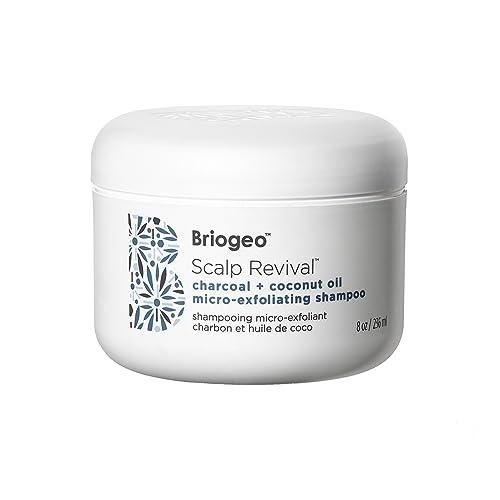
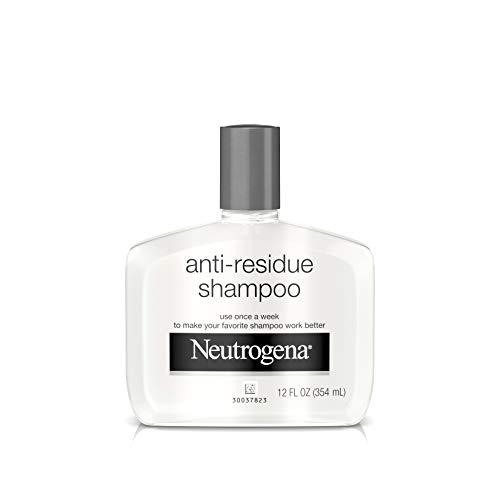
They treat different surfaces
These two products are stocked next to each other, described in almost identical language — "reset", "detox", "deep clean" — and sold to people with completely different complaints. The distinction is simple once stated.
A scalp scrub works on skin. It is an exfoliant with physical particles — salt, sugar, charcoal or a polymer bead — suspended in a cleansing base. You massage it into the scalp, where it lifts dead skin cells, flakes and the sebum trapped in them, and then rinse. The hair is incidental; the scalp is the target. Scalp skin behaves like skin anywhere else on the body, and the dermatology literature treats hair and scalp health as one subject for exactly that reason (hair cosmetics overview, Int J Trichology).
A clarifying shampoo works on hair. It is an ordinary shampoo with a stronger or less buffered surfactant system, so it removes the layer that regular shampoo washes around: silicone from conditioners and serums, polymer from styling products, dry shampoo powder, and the mineral deposit left by hard water. It travels the length of the strand. It is not an exfoliant and it does nothing mechanical to the skin.
So the question is not which is stronger. It is which surface your problem is on.
A 10-second test for which one you need
Push your hair aside at the crown and look at the scalp in good light, then run a strand between your fingers.
- Visible flakes, redness, tightness or itch; hair greasy within a day of washing. That is a skin problem. A scalp scrub is the right purchase, and the scalp buildup guide covers what causes it and what else helps.
- Scalp looks fine; the hair feels coated, slippery-then-dull, and conditioner has stopped making a difference. That is a residue problem on the hair. A clarifying shampoo is the right purchase.
- Both. Common in people who use a lot of dry shampoo, and the order matters — see below.
- Greasy roots but dry, rough ends. Neither product alone solves this; it is a placement problem as much as a cleansing one, and the oily-roots-dry-ends shortlist is written specifically for it.
The reason this test is worth doing rather than buying both: used on the wrong complaint, each product makes things slightly worse. A clarifying shampoo on a dry, flaking scalp strips the little sebum protecting it and increases the itch. A scalp scrub on hair that is coated with silicone exfoliates skin that was not the problem and leaves the film on the lengths untouched.
Side by side
| Scalp scrub | Clarifying shampoo |
|---|
| Target | The skin on your scalp | The length of the hair |
|---|
| Mechanism | Physical exfoliation plus a mild cleanser | A stronger surfactant system |
|---|
| Fixes | Flaking, itch, trapped sebum, product sitting at the roots | Silicone and polymer buildup, dry shampoo residue, hard-water film |
|---|
| Does not fix | Coated or limp lengths | Flaking, itching or a tight scalp |
|---|
| Typical cadence | Once a week to once a fortnight | Every two to four weeks |
|---|
| Main risk | Over-scrubbing an irritated scalp | Drying out colored or already-dry hair |
|---|
Note the last row, because it is the one people discover the hard way. Neither product is gentle, and both are designed to be used occasionally rather than in place of your normal wash.
We have not used these products ourselves. They are chosen from what is in the formula, what those ingredients are documented to do, and whether that matches the problem this page is about — and every product below links to the manufacturer's own page so you can check the formulation claims yourself. The full method is here.
How often to use either
Scalp scrub: once a week if your scalp is oily, once a fortnight otherwise. Use it on wet hair before shampoo, with fingertips rather than nails, and spend the time on the scalp instead of dragging the grit through your lengths — the particles do nothing useful to hair and a lot of friction. If your scalp is actively sore or broken, do not scrub it at all.
Clarifying shampoo: every two to four weeks, and after anything unusual. A week of heavy dry shampoo, a chlorinated pool, a holiday in a hard-water area, or a month of silicone serums all justify an off-schedule wash. Follow it with conditioner or a mask every time — a clarifying pass leaves the cuticle bare and the conditioning step is not optional afterward.
Two cautions worth being specific about. If your hair is colored, clarifying will shift the tone, and whether clarifying shampoo strips color answers that honestly — and if you are blonde, the blonde wash pair shows where a clarifying wash fits around the toning one — the short version is that it removes some deposited pigment and that is a real cost. And if you lean on dry shampoo, you are in the cycle described on dry shampoo against clarifying shampoo, where the powder itself is what makes the next wash feel greasy sooner.
When you genuinely need both
There is one routine where both earn a place, and it is more common than it sounds: heavy dry shampoo use, or a lot of styling product, on a scalp that is already oily. That combination builds a layer that is part skin and sebum at the root and part polymer and powder along the strand, so each product reaches only half of it.
The order that works:
- Scrub first, on wet hair. Work it into the scalp only, for a minute or so, and rinse thoroughly.
- Clarifying shampoo second, through the lengths, as your actual wash.
- Conditioner or a mask third, ears down, and be generous — you have just removed everything, including the things that were helping.
Do that once a month at most. Doing it weekly is how people end up with a scalp that produces more oil rather than less, and with ends that feel like paper. If you find yourself wanting it weekly, the honest read is that your everyday shampoo is wrong for you rather than that you need a stronger reset — shampoos for oily hair is the page for that, and how often to wash your hair usually explains the rest of it.
When neither is the answer
Three situations where buying either product is spending money on the wrong problem.
Persistent flaking with visible redness or greasy yellow scale. That pattern points at dandruff or seborrheic dermatitis rather than buildup, and the treatment is an active ingredient rather than exfoliation — the American Academy of Dermatology sets out the approach (AAD, how to treat dandruff). Our dandruff shampoo picks are the right category, and a scrub alongside a medicated shampoo can help it reach the skin — it is not a substitute for it.
A scalp that is dry and tight rather than oily. Exfoliating dry skin on the scalp and then washing it with a stronger surfactant is a route to more irritation, not less. Shampoos for a dry scalp and scalp oils are the opposite approach and the correct one.
Dull hair in a hard-water area. A clarifying shampoo helps for a day or two and then the film returns, because the cause arrives with every shower. Hard water and your hair covers what actually changes the outcome there, and it is not a stronger shampoo.