What Olaplex actually is
Olaplex is built around a single patented active, bis-aminopropyl diglycol dimaleate, which the company states targets broken disulfide bonds inside the hair rather than coating the outside of it. That claim is the entire proposition, and it is a genuinely different one from what a conditioner makes.
The distinction matters because of what bleach does. Disulfide bonds are the cross-links that give a hair strand its structural strength. Bleaching breaks them, and electron microscopy of bleached hair describes cuticle cells separating and breaking, and in severe cases the cuticle lifting away entirely to expose the cortex (bleaching microstructure study, PMC). Conditioner addresses none of that. It makes the surface of a broken strand smoother and softer, which is why severely bleached hair can feel lovely and still snap off in the brush.
So Olaplex is not a conditioner that costs more. It is a different product category with a narrower purpose, and the single most useful thing to know about it is whether you are in that purpose. The wider explainer is bond repair treatments explained.
The numbers, decoded
The naming is the main reason people buy the wrong one, because the numbers are a product sequence rather than a strength scale. A higher number is not a stronger product.
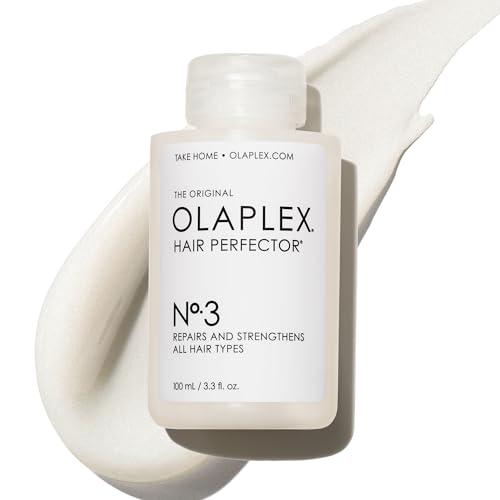
- No.3 — the pre-shampoo treatment. This is the home product that carries the chemistry and the one to buy first. Applied to damp hair before washing, left on, then shampooed out.
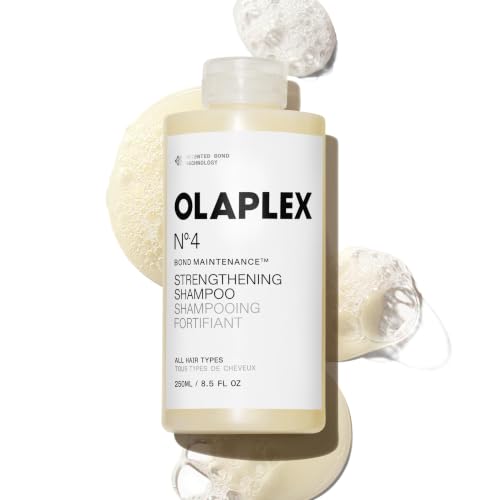
- No.4 — the bond maintenance shampoo. A shampoo with the active in it. Contact time is seconds, so it maintains rather than repairs.
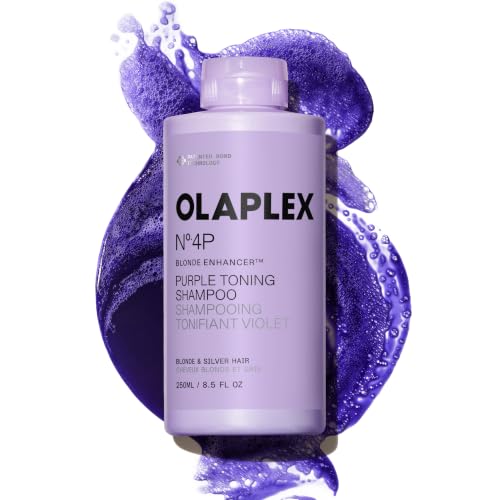
- No.4P — the blonde toning shampoo. The same base with violet pigment for brass. The only purple shampoo that also carries bond chemistry, which is a real differentiator — best purple shampoo ranks it against the rest.
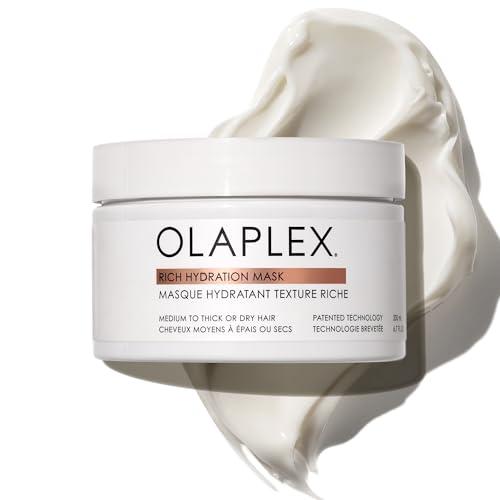
- No.5 — the conditioner, and the Rich Hydration Mask, which the maker states is formulated without protein. These are the moisture side of the range rather than the repair side.
- No.0, 6, 7, 8, 9 and the rest are a primer, a leave-in, an oil, a mask and a scalp serum. All reasonable products; none of them is the reason to buy Olaplex.
- No.1 and No.2 are salon-only and are what your colorist uses during the appointment. You cannot buy the in-salon service in a bottle.
The practical version: No.3 is the product. Everything else is a routine built around it, and you do not need the routine to get the benefit.
Does it work? Honestly
On the right hair, yes, in a way that is noticeable rather than subtle: bleached hair that was snapping when combed wet stops snapping, and the ends hold together. That is the effect people report consistently and it is the effect the chemistry predicts.
Three honest qualifications, because this is a brand that attracts both evangelism and backlash.
It does not undo damage. It addresses a specific kind of damage well enough that the hair behaves better. Hair is not a living tissue and nothing restores a strand to its pre-bleach state. Expect fewer broken ends, not new hair.
It can feel worse at first. No.3 contains no surface lubricant, so hair often feels rough or squeaky straight after rinsing. That is the product working as designed, not a dud bottle — and it is why a bond treatment is followed by conditioner rather than used instead of it. The distinction is set out in hair treatment vs conditioner.
Overuse is a real failure mode. Used two or three times a week on hair that does not need it, Olaplex produces stiff, brittle, straw-like hair that snaps. That is the same presentation as protein overload, and it is behind a significant share of the negative reviews. Once a week is the cadence; less if your hair is not chemically processed.
We have not used these products ourselves, and we are not claiming otherwise. The assessment above is from the formulation, the manufacturer's stated mechanism and what the published work on bleach damage establishes about the problem it targets. The method is at how we pick.
Who it suits
- Bleached, highlighted or balayaged hair. The core case, and the clearer the bleach history, the better the value. The narrower shortlists are shampoo for bleached hair and hair masks for bleached hair.
- Permed, relaxed or chemically straightened hair, where the same bonds were broken deliberately.
- Hair that snaps mid-length when wet. The symptom that maps most directly onto what the chemistry addresses.
- Fine hair with real damage. This is an underrated fit: No.3 contains no heavy silicones or oils doing the work, so it does not flatten fine hair the way a rich repair mask does.
- Anyone coloring regularly who wants the wash step to stop working against the treatment — that is the case for No.4, and only alongside No.3.
Who should buy something else
- Virgin hair that is just dry. The most common wasted purchase on this site. If your hair has never been colored or chemically treated, the bonds are intact and there is nothing for the chemistry to do. A weekly moisture mask does more for a quarter of the price — the mask shortlist.
- Anyone whose problem is frizz. Frizz is a moisture and cuticle problem. Olaplex does not target it, and a mask for frizzy hair is the right category.
- Anyone whose problem is a scalp. Different product class entirely.
- Anyone already using several protein and repair products. Adding a fourth is how hair ends up stiff rather than strong.
- Anyone on a tight budget whose damage is mild. A drugstore repair shampoo and a cheap mask cover mild damage adequately — best drugstore shampoo and are expensive shampoos worth it are both honest about where the money goes.
Using it properly, which changes the result
No.3 is applied to damp, towel-dried hair — not soaking wet, which dilutes it, and not bone dry, which makes it impossible to distribute. Comb it through the lengths and ends with a wide-tooth comb. Leave it on for at least ten minutes, longer if you like, then shampoo and condition as normal. It is a pre-shampoo step, not a mask, and skipping the conditioner afterwards is why some people find it leaves hair rough.
Once a week is right for most damaged hair. Twice in a week is defensible immediately after a heavy bleach appointment, and then back to weekly. If your hair starts feeling stiff rather than strong, stop for a fortnight and use a moisture mask instead.
You can mix brands. Olaplex and K18 use different chemistries and are not antagonistic — Olaplex vs K18 takes the two head to head, including who should buy neither.
Verdict
Olaplex is one of the few premium hair care propositions where the price is attached to something specific rather than to packaging. The chemistry is real, the target is narrow, and the brand is unusually clear about what it is for.
Buy No.3 if your hair is chemically damaged and snapping. Add No.4 if you color regularly and want the routine consistent, or No.4P instead if you are blonde. Buy the Rich Hydration Mask if what you actually have is dryness and you want it from this brand.
And do not buy any of it for virgin hair that is merely dry, which is where most of the disappointment with this brand comes from. The product did not fail; it was answering a question nobody asked. The AAD's general guidance on handling damaged hair — gentler washing, less heat, careful detangling — is free and does more for that hair than any bottle (AAD, tips for healthy hair).
We have not used these products ourselves. They are chosen from what is in the formula, what those ingredients are documented to do, and whether that matches the problem this page is about — and every product below links to the manufacturer's own page so you can check the formulation claims yourself. The full method is here.