Before any of this: the American Academy of Dermatology is clear that effective treatment for hair loss starts with finding the cause, and that getting an accurate diagnosis means seeing a board-certified dermatologist (AAD, hair loss diagnosis and treatment). Thyroid disease, low iron, hormonal change and medication all cause shedding, and no cosmetic product on this page addresses any of them.
What $30 actually buys in this category
The growth aisle has the widest price spread in hair care and the narrowest range of honest claims. A premium peptide serum and a drugstore volumizing shampoo both talk about thicker, fuller hair. Neither is allowed to tell you it will treat hair loss, because neither can, and the ones that imply otherwise are the ones to walk away from.
That matters for a price-capped page, because it means the cap costs you less than it would in almost any other category. What you are buying at every price point here is one of three things:
- A cosmetic appearance effect. Coating the strand so it occupies more space, which reads as thicker hair. Real, visible, immediate, and gone when you stop.
- Breakage reduction. Less friction when combing wet hair means you keep the length you grow. This is the most underrated effect in the category and the cheapest to buy.
- A scalp environment claim. Hydration, comfort, reduced flaking. Worth having on its own terms; not the same as growing hair.
None of those three gets meaningfully better above $30. What does change above $30 is the packaging, the clinical-sounding language and the number of peptides named on the box. Our page on whether growth serums work goes through the evidence properly, and why hair thins is the page to read first if you have not worked out which pattern you have.
How we picked these five
1. Live price under the cap, checked rather than remembered. Every pick here sat under $30 against this site's own daily price feed, with room to spare rather than sitting on the line. Prices move, so the number you see on each card is the current one — if a pick has drifted above the cap on the day you read this, the card will tell you and we would rather that than a stale claim.
2. The whole routine, not five versions of one product. A serum, a scalp oil, a leave-in, a scalp hydrator and a wash. Buying five serums is how people spend $150 and change nothing.
3. Claims read as written. "Strengthening" is a conditioning claim. "The appearance of density" is an appearance claim. "Thicker-looking" is a coating claim. We have kept the manufacturers' wording and not upgraded any of it.
4. A genuine budget pick. The cheapest item here costs single digits and is on the list on merit, not as a token.
5. No scores, and nothing we claim to have tested. Each pick carries an editorial role and a specific disqualifier instead of a number.
We have not used these products ourselves. They are chosen from what is in the formula, what those ingredients are documented to do, and whether that matches the problem this page is about — and every product below links to the manufacturer's own page so you can check the formulation claims yourself. The full method is here.
The five, side by side
| Pick | Step it covers | What it can honestly claim | How long before you judge it |
|---|
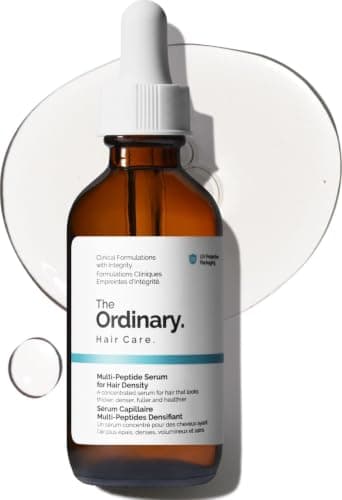
| The Ordinary Multi-Peptide Serum for Hair Density | Daily leave-on serum | Appearance of thickness and fullness, per the brand | Months of consistent use |
|---|
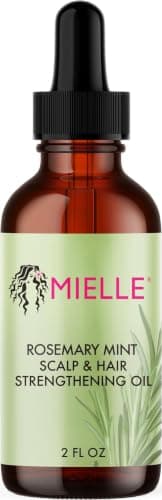
| Mielle Rosemary Mint Scalp & Hair Oil | Scalp and ends oil | Strengthening and scalp conditioning — not growth | Weeks for scalp comfort |
|---|
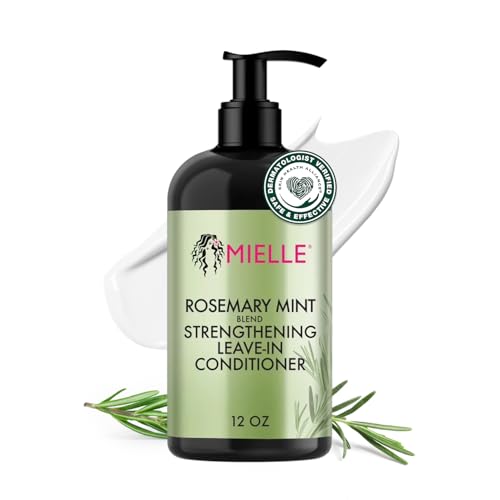
| Mielle Rosemary Mint Strengthening Leave-In | Daily leave-in | Less breakage, so more retained length | Weeks, measured by how much sheds on the comb |
|---|
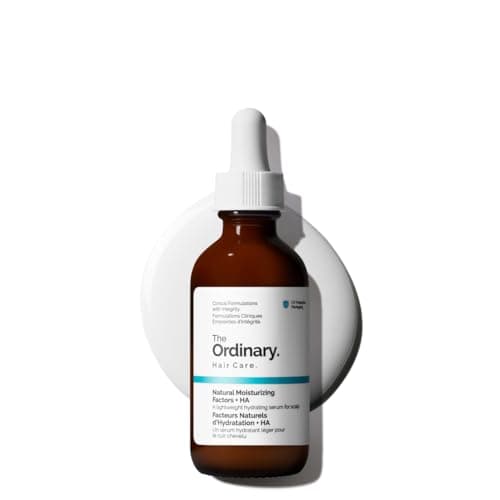
| The Ordinary Natural Moisturizing Factors + HA for Scalp | Scalp hydration | Scalp hydration and barrier support, per the brand | Days to weeks for comfort |
|---|
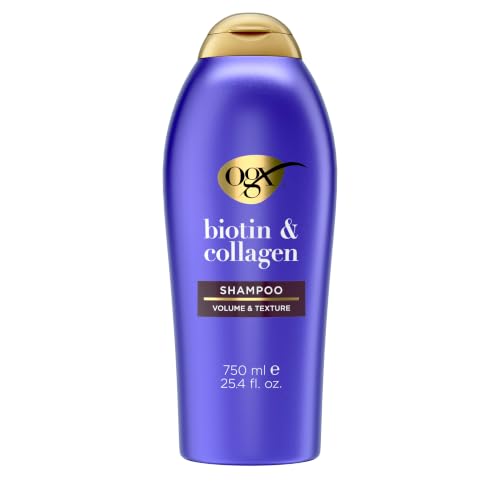
| OGX Thick & Full Biotin & Collagen Shampoo | Wash | Thicker-looking hair by coating the strand | One wash |
|---|
Read the third column and the category sorts itself honestly. One of these is an appearance-of-density claim, two are breakage and conditioning claims, one is a scalp claim and one is a coating effect you will see immediately. Not one of them is a treatment, and the American Academy of Dermatology is clear that effective treatment for hair loss starts with finding the cause through a board-certified dermatologist (AAD, hair loss diagnosis and treatment).
Where the price gap is real, and where it is not
The honest comparison for this page is against the premium end of the same registry. The best-known non-minoxidil serum in this category costs roughly the price of all five picks above put together, and its headline claim is also about appearance rather than treatment.
What the premium tier does buy: more peptides named on the label, better applicators, a cleaner cosmetic experience, and in some cases the brand's own published consumer-panel figures. Some people find that worth it, and we are not going to pretend the formulas are identical.
What it does not buy: a different regulatory category. A $64 cosmetic serum and a $24 cosmetic serum make claims of the same kind, and neither is minoxidil. If what you actually want is the clinically studied route, hair serum vs minoxidil lays out the difference plainly, and Vegamour vs minoxidil works through the most-searched version of that comparison.
There is one more honest point in favor of the cheap end: consistency. Every appearance claim in this category depends on months of daily use, and people are far more consistent with a bottle they do not resent re-buying. A $9 oil used nightly for six months beats a $64 serum used for three weeks and then saved for best. The same pattern shows up in the finishing-oil aisle, where the Moroccanoil alternatives cost a fraction of the original and do most of the visible job.
Building the routine under the cap
You do not need all five. Two sensible builds, both comfortably inside the cap in total:
If your worry is density. The peptide serum daily on the scalp, plus the strengthening leave-in on the lengths to stop losing what you grow. That is the combination that addresses both ends of the problem — our growth routine guide sets out the order and the cadence.
If your worry is that your hair looks thin rather than that it is. The volumizing wash plus the leave-in. This is a cosmetic problem with a cosmetic answer, it works from the first wash, and thickening shampoos for fine hair ranks that category properly.
A few practical notes that apply either way:
- Serum on the scalp, leave-in on the lengths. They are not interchangeable, and a serum used on the lengths is wasted money.
- Oil is not a leave-on scalp treatment for an oily scalp. If your roots are greasy by day two, adding oil will not help whatever the marketing says — shampoos for oily hair is the right page.
- Clarify monthly if you use the coating shampoo. Volumizing agents build up, and buildup at the root flattens hair — which is the opposite of the point.
- Photograph the same part in the same light monthly. It is the only honest way to judge any of this, and memory is useless over six months.
Which pick suits which situation
Five products at this price are only a saving if you buy the right one or two. These are the situations readers actually arrive with, and what we would put in the basket for each.
Fine hair that has always been fine. This is a cosmetic problem and the coating shampoo is the honest answer, with the leave-in to stop the breakage that makes fine hair look even thinner at the ends. Skip the oil entirely — fine hair and leave-on oil is the combination that produces greasy roots — shampoos for fine hair ranks the wash step for that hair type.
Hair that is getting thinner at the part. The peptide serum daily on the scalp is the category built for this, and the cap means you can commit to the months it needs rather than buying one bottle and stopping. The serum roundup covers the whole tier if you decide to spend more, and why hair thins should come first.
A dry, tight or flaking scalp as well as thinning. Deal with the scalp before the density claim. The watery scalp serum if your hair is fine, the rosemary oil if it is coarse enough to carry one. Neither treats dandruff — greasy yellowish flakes with a returning itch need an active ingredient, and dandruff shampoos are that category.
An oily scalp with hair that still looks thin. Nothing oil-based. The coating shampoo plus the lightweight scalp serum, and clarify monthly — shampoos for fine, greasy hair is written for exactly this combination.
Coily or protective-styled hair. The rosemary pair is the sensible build: the oil on the scalp and the leave-in on the lengths, since retention rather than growth rate is usually what limits length here. The manufacturer states the oil is safe for chemically treated hair and protective styles — the Black hair care shortlist covers the wider routine.
Shedding that started suddenly, or loss in patches. Buy nothing from this page yet. That pattern is the one that most often has a cause a product cannot touch, and it is the subject of the next section.
The thing worth more than all five
Spending nothing beats every product on this page in one specific situation, and it comes up constantly: thinning with a medical cause.
Thyroid disease, low iron, hormonal change, recent illness and several common medications all cause shedding, and no cosmetic product addresses any of them. The AAD's guidance is that getting the cause identified is the step that decides whether treatment works (AAD, hair loss causes). A blood panel and a dermatologist appointment cost less than a year of serum and are the only route to an answer.
Two patterns in particular should send you to a doctor before a shopping cart: shedding that started suddenly, and loss in patches or at a receding front rather than diffusely. Shedding against loss explains how to tell them apart, and it is the most useful page in this hub.
What not to buy at this price
Three things the under-$30 shelf is full of and none of them belongs in a routine.
Anything promising regrowth in weeks. Hair grows roughly half an inch a month at best, so a visible change in density cannot appear on that timescale regardless of what is in the bottle. A product making that promise is telling you how much to trust the rest of its label.
Ingestible gummies and supplements. Out of scope for this site deliberately: they are ingestibles rather than hair care, the evidence for them in people who are not deficient is thin, and some carry real risk at high doses. Whether biotin helps is the honest version of that question.
A fourth product in the same slot. The most common mistake in this category is buying a second serum because the first one has not worked yet. Pick one per step, give it the months the claim requires, and photograph the part rather than guessing.