What hair slugging actually is
Slugging borrowed its name from skin care, where it means sealing a face in an occlusive ointment overnight. The hair version is simpler than the name suggests: you saturate the mid-lengths and ends with oil, wrap them — classically in a long cotton sock, which is where the look comes from — sleep on it, and shampoo it out in the morning.
Two things are doing the work, and only one of them is the oil. The first is contact time: an oil that sits on hair for eight hours has a longer chance to coat the cuticle than one applied for three minutes. The second is protection: your ends are wrapped rather than dragging across a pillowcase all night, and friction while you sleep is a genuine source of breakage.
Note which half of the strand this is for. Slugging is a mid-lengths-and-ends technique. It is not a scalp treatment, and the people who get a bad result from it are usually the ones who took it to the roots.
What the evidence supports, and what it does not
There is no clinical trial of slugging. What there is evidence for is the ingredient most people slug with. A 2003 study in the Journal of Cosmetic Science compared coconut, sunflower and mineral oil on hair and measured protein loss after washing and combing. Coconut oil was the only one of the three that reduced protein loss, on both damaged and undamaged hair, applied before or after washing — attributed to its lauric-acid structure, which is small and straight enough to move into the fiber rather than sit on it (Rele & Mohile, J Cosmet Sci 2003).
One caveat we would rather state than bury: that study came from the research department of a company selling coconut hair oil. It is widely cited and its mechanism matches the chemistry, but it is not an independent trial, and no comparable study exists for argan, jojoba or castor oil.
What slugging cannot do is repair anything. Oils lubricate a surface; they do not rebuild broken bonds or re-form a damaged cuticle, and microscopy of over-processed hair shows structural changes an overnight soak has no mechanism to reverse (effects of excessive bleaching, PMC). If your hair snaps mid-length, bond repair is the category you need and slugging is a comfort measure on top.
Which oil to slug with
Pick by what your hair is actually doing, not by what is trending.
From the picks
What we would slug with
One oil with published protein-loss evidence for the classic overnight soak, one light single-ingredient oil for fine hair, and one silicone blend for people who want the finish rather than the treatment.
Best pre-wash oil
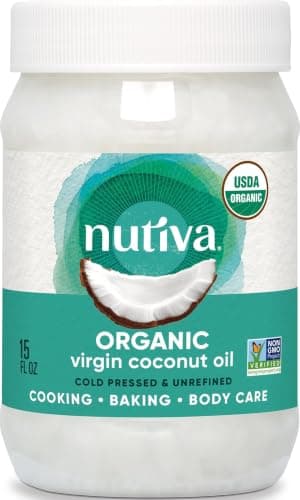
Nutiva Organic Virgin Coconut Oil
The only plant oil here with a published comparison behind it: of three oils tested, coconut oil was the one that reduced protein loss from both damaged and undamaged hair. It is a pre-wash soak rather than a finishing oil, and it behaves badly if you treat it as one.
The cheapest thing that works
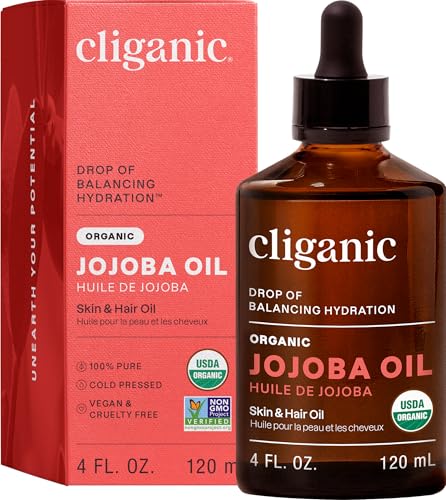
Cliganic Organic Jojoba Oil
One ingredient, cold-pressed, USDA-certified organic. Jojoba is a liquid wax rather than a triglyceride oil, which is why it sits lighter on a scalp than coconut or castor and rinses out without a fight.
Best finishing oil
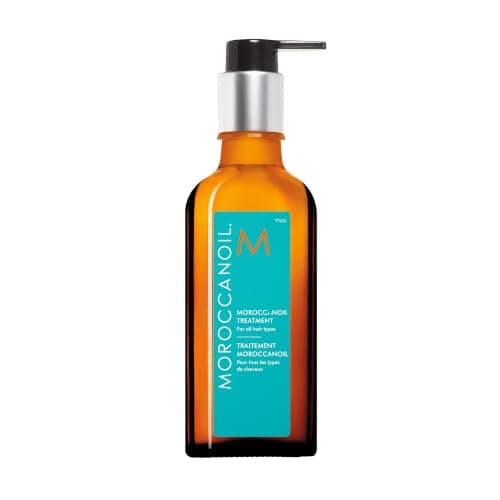
Moroccanoil Treatment Original
The product that started the argan-oil category and still the most useful version of it: a few drops through damp lengths smooths the cuticle and cuts drying time.
Coarse, bleached or heat-worn hair: coconut oil, melted in your palms first — it is solid below roughly 76°F. This is the version with the evidence behind it.
Fine hair, or a first attempt: jojoba. It is a liquid wax rather than a triglyceride, which is why it sits lighter and rinses out without a fight.
Hair that is more dull than damaged: a silicone-based argan blend will give you the smoother finish, though you are styling rather than treating, and it needs a clarifying wash every few weeks.
Avoid castor oil for this. It is thick, sticky and genuinely hard to remove — two shampoos minimum — which is a bad combination with eight hours of contact time. The natural oil shortlist has the full comparison.
How to do it without ruining your sheets
- Start on damp, not wet or bone-dry hair. Oil spreads evenly on damp hair and patchily on dry hair.
- A teaspoon or two, mid-lengths to ends. Keep it off the scalp entirely.
- Braid loosely, then wrap. A long cotton sock, a satin scarf or a silk bonnet. The wrap is doing as much as the oil.
- Shampoo twice in the morning if you used coconut oil. That is normal rather than a sign you overdid it.
- Once a week is plenty. More often and you are living in a shampoo-and-oil cycle that strips as much as it gives.
Who should skip slugging
Anyone with an oily scalp or oily roots. If you already fight grease, eight hours of occlusion near your head is the wrong move even if you keep the oil on your ends.
Anyone with dandruff or a flaking, itchy scalp. Dandruff involves a yeast that lives on scalp sebum, and the American Academy of Dermatology's position is that persistent flaking and itching need an active ingredient (AAD, how to treat dandruff). Feeding it oil is counterproductive.
Anyone prone to forehead or back breakouts. Oil migrates overnight no matter how carefully you wrap.
Anyone whose hair goes straw-like with coconut oil. A minority of people get stiff, brittle hair from it rather than soft hair. That reaction is well documented, it does not improve with persistence, and jojoba or argan is the switch to make.
The shorter version, which works about as well
Here is the part the trend leaves out: nothing in the research suggests eight hours beats one. The protein-loss study applied oil before washing, not overnight. Thirty to sixty minutes under a towel before you shampoo captures most of the benefit, costs you an evening rather than a night, and keeps the oil off your pillow.
If your goal is softer, stronger-feeling hair rather than a technique, the ranking of what actually moves the needle goes: stop the thing causing the damage, then a weekly mask, then a pre-wash oil soak, then a few drops of argan oil on damp ends between washes. Slugging is a more elaborate way of doing the third item on that list, and mask versus oil settles which to buy first if you can only have one.