Dry hair needs two conditioning slots, not one
The mistake that keeps dry hair dry is buying one conditioner and asking it to do two jobs. The two jobs are genuinely different:
- The daily rinse-out. Two minutes in the shower, every wash. Its job is slip — enough lubrication to comb wet hair without breaking it — plus a thin conditioning film that reduces how fast water leaves the strand afterwards. Cheap, and the step most often under-bought.
- The weekly treatment. Five to ten minutes, once a week, much richer. Its job is to put back what months of washing, heat and weather removed. This is where the money goes, and where a visible change comes from.
If you own one product and it is the weekly mask, you are breaking hair in the shower on the other six days. If you own one and it is the daily rinse-out, dryness accumulates faster than you replace it. Conditioner vs hair mask is the page that sets the distinction out properly, and treatment vs conditioner covers the third category that gets confused with both.
How we picked these five
1. Both slots covered. Two daily rinse-outs and three weekly treatments, which is roughly the ratio a dry-hair routine actually wants on the shelf.
2. Moisture and protein kept separate. Dry and damaged are not the same problem. Two of these are moisture-led, two are strength-led and one is balanced, and the table below says which is which rather than leaving you to guess from the front label.
3. A real budget pick. The cheapest weekly treatment here is a drugstore purchase and it is on the list on merit.
4. Every formulation claim cited to the maker. What is in a product and what the brand says it does comes from the brand's own page, labeled as the brand's claim.
5. No scores, no claimed testing. A role and a disqualifier per pick.
We have not used these products ourselves. They are chosen from what is in the formula, what those ingredients are documented to do, and whether that matches the problem this page is about — and every product below links to the manufacturer's own page so you can check the formulation claims yourself. The full method is here.
The five, side by side
| Pick | Slot | Moisture or protein | Hair it suits |
|---|
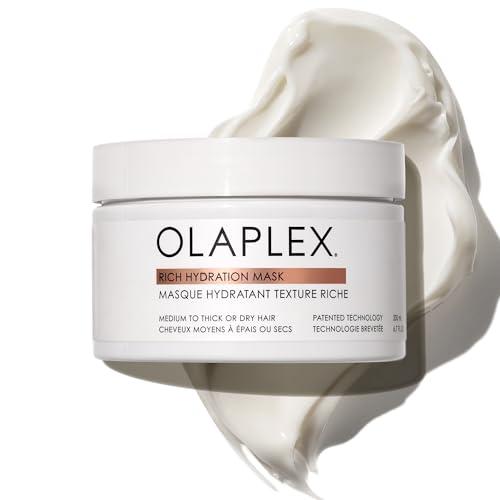
| Olaplex Rich Hydration Mask | Weekly treatment | Moisture-led | Dry, medium to coarse, colored |
|---|
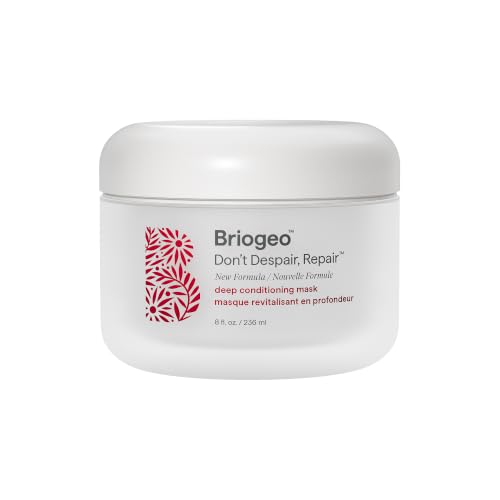
| Briogeo Don't Despair, Repair! | Weekly treatment | Balanced | Most dry hair, including untreated |
|---|
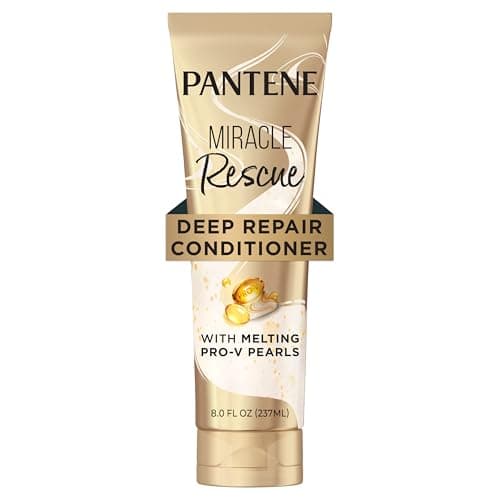
| Pantene Miracle Rescue | Weekly treatment or rich rinse-out | Moisture-led | Dry, any thickness, on a budget |
|---|
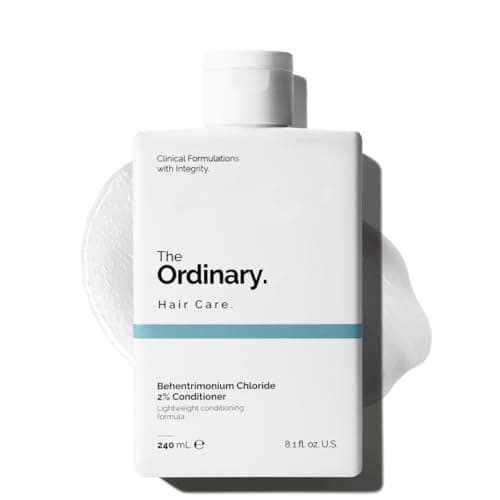
| The Ordinary Behentrimonium Chloride 2% | Daily rinse-out | Neither — pure conditioning agent | Fine to medium, easily weighed down |
|---|
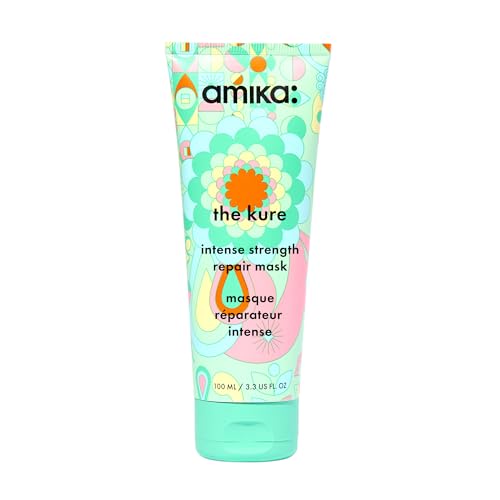
| amika The Kure | Weekly treatment | Strength-led | Bleached or over-processed, dry |
|---|
The third column is the one to read if your hair has ever felt worse after a "repair" product. Protein on hair that is short of water makes it stiffer, not softer, and the symptoms read like needing more protein — the test for that is simple.
Which pick suits which hair
Dry hair that has never been colored. The Briogeo weekly plus the Ordinary conditioner daily. You do not need a bond product — your problem is moisture, and the wash matters at least as much.
Colored or highlighted hair that is dry. The Olaplex mask. Color-treated hair loses water faster because the cuticle has been opened, and deep conditioners for colored hair is the more specific list.
Bleached hair that snaps as well as feels dry. The amika Kure, then reassess. If it is still snapping, the problem is bond damage rather than dryness and the bond repair shortlist is the right page.
Fine hair that is dry and goes flat. The Ordinary conditioner daily and nothing richer than the Pantene weekly. The rich masks on this page will cost you volume — masks that suit fine hair is written for exactly this.
Very dry ends on otherwise normal hair. Condition only the lower two thirds, and add an oil after the shower rather than a richer conditioner — oils for dry ends covers that.
How to get more out of any conditioner
- Squeeze the water out first. Conditioner applied to dripping hair is diluted before it touches the cuticle. Squeeze, do not rub.
- Mid-lengths and ends only. The roots are the newest, least damaged hair on your head and they do not need it.
- Give the weekly treatment the stated time. Most of the difference between people who rate a mask and people who do not is whether they left it on for the time on the tub.
- Do not skip conditioner to avoid weight. Use a lighter one. Washing without conditioning is how breakage starts, and the AAD's healthy-hair guidance puts conditioner on every wash (AAD, tips for healthy hair).
What not to buy
A third weekly mask. If two masks have not fixed it, the problem is not the mask. It is usually the wash, the heat, or the fact that the dryness is actually damage.
A protein treatment on top of a protein conditioner. Stacking strength products is the fastest route to hair that feels like straw.
A 2-in-1 as your only conditioner for dry hair. A shampoo-conditioner combination has to clean and condition in the same step, and the compromise lands on the conditioning side.