The actual difference: inside the strand versus outside it
These two words sit next to each other in the aisle and describe products that do structurally different things.
A conditioner is a surface product. Cationic conditioning agents, silicones and emollients deposit on the outside of the strand, flatten the cuticle scales back down and leave the hair slippery enough to comb. The result is immediate: softer, shinier, easier to handle, less likely to break while you detangle. It washes out over the following days and you reapply it every time you wash. The conditioning agents involved are engineered for exactly this interaction with the cuticle surface (hair care physicochemistry review, PMC).
A treatment targets the inside. In the sense the word is normally used on a bottle, a treatment contains a bond-building active, a peptide or hydrolyzed protein aimed at structure rather than surface. Bleach, permanent color, relaxers and perms break internal links in the strand, and the comparative imaging work on bleached hair shows that damage inside the cortex rather than only on the cuticle (bleaching and hair microstructure, PMC). A treatment addresses that. It is used weekly or monthly, not every wash.
The consequence that confuses people: a treatment often feels worse than a conditioner. Bond treatments in particular can leave hair squeaky or rough straight after rinsing, because nothing in them is a surface lubricant. That is the product working as designed, not a dud bottle — and it is why a treatment is followed by conditioner rather than used instead of it.
One terminology note, because the label is not consistent. "Treatment" is also used for rich moisturizing masks, which are really concentrated conditioners rather than structural products — that distinction is covered separately in conditioner vs hair mask. This page is about the structural kind: bond builders, peptides and protein.
Side by side
| | Treatment | Conditioner |
|---|
| Works on | Inside the strand — bonds, peptides, structure | Outside the strand — cuticle surface |
|---|
| Fixes | Chemical and structural damage | Roughness, tangling, dryness, friction |
|---|
| How often | Weekly to monthly | Every wash |
|---|
| Immediate feel | Can feel rougher or squeaky | Softer and slippery straight away |
|---|
| Where it goes | All the way through the damaged length | Mid-lengths and ends, never the scalp |
|---|
| Needed if your hair is virgin | No | Yes |
|---|
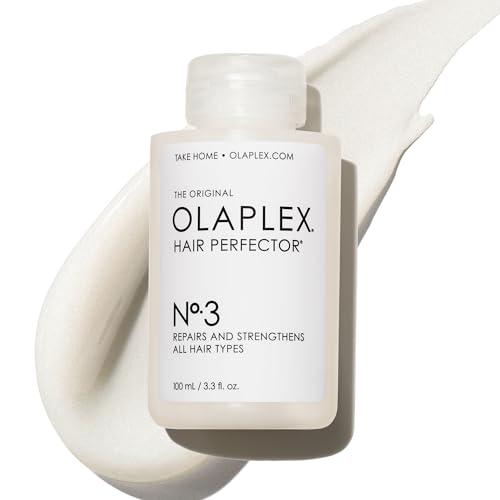
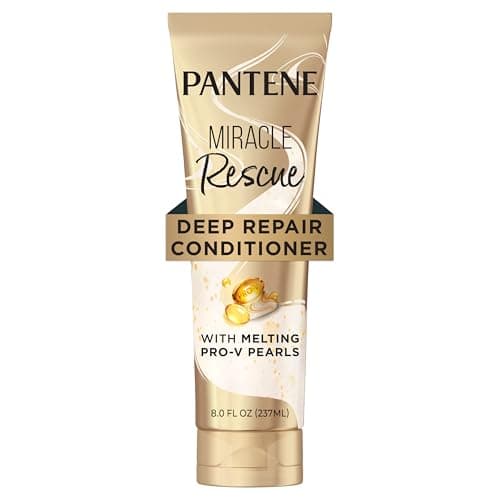
| Example on this site | Olaplex Nº.3 Hair Perfector | Pantene Miracle Rescue Deep Repair Conditioner |
|---|
We have not used these products ourselves. They are chosen from what is in the formula, what those ingredients are documented to do, and whether that matches the problem this page is about — and every product below links to the manufacturer's own page so you can check the formulation claims yourself. The full method is here.
Which one you need, decided by two questions
Question one: has your hair been chemically processed? Bleach, highlights, permanent color, a relaxer, a perm or a keratin straightening service. If the answer is no, you almost certainly do not need a treatment, and a conditioner plus a weekly mask will do everything available to you. This is the most common unnecessary purchase in the category.
Question two: does your hair snap, or is it just rough? Wet a shed strand and pull gently. If it stretches a little and springs back, the structure is intact and your problem is surface dryness — a conditioner question. If it snaps immediately with no give, that points to structural damage or a protein film, and the protein overload page explains how to tell those two apart before you spend anything.
Three readings that follow:
- Virgin hair, feels dry: conditioner every wash, mask weekly, no treatment. Start at the mask shortlist.
- Bleached or highlighted, breaking mid-length: treatment weekly, conditioner every wash, mask weekly. What bond repair does is the background, and Olaplex vs K18 compares the two best-known treatments.
- Colored but not lifted, feels fine: a color-safe conditioner and a sulfate-free wash matter more than either — color-safe conditioners.
Using both, which is what most damaged hair actually needs
They are not alternatives, and the order matters.
Pre-shampoo treatments go on dry or damp hair before you wash: apply, leave the stated time, then shampoo and condition as normal. The treatment does its work and the conditioner puts the surface back afterwards.
In-shower treatments go after shampoo and before conditioner. Rinse the treatment, then condition. Skipping the conditioner is the single most common mistake here, and it is why people say a treatment made their hair feel worse.
Leave-in treatments go on towel-dried hair and stay. Read the label rather than assuming, because these are the ones where an extra rinse undoes the point.
A realistic week on bleached hair: treatment once, conditioner three times, mask once in place of one of the conditioners. That is three products and five minutes of extra time, and the full sequence including where oils and leave-ins land is in the order-of-application guide.
Three mistakes worth avoiding
Using a treatment as a conditioner. More often than weekly, protein and bond products make hair stiff rather than strong. The symptoms and the two-week fix are in protein overload, and this is how most people get there.
Buying a treatment for undamaged hair. There is nothing for it to repair. The money is better spent on a better mask, and where price actually buys something goes through that trade-off properly.
Expecting either to fix split ends. Neither does — a divided strand only comes apart further. The split ends page sets out what is actually possible there, and the answer involves scissors.