Strand&Suds

Hair Types & Porosity · Our picks

The Best Black Hair Care Products

Tightly coiled hair is the driest and most fragile of all textures, so the routine is built around keeping water in and friction down. Five products, one per step: cleanse, detangle, moisturize, hold, and look after the scalp underneath.

By Janet H.Updated How we pick
#ad

We earn a commission if you buy through our links, at no extra cost to you. It never decides the ranking — the method is published · Affiliate disclosure

The short answer

Quick picks

#ProductBest forKey ingredientPrice
1
As I Am Coconut CoWash Cleansing Conditioner

A cleansing conditioner rather than a shampoo. It lifts dirt without a surfactant strong enough to strip the oils coily hair cannot spare, and for a lot of routines it replaces shampoo entirely.

Step 1 — cleanseCoconut oil as the conditioning base, with cleansing done by conditioning agents rather than sulfatesCheck price · Amazon
2
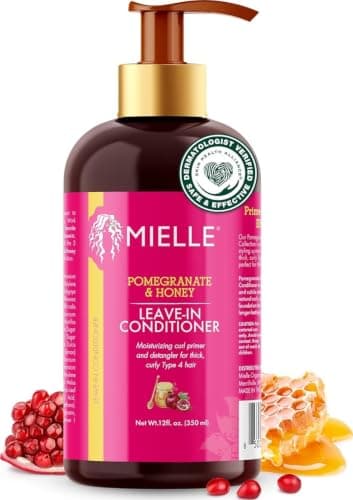
Mielle Organics Pomegranate & Honey Leave-In Conditioner

The step that decides how much hair you keep. Enough slip to get a wide-tooth comb through thick coils while they are soaking wet, which is the only time they should be combed.

Step 2 — detangleBabassu oil and citrus extracts, which Mielle states smooth the cuticle and help retain hydration$12.89Amazon
3
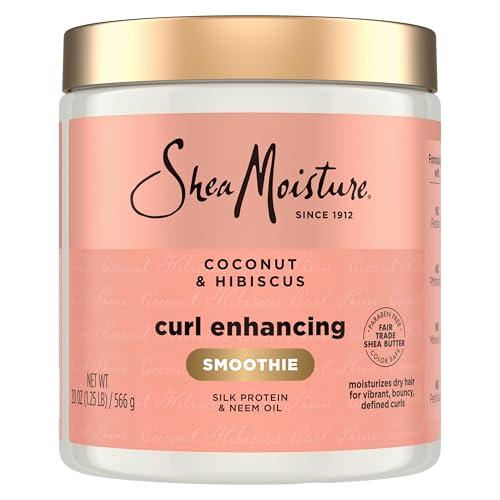
SheaMoisture Coconut & Hibiscus Curl Enhancing Smoothie

The weight that makes individual strands clump into a coil instead of flying off alone. Thick, dry coils want this and most other hair does not.

Step 3 — moisturizeCoconut oil and neem oil — emollients that coat the strand and hold moisture against evaporation$12.59Amazon
4
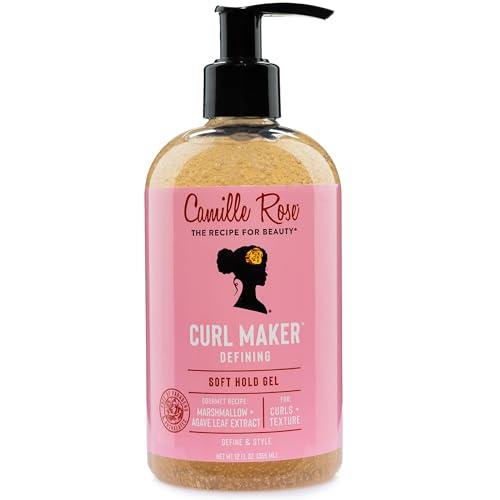
Camille Rose Curl Maker Defining Gel

A styling jelly with real hold and no hard cast. The most commonly missing step: without it the definition you built in steps 2 and 3 falls apart as the hair dries.

Step 4 — holdMarshmallow root and aloe juices, which Camille Rose states moisturize and add shine and bounceCheck price · Amazon
5
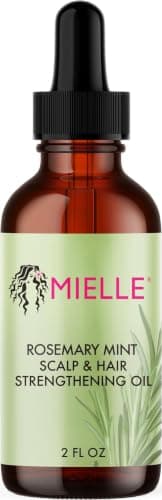
Mielle Organics Rosemary Mint Scalp & Hair Strengthening Oil

Massaged into the scalp, not the hair. Coily routines wash less often, which is right for the strand and means the scalp needs its own attention.

Step 5 — the scalpRosemary oil — the subject of one small 2015 randomized trial against 2% minoxidil, cited on our rosemary guide$8.84Amazon

#ad · Prices come live from the retailer, last checked November 11, 2026; where we have no verified live price we show none. These picks are chosen from formulation research, not from testing them ourselves. Tap a row for the full write-up.

What this page is really about

"Black hair products" is how a lot of people search, and it is worth being precise about what the useful version of that question is. Hair varies enormously within any group — plenty of Black readers have loose waves, and plenty of people who are not Black have tight coils. What a product responds to is the strand: how tightly it coils, how thick it is, and how readily it takes in water.

So this page is a routine for tightly coiled hair, roughly type 3c through 4c, which is the texture the search is usually about and the one the mainstream shelf serves worst. If you are not sure what you have, work through the routine-by-hair-type page first, or settle the porosity question with the porosity test — it takes a few minutes and it changes almost every product decision below.

Why coily hair behaves differently, and what follows from it

Three structural facts drive the entire routine.

Sebum cannot travel down a coil. Your scalp produces oil continuously and it has to run down the strand to reach the ends. On a straight hair that works; on a tightly coiled one the oil gets caught at every bend and never reaches the bottom. So the ends are dry by default, not because anything is wrong.

Every bend is a weak point. The cuticle lifts where the strand turns, which is why coils both lose water faster and break more easily than any other texture. Dermatologists are direct about this: the American Academy of Dermatology describes tightly curled hair as the most fragile hair type and recommends gentler handling, less frequent washing, and avoiding the tension and heat that cause breakage (AAD, curly hair tips from dermatologists).

Length is retention, not growth. Coily hair grows at the same rate as any other hair. If it looks like it is not growing, what is usually happening is that the ends are snapping off as fast as the roots add length. That reframes the whole shopping problem: you are not buying growth, you are buying less breakage — shedding versus loss is the page to read if the amount coming out in the comb is the worry.

A review of hair cosmetics in the dermatology literature sets out the mechanics the products below are working with: conditioning agents reduce the friction between strands and give the slip that makes detangling possible, while oils and emollients smooth the cuticle and slow water leaving the fiber (hair cosmetics overview, Int J Trichology). Less friction and more retained water is the whole job.

How we picked these five

1. One product per step, not five products doing the same step. The most common state of a coily-hair shelf is four creams and no hold product. This list is built as a routine so you can see which step you are missing rather than buying another jar of what you already own.

2. Slip is weighted above everything else. Mechanical breakage during detangling costs more length than any other single thing in a coily routine, so the detangling step gets the pick with the most slip rather than the nicest ingredient list.

3. Weight treated as the main variable, both ways. Thick, dense coils need real weight and will absorb a lightweight product with nothing to show for it. Fine coils — which exist, and are the most-neglected case in this category — are flattened by exactly the products everyone recommends. Every card below says who it is too heavy for.

4. Price spread on purpose. A coily routine uses more product per wash than any other texture, so cost per ounce is a real constraint rather than a nice-to-have. Two of the five are drugstore products and that is not a compromise.

5. No scores. There is no testing panel behind this site and a number would imply a measurement nobody took. Each pick carries an editorial role and a specific disqualifier instead.

We have not used these products ourselves. They are chosen from what is in the formula, what those ingredients are documented to do, and whether that matches the problem this page is about — and every product below links to the manufacturer's own page so you can check the formulation claims yourself. The full method is here.

The shampoo question, answered honestly

"Black hair shampoo" is one of the most-searched versions of this question, and the honest answer has three parts.

Most coily routines do better on a co-wash than a shampoo. A cleansing conditioner lifts dirt and sweat using conditioning agents rather than a strong surfactant, so it cleans without taking the little oil the ends have. That is why the cleanse step above is a co-wash and not a shampoo.

But you still need a real shampoo sometimes. Co-washes do not remove silicone, heavy butters or weeks of gel, and buildup eventually stops water getting into the hair at all — at which point the whole routine quietly stops working. Once a month, use an actual clarifying wash. The clarifying shortlist has the gentlest options, and what buildup actually is explains how it creeps up on you.

If you prefer shampoo, pick a sulfate-free one. The surfactant is the part that strips, and sulfate-free cleansers strip less — the curly cleanser shortlist runs from co-wash through sulfate-free shampoo, and the sulfate-free guide covers what you gain and give up.

The five steps, in order, with the part people skip

StepProduct typeHair stateWhat goes wrong if you skip it
1Co-wash or sulfate-free shampooWet, scalp-focusedBuildup blocks everything that follows
2Leave-in / detanglerSoaking wet, sectionedBreakage during detangling — the big one
3Curl cream or butterStill wetStrands separate instead of clumping
4Gel or styling jellyStill wet — the last wet stepDefinition collapses as it dries
5Scalp oilDry scalp, between washesAn itchy, tight scalp under the style

Two rules inside that sequence do more than the product choice. Work in sections, on soaking-wet hair. Four sections minimum, more if your hair is dense, and detangle each one with a wide-tooth comb from the ends upward rather than from the roots down — the direction is what the AAD recommends and it is the difference between unknotting hair and tearing through it (AAD, everyday hair care).

Steps 2 through 4 all go on wet hair. Water is the active ingredient in a coily routine; the products are there to put it in, hold it in and stop the shape collapsing while it leaves. A cream applied to half-dry hair cannot distribute, and that is the single most common reason a well-chosen product seems to do nothing — the full order of application covers the whole sequence including the wash.

The budget version of this routine is genuinely good. A basic five-product routine costs very little, and Cantu's leave-in cream does the step-2 and step-3 work together for coils on a tight budget — the trade is less slip than a dedicated detangler, which matters most if your hair is dense. The leave-ins for 4c hair compare the options at that step properly.

Protective styles, and the scalp underneath

Braids, twists, locs and wigs do exactly what the name says: they keep the ends tucked away where they cannot catch on clothing, pillowcases and your own hands. Friction is a real damage mechanism rather than a folk belief, so reducing it is one of the most effective things available.

The two things that turn a protective style into a damaging one are both about tension and time. Tension at the hairline is the mechanism behind traction alopecia, and the AAD is explicit that hairstyles pulling on the hair can cause it, and that it becomes permanent if the pulling goes on long enough (AAD, types of hair loss). A style should never hurt, and it should never leave small bumps along the hairline. Leaving it in too long means weeks of accumulated sebum, product and shed hair with no way to wash it properly.

Which is what the scalp oil in step five is for: it goes on the scalp, between washes, while the style is in. Massaged in with the fingertips, not the nails. It is not a growth treatment — if you are hoping for that, read what the rosemary oil evidence actually says before you spend anything, and the dry-scalp shortlist starts with the test that separates dryness from dandruff, because an oil helps one and feeds the other.

Two free habits belong here too, and both are about friction: sleep on satin or silk rather than cotton, and stop touching your hair while it dries. Neither costs anything and both do more than a sixth product would.

Adjusting the amounts to your own hair

The five steps are the same for everyone with this texture. How much of each you use is not, and it comes down to two properties that have nothing to do with curl pattern.

  • Low porosity. The cuticle lies relatively flat, so products sit on the surface instead of absorbing, and heavy butters are the standard mistake. Apply in thin layers on hair that is genuinely wet, and use warm water at the end of the wash to help things in. The styling jelly in step four suits this case particularly well — the low-porosity picks follow the same logic across other product types.
  • High porosity, which includes most coils that have been colored, relaxed or heat-styled. Water goes in fast and leaves faster, so the cream and the hold step earn their place more than they do for anyone else, and a sealing oil over the lengths at the end is worth adding — high-porosity picks here, and a weekly deep conditioner does more for this case than any styling product.
  • Dense, coarse hair. More sections, more product, and a longer wet working time. A lightweight product on dense coils disappears with nothing to show for it — this is the one case where the rich butters are right.
  • Fine coils. The most neglected case in the category: a tight pattern on thin strands, flattened by exactly the products everyone recommends. Halve the cream or skip it, keep the leave-in and the jelly, and put the oil on the ends only. The fine-curl shortlist is built for it.
  • An oily scalp with dry ends. Common on coily hair precisely because sebum cannot travel, and it changes the cleanse step rather than the styling steps — the two-zone routine handles it.

If you are not sure which of those describes you, the shed-strand float test in the porosity test settles it in about five minutes and is the highest-value five minutes in this whole category.

The five ways this routine fails

Detangling dry, or from the roots down. The most expensive mistake in the category, measured in lost length. Soaking wet, sectioned, wide-tooth comb, ends first.

Buying a sixth cream instead of the step you are missing. Diagnose by which stage looks wrong: soft and defined wet but fuzzy dry means you need hold; crunchy and defined but rough means you need moisture.

Never clarifying. A co-wash-only routine builds up, and buildup is the most common reason a routine that worked for months stops working. Once a month is enough.

Protein and moisture confused for each other. Coily hair that feels mushy and stretchy wants protein; coily hair that snaps dry wants moisture. Loading the wrong one makes it worse, and protein overload is a real and very uncomfortable state.

Treating relaxed or color-treated coils like virgin coils. Both are chemically altered hair with different needs — relaxed hair has had its bonds permanently rearranged, and bleached hair is structurally different hair. Bond repair treatments is the right category there, and color-safe shampoos matter more than anything on this page if you color.
In detail

The picks, in full

1Step 1 — cleanse

As I Am Coconut CoWash Cleansing Conditioner

A cleansing conditioner rather than a shampoo. It lifts dirt without a surfactant strong enough to strip the oils coily hair cannot spare, and for a lot of routines it replaces shampoo entirely.

Who it suits: Curly and coily hair that dries out when washed with a normal shampoo

What is doing the work

  • Coconut oil as the conditioning base, with cleansing done by conditioning agents rather than sulfates
  • Sulfate-free and paraben-free, per As I Am

What works

  • Cleans without the squeaky, stripped feeling
  • Enough slip to detangle in the shower
  • Large bottle sizes, which coily routines get through

What to note

  • Does not remove silicone or heavy styling buildup — you still need a clarifying wash periodically
  • Too rich for fine or oily-rooted hair

Skip it if your roots go greasy by day two — co-washing will make that worse, not better.

As I AmNo product photograph available for the As I Am Coconut CoWash Cleansing Conditioner
Check price on Amazon

#ad · Price shown on Amazon · Affiliate disclosure for the link to Coconut CoWash Cleansing Conditioner

2Step 2 — detangle

Mielle Organics Pomegranate & Honey Leave-In Conditioner

The step that decides how much hair you keep. Enough slip to get a wide-tooth comb through thick coils while they are soaking wet, which is the only time they should be combed.

Who it suits: Thick, curly and coily hair that needs detangling before styling

What is doing the work

  • Babassu oil and citrus extracts, which Mielle states smooth the cuticle and help retain hydration
  • Honey, a humectant that draws water into the strand

What works

  • Enough slip to detangle thick coils without breakage
  • Light enough to layer a cream or gel over it
  • Designed for type 4 hair rather than adapted to it

What to note

  • Humectant-heavy, which can backfire in very high humidity
  • Not enough on its own to hold a style

Skip it if you want a single product that also holds the curl — this is a primer and needs a cream or gel over it.

Mielle Organics Pomegranate & Honey Leave-In Conditioner
$12.89View on Amazon

#ad · Price as of November 11, 2026 · Affiliate disclosure for the link to Pomegranate & Honey Leave-In Conditioner

3Step 3 — moisturize

SheaMoisture Coconut & Hibiscus Curl Enhancing Smoothie

The weight that makes individual strands clump into a coil instead of flying off alone. Thick, dry coils want this and most other hair does not.

Who it suits: Thick, dry curls and coils that need weight as well as moisture

What is doing the work

  • Coconut oil and neem oil — emollients that coat the strand and hold moisture against evaporation
  • Silk protein, which SheaMoisture states conditions and smooths unruly ends

What works

  • Enough weight to define thick curls without a separate gel
  • Available in every drugstore, so restocking is easy
  • Cheap enough to work out whether creams suit you at all

What to note

  • Too heavy for fine or wavy hair — it will pull waves flat
  • Rich formula can build up without regular clarifying

Skip it if your hair is fine or loosely wavy — this will flatten the pattern you are trying to encourage. Use a light mousse or gel instead.

SheaMoisture Coconut & Hibiscus Curl Enhancing Smoothie
$12.59View on Amazon

#ad · Price as of November 11, 2026 · Affiliate disclosure for the link to Coconut & Hibiscus Curl Enhancing Smoothie

4Step 4 — hold

Camille Rose Curl Maker Defining Gel

A styling jelly with real hold and no hard cast. The most commonly missing step: without it the definition you built in steps 2 and 3 falls apart as the hair dries.

Who it suits: Low-porosity curls that need hold without a hard cast

What is doing the work

  • Marshmallow root and aloe juices, which Camille Rose states moisturize and add shine and bounce
  • A jelly base that gives hold without the film-forming stiffness of a firm-hold gel

What works

  • Hold without the hard cast, so no scrunching out required
  • Works well layered over a leave-in
  • Particularly suited to low-porosity hair, which resists heavier products

What to note

  • Not enough hold for a wash-and-go in real humidity
  • Thick texture takes practice to distribute evenly

Skip it if you need a style to survive a humid day outdoors — this is a soft-hold product and a firm gel will hold better.

Camille Rose Curl Maker Defining Gel
Check price on Amazon

#ad · Price shown on Amazon · Affiliate disclosure for the link to Curl Maker Defining Gel

5Step 5 — the scalp

Mielle Organics Rosemary Mint Scalp & Hair Strengthening Oil

Massaged into the scalp, not the hair. Coily routines wash less often, which is right for the strand and means the scalp needs its own attention.

Who it suits: Dry scalps and dry ends, and anyone who wants to try the rosemary idea cheaply

What is doing the work

  • Rosemary oil — the subject of one small 2015 randomized trial against 2% minoxidil, cited on our rosemary guide
  • Biotin, which Mielle states helps nourish the scalp and condition dry hair

What works

  • Inexpensive compared with a peptide serum
  • Genuinely useful on dry scalp and split ends regardless of the growth question
  • Safe for chemically treated hair and protective styles, per the manufacturer

What to note

  • The growth evidence is one small trial that gets cited far beyond what it supports
  • Oily on fine hair if you use too much or too near the lengths

Skip it if you have an oily scalp already — adding oil to it will not help, whatever the marketing suggests.

Mielle Organics Rosemary Mint Scalp & Hair Strengthening Oil
$8.84View on Amazon

#ad · Price as of November 11, 2026 · Affiliate disclosure for the link to Rosemary Mint Scalp & Hair Strengthening Oil

How we picked

Products we have personally tested: none

Most hair care roundups are written in a "we tested these" voice. We have not, and saying so is the point. These picks are chosen the way an informed shopper would choose them: read what is actually in the formula, check what those ingredients are documented to do, match that against the specific problem the page is about, and confirm the product is still being sold.

Each pick gets a role — the drugstore option, the one for high porosity, the gentlest of the set — rather than a score out of ten, because a score would imply a measurement nobody took. Nobody pays for inclusion or placement, and when the cheap product is the right answer we say that too. The full method is on one page.

Questions

Frequently asked

What are the best hair products for Black hair?
A routine rather than a product: As I Am Coconut CoWash to cleanse, Mielle Pomegranate & Honey leave-in to detangle, SheaMoisture Curl Smoothie for moisture, Camille Rose Curl Maker for hold, and Mielle Rosemary Mint oil for the scalp. If you own four of the five, the missing one is what is costing you.
Should I use shampoo on coily hair?
A co-wash most of the time and a real clarifying shampoo roughly once a month. The co-wash cleans without stripping the little oil your ends have; the monthly clarifier removes the buildup a co-wash leaves behind, which otherwise stops water getting into the hair at all.
Why does my coily hair not grow?
It almost certainly is growing. Coily hair grows at the same rate as any other texture — what differs is retention, because every bend in the strand is a weak point and the ends snap off as fast as the roots add length. Less breakage, not more growth product, is what adds visible length.
What order do these products go on in?
Cleanse, then leave-in, then cream, then gel — the last three on soaking-wet hair, in sections. The scalp oil is separate and goes on a dry scalp between washes. Water is the active ingredient; everything else is there to get it in and keep it there.
How often should coily hair be washed?
Usually once a week to once every two or three weeks. The AAD notes tightly curled hair is the most fragile texture and needs gentler, less frequent handling. Washing more often than the hair needs costs you length through handling, not through the water.
Are protective styles good for your hair?
Yes, when they are not tight and not left in too long. They keep the fragile ends tucked away from friction. Tension at the hairline is the mechanism behind traction alopecia, which the AAD notes can become permanent — a style should never hurt and should never leave bumps along the hairline.

Next

Receipts

Sources

  1. 1.American Academy of Dermatology — 6 curly hair tips from dermatologists
  2. 2.American Academy of Dermatology — Everyday hair care
  3. 3.American Academy of Dermatology — Types of hair loss
  4. 4.Gavazzoni Dias MF — Hair cosmetics: an overview (Int J Trichology, 2015, PMC)
  5. 5.True porosity measurement of hair: a new way to study hair damage mechanisms (PubMed)

Claims about what an ingredient does are cited to dermatology bodies or published research. Claims about what a product contains are cited to the manufacturer's own page and labeled as the manufacturer's claim. Where the evidence is thin, we say so on the page rather than rounding it up. Read the full method.