Before any of this: the American Academy of Dermatology is clear that effective treatment for hair loss starts with finding the cause, and that getting an accurate diagnosis means seeing a board-certified dermatologist (AAD, hair loss diagnosis and treatment). Thyroid disease, low iron, hormonal change and medication all cause shedding, and no cosmetic product on this page addresses any of them.
The thinning-hair routine has five rungs, and they are not equal
The thinning aisle sells serums, and serums are only one rung of five. Sorted by what each rung can honestly do:
- The wash. Cannot add hair. Can clean a scalp properly without stripping the hair you have, which is not nothing — and it is the step you repeat most.
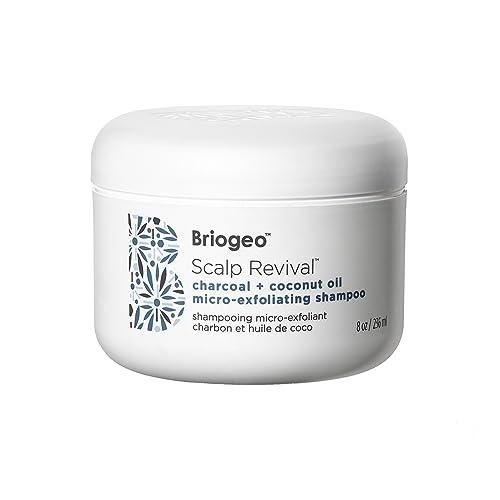
- The scalp reset. Buildup at the root flattens hair, and flat hair reads as thinner hair. Exfoliating weekly is a cosmetic win and a cheap one.
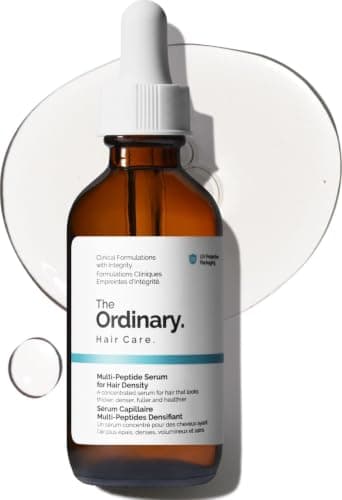
- The density serum. The rung the category is built on. The honest claim here is the appearance of thickness and fullness over months of daily use, which is how the manufacturers themselves word it.
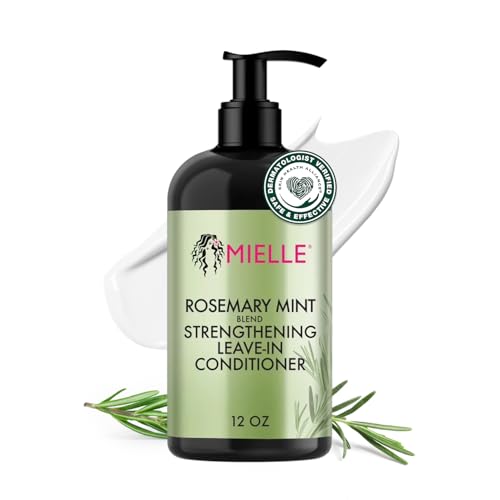
- Breakage control. The most underrated rung by a wide margin. Most people lose length to breakage rather than to slow growth, and a leave-in is the cheapest product in this whole routine.
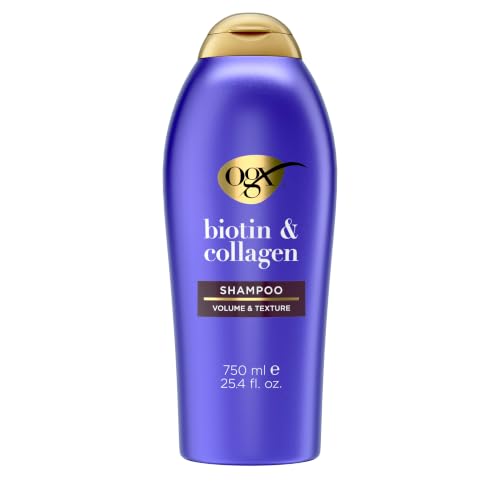
- Cosmetic volume. A coating effect that makes each strand occupy more space. Real, visible from the first wash, and gone when you stop.
Four of those five are cosmetic or protective. One is an appearance claim over months. None is a treatment for hair loss, and no cosmetic product is allowed to claim otherwise. Whether growth serums work goes through the evidence, and why hair thins is the page to read before you buy anything.
How we picked these five
1. One per rung. Buying three serums is how people spend a lot and change nothing.
2. Claims read as written. "Thicker-looking" is a coating claim. "The appearance of density" is an appearance claim. "Strengthening" is a conditioning claim. We have kept the manufacturers' wording and not upgraded any of it.
3. Breakage given a rung of its own. It is the part of the problem a product can actually act on quickly.
4. A real budget pick. The cheapest item here is single digits and gives the fastest visible result of anything on the page — because it is cosmetic.
5. No scores, no claimed testing, and nothing framed as medical.
We have not used these products ourselves. They are chosen from what is in the formula, what those ingredients are documented to do, and whether that matches the problem this page is about — and every product below links to the manufacturer's own page so you can check the formulation claims yourself. The full method is here.
The five, by rung and claim
| Rung | Pick | What it can honestly claim | How long before you judge it |
|---|
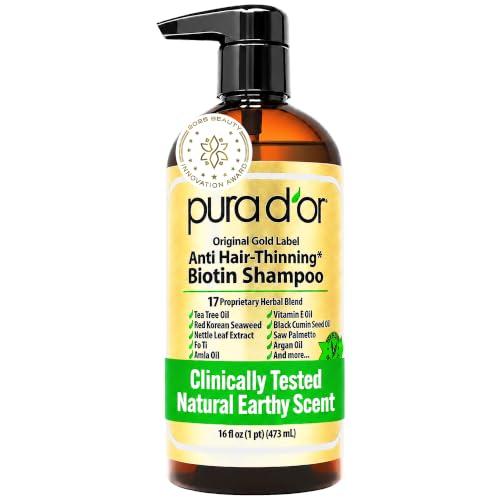
| Wash | Pura d'or Original Gold Label | Cleans without stripping; no added hair | A few washes |
|---|
| Density serum | The Ordinary Multi-Peptide Serum | Appearance of thickness and fullness, per the brand | Months of consistent use |
|---|
| Scalp reset | Briogeo Scalp Revival Scrub | Removes buildup; roots lift rather than flatten | One wash |
|---|
| Breakage control | Mielle Rosemary Mint Leave-In | Less breakage, so more retained length | Weeks, judged on the comb |
|---|
| Cosmetic volume | OGX Thick & Full Biotin & Collagen | Thicker-looking hair by coating the strand | One wash |
|---|
Read the third column and the category sorts itself honestly. Three of these produce a result you can see within a wash or two, because they are cosmetic. The one that is not cosmetic is also the one that takes months, and that asymmetry is the whole truth about this aisle.
Which rungs to buy first
If your hair has always been fine. This is a cosmetic problem with a cosmetic answer. The volumising wash plus the leave-in, and skip the serum entirely. Thickening shampoos for fine hair ranks that step properly.
If the part is widening. The serum daily, given months, plus the anti-thinning wash. Photograph the same part in the same light monthly — memory is useless over that timescale, and the growth routine page sets out the cadence.
If hair is also breaking. Start with the leave-in. It is the cheapest product on this page and it addresses the only part of the problem that improves in weeks rather than months. Conditioners for thinning hair covers the rinse-out half.
If your scalp feels coated, itchy or waxy. The scrub first, before anything else — a serum applied over buildup is sitting on buildup. Scalp treatments by symptom is the page if the scalp is the main complaint.
If shedding started suddenly, or hair is coming out in patches. Buy nothing yet. Read the next section.
The thing worth more than all five
Spending nothing beats every product on this page in one common situation: thinning with a medical cause.
Thyroid disease, low iron, hormonal change, recent illness and several ordinary medications all cause shedding, and no cosmetic product addresses any of them. The AAD's position is that getting the cause identified is the step that decides whether treatment works at all (AAD, hair loss causes). A blood panel and a dermatologist appointment cost less than a year of serum.
Two patterns in particular should send you to a doctor before a shopping cart: shedding that started suddenly, and loss in patches or at a receding front rather than diffusely across the whole head. Shedding against loss explains how to tell them apart and is the most useful page in this hub.
What not to buy
Anything promising regrowth in weeks. Hair grows roughly half an inch a month at best, so a visible change in density cannot appear on that timescale whatever is in the bottle. A product making that promise is telling you how much to trust the rest of its label.
Ingestible gummies and supplements. Deliberately out of scope here: they are ingestibles rather than hair care, the evidence in people who are not deficient is thin, and some carry real risk at high doses. Whether biotin helps is the honest version of that question.
A second serum because the first has not worked yet. One per rung, for the months the claim requires. Stacking products in the same rung is the most common way to spend money in this category without changing anything.