Match the treatment to the symptom, not to the marketing
"Scalp treatment" covers four different products aimed at four different problems, and buying the wrong one is why most people conclude the category does nothing. Work out which line below describes you before you buy anything.
- Itchy, with small dry white flakes, hair not greasy. A dry, irritated scalp. A leave-on soothing treatment is the right category.
- Tight and dry, no flaking, hair often fine. Scalp dehydration rather than irritation. A watery hydrating leave-in, not an oil.
- Greasy yellowish flakes, itch that keeps coming back. That pattern points at dandruff, which needs a named active rather than a soothing product. The AAD is explicit that dandruff is treated with specific active ingredients in a wash (AAD, how to treat dandruff), and the dandruff shampoo roundup is the correct page.
- Coated, waxy, product-heavy, hair limp at the root. Buildup. An exfoliating step rather than a treatment — scalp buildup covers what causes it.
Those four are not variations of one problem. The dry-scalp picks will do nothing for dandruff; the dandruff wash will make a dry scalp drier.
How we picked these five
1. One per symptom. Two leave-on treatments, one exfoliant, one active-ingredient wash and one oil. Five soothing serums would be useless to most readers.
2. Format matched to hair type. An oil on fine hair with an oily scalp is the wrong answer whatever it does for the scalp, so the list includes a watery option.
3. Honest about where products stop. Seborrhoeic dermatitis, psoriasis and genuine hair loss are medical matters, and the section below says so plainly.
4. A real budget pick. The cheapest option costs single digits and is useful in its own right.
5. No scores, no claimed testing. A role and a disqualifier per pick.
We have not used these products ourselves. They are chosen from what is in the formula, what those ingredients are documented to do, and whether that matches the problem this page is about — and every product below links to the manufacturer's own page so you can check the formulation claims yourself. The full method is here.
The five, by symptom
| Pick | Symptom it addresses | Format | How often |
|---|
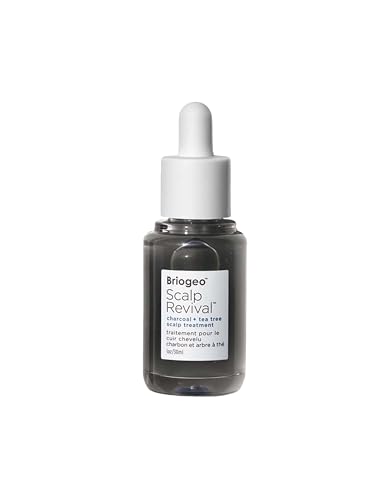
| Briogeo Scalp Revival Charcoal + Tea Tree | Itchy, dry flaking | Leave-on drops | Two or three times a week |
|---|
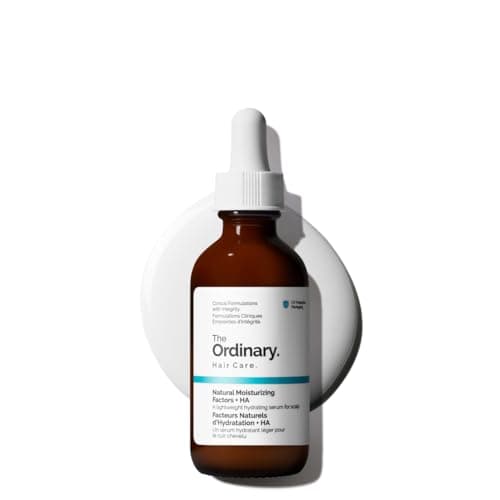
| The Ordinary NMF + HA for Scalp | Tight, dehydrated scalp | Watery leave-in | Daily if needed |
|---|
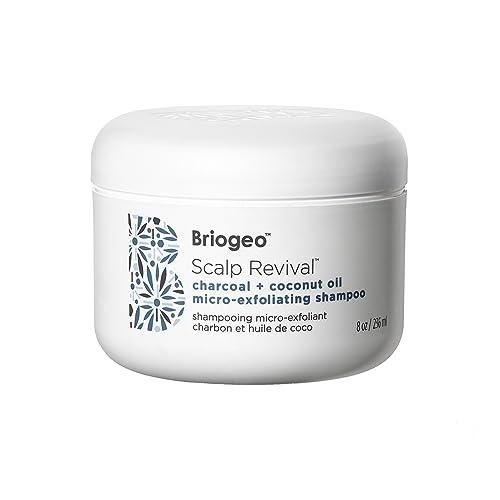
| Briogeo Scalp Revival Scrub | Buildup, waxy feel | Exfoliating wash | Weekly at most |
|---|
| Head & Shoulders Clinical Oil Control | Oily, flaking scalp | Shampoo with a named active | As directed on the bottle |
|---|
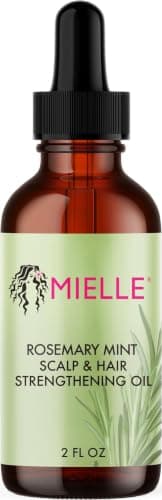
| Mielle Rosemary Mint Scalp & Hair Oil | Dry scalp and dry ends | Oil | Pre-wash or sparingly |
|---|
How to apply a scalp treatment
- On the scalp, in part lines. Product massaged through the hair is mostly on the hair. Section, apply along the exposed scalp, then massage with fingertips rather than nails.
- Clean scalp, not day-three scalp. A treatment over sebum and product is sitting on sebum and product.
- Give it three or four weeks. Scalp comfort usually improves within days to a couple of weeks; flaking takes longer. Nothing here works in one application.
- Do not stack a scrub and an active wash in the same shower. You will irritate the scalp you are trying to calm. Alternate them.
- One treatment at a time. Two at once makes it impossible to tell which is helping, and the usual result is abandoning both.
When this is not a product problem
Some scalp conditions need a diagnosis rather than a purchase, and the honest version of a page like this says where the line is.
See a board-certified dermatologist if the itch is severe or keeps you awake, if there are raised red or silvery patches, if the scalp is weeping or crusted, if flaking does not respond to a few weeks of an appropriate active, or if hair is coming out in patches alongside the scalp symptoms. Those patterns point at conditions like seborrhoeic dermatitis or psoriasis, and the AAD's guidance is that effective treatment starts with identifying the cause (AAD, diagnosis and treatment).
Nothing on this page treats any of those conditions, and no cosmetic product is allowed to claim it does.
What not to buy
A scalp oil for an oily scalp. It comes up constantly because oils are the most marketed scalp product there is. If your roots are greasy by day two, adding oil will not help — why hair gets greasy is the page for that.
A scrub more than once a week. Over-exfoliating a scalp produces the itch and flaking you were trying to fix — scrub against clarifying shampoo explains when each one is the right tool.
A growth serum as a scalp treatment. Different product, different claim. A serum for density is not formulated to calm irritation, and that category is its own page.
Two of the picks above come from the same scalp range, so it is worth knowing what else covers the job: Briogeo alternatives matches the scalp treatment and the exfoliating wash to lower-priced substitutes, and says where the substitution stops working.
How we picked
Products we have personally tested: none
Most hair care roundups are written in a "we tested these" voice. We have not, and saying so is the point. These picks are chosen the way an informed shopper would choose them: read what is actually in the formula, check what those ingredients are documented to do, match that against the specific problem the page is about, and confirm the product is still being sold.
Each pick gets a role — the drugstore option, the one for high porosity, the gentlest of the set — rather than a score out of ten, because a score would imply a measurement nobody took. Nobody pays for inclusion or placement, and when the cheap product is the right answer we say that too. The full method is on one page.