What Briogeo is
Briogeo is a mid-to-premium US hair care brand sold through Sephora, Ulta and Amazon, positioned around clean formulation and ingredient transparency. The brand states its products are formulated without sulfates, silicones, parabens, phthalates, DEA and artificial dyes, and it is unusually specific about actives — naming percentages where most of the category names a botanical and leaves it there.
That specificity is the most useful thing about the brand and the reason it earns a review here rather than a dismissal. A scalp shampoo listing 3% salicylic acid is making a checkable claim. A scalp shampoo listing "soothing botanicals" is not.
The second thing worth knowing is that the range is not evenly good. It is a scalp brand that also happens to make one of the better silicone-free masks on the market, with a surrounding collection of styling and length products that are fine without being the reason anybody buys in.
The ranges, and which ones hold up
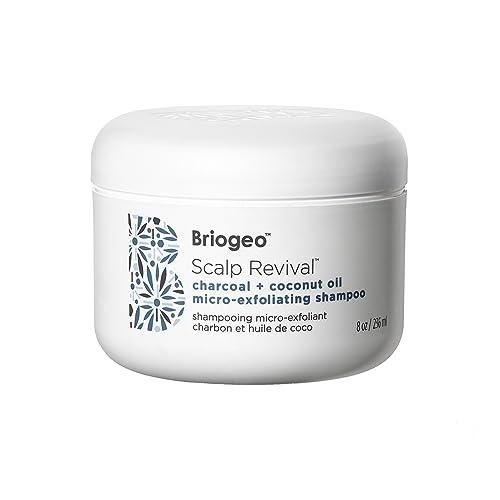
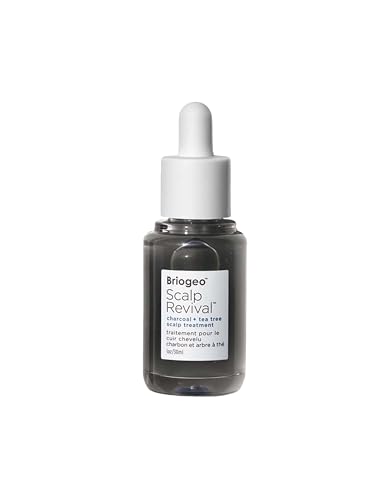
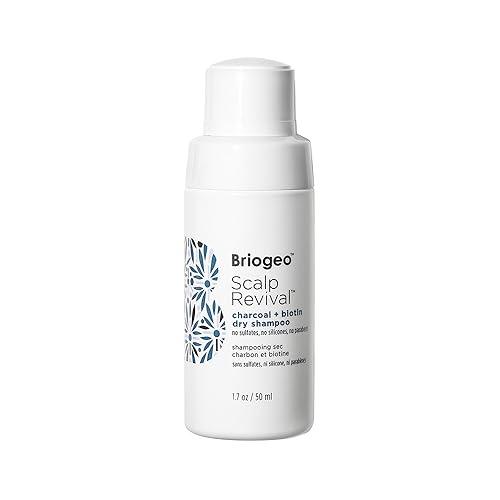
Scalp Revival — the strongest part of the range. This is a genuinely coherent set: a charcoal micro-exfoliating shampoo, a leave-on tea tree scalp treatment, a dandruff relief shampoo with salicylic acid, and a charcoal dry shampoo. They address different scalp complaints with different mechanisms rather than selling the same product four times, which is rarer than it should be. The site's scalp shortlists lean on this line heavily: best scalp scrub and best shampoo for dry scalp.
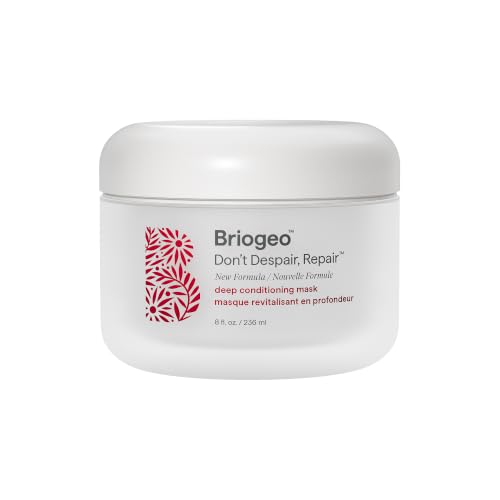
Don't Despair, Repair! — the standout single product. A rich weekly mask built on rosehip and argan oils and B-vitamins, with no silicones. On genuinely dry lengths it delivers, and the absence of silicones means it does not build a film over weeks of use. Its limitation is the flip side of the same thing: it is rich enough to weigh down fine hair, and it is moisture rather than bond repair, so it will not fix bleach damage.
Curl Charisma and Farewell Frizz — competent, not distinctive. These are reasonable products in two crowded categories where cheaper options perform comparably. Our curl and frizz shortlists go elsewhere for the top picks — best curly hair products and best products for frizzy hair in humidity explain what we rank on.
Blossom & Bloom and the density line. Scalp and thinning products built around ginger and biotin. The scalp side is consistent with the rest of Scalp Revival; the density claims are cosmetic, and we would not buy hair care for growth reasons — does biotin help hair growth is why.
Who it suits
- Anyone whose main complaint is their scalp. This is the clearest fit on the whole page. If your scalp is itchy, flaking, tight or feels coated between washes, Scalp Revival is a well-built range with named actives rather than vague claims.
- Dry, thick or coarse lengths. The mask is excellent on hair that can carry weight.
- Anyone avoiding silicones. The whole range is silicone-free per the manufacturer, which makes it unusually easy to build a consistent silicone-free routine from one brand — the silicone-free guide covers whether you should.
- People who read ingredient lists. If named percentages matter to you, this brand respects that in a way most of the category does not.
- Low-porosity hair, which struggles with film-forming products and benefits from a range that does not use them.
Who should buy something else
- Fine hair, for the mask. Don't Despair, Repair! is rich. On fine hair it reads as limp rather than conditioned, and a lighter humectant-led mask is the better call — the fine hair shortlist and curly products for fine hair both account for weight.
- Bleach damage. There is no bond chemistry here. If your hair snaps mid-length after bleaching, this is the wrong category — the Olaplex review is the relevant one.
- Tight budgets. The scalp products in particular have cheap, effective alternatives with the same named actives. Pyrithione zinc and salicylic acid are not expensive ingredients — best shampoo for dandruff, by named active sorts the field by what is in it rather than by price.
- Colored hair wanting the cheapest effective switch. The range is not built around color retention, and a drugstore sulfate-free shampoo covers that for a fraction of the cost — the drugstore color-safe shortlist.
- Anyone wanting a growth result. No cosmetic brand delivers that, and the AAD is clear that treatment starts with diagnosing the cause (AAD, hair loss resource center).
Is it worth the price?
Split the question, because the answer differs by product.
The mask: yes, on the right hair. Silicone-free masks that genuinely perform are not common, and this one does. If you have dry, thick lengths and you are avoiding silicones, the premium buys something specific.
The scalp scrub and the leave-on treatment: defensible. Physical exfoliation and leave-on scalp treatments are under-served categories at any price, and the named actives and the absence of heavy conditioning agents make these easier to slot into a routine than most alternatives.
The dandruff shampoo: hard to justify on price alone. It is a good product with a named active, but salicylic acid and pyrithione zinc shampoos exist for a third of the money and the active is the thing that works. The AAD's dandruff guidance is organized around actives for exactly this reason (AAD, how to treat dandruff).
The dry shampoo: no, on price. It is a thoughtful product — built around not making the scalp worse, which most dry shampoos ignore — but it is several times the cost of a drugstore can and the gap in performance is not several times. The field is in best dry shampoo.
Verdict
A good brand with a clear specialism and a reasonable price-to-substance ratio in the part of the range that matters. Buy it for your scalp, or buy the mask for dry lengths, and be selective about the rest.
What Briogeo does better than most of the category is tell you what is in the bottle and how much. That is worth something, and it is the reason we reach for this line repeatedly on the scalp pages rather than as a courtesy to a brand with good packaging.
What it does not do is bond repair, color protection or anything for density, and no part of the range pretends otherwise — which is itself a point in its favor.
We have not used these products ourselves. They are chosen from what is in the formula, what those ingredients are documented to do, and whether that matches the problem this page is about — and every product below links to the manufacturer's own page so you can check the formulation claims yourself. The full method is here.