Why the shampoo is the thing worth changing first
Hair color is deposited inside the cortex and held there by a cuticle that is no longer intact. Coloring raises and in places damages that cuticle, and the research on porosity and dyeing describes the direct relationship: the more porous the hair, the more readily dye molecules move both in and out (porosity and hair dyeing, PMC). Bleached hair is the extreme case, with cuticle cells separating and in severe cases lifting away entirely (bleaching microstructure study, PMC).
Every wash is therefore an opportunity for color to leave, and the thing doing the work is the surfactant. Strong anionic surfactants — sodium lauryl sulfate and sodium laureth sulfate — are efficient cleansers that also swell the cuticle and carry dye out with the oil and dirt. Swap them for milder surfactants and you lose less color per wash. That is the entire mechanism behind the color-safe category, and it costs about the same as any other shampoo at a drugstore.
Which is why this page exists alongside the general list. Our best shampoo for color-treated hair shortlist ranks the whole field including salon options. This one holds the price under about fifteen dollars and asks what you actually give up — which, it turns out, is less than the shelf layout implies.
What actually matters on a drugstore label
Three things, in this order.
1. The surfactant. Look at the second or third ingredient. If it is sodium lauryl or laureth sulfate, this is a strong cleanser whatever the front of the bottle says. If it is cocamidopropyl betaine, sodium cocoyl isethionate, coco-glucoside or a sulfosuccinate, it is mild. This single line tells you more than the words "color-safe" anywhere on the packaging — and sulfate-free vs color-safe explains why those two phrases are not synonyms and neither is regulated.
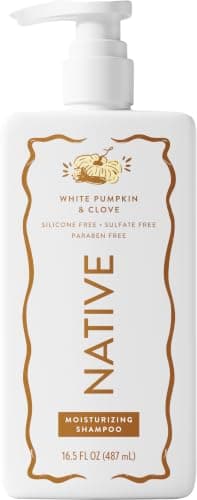
2. Whether it is doing a second job. Moisturizing, toning and clarifying are three different functions and no bottle does all of them. Colored hair is usually drier, so a moisturizing base is the right default; a purple shampoo is a toning product you alternate in; a clarifier is a monthly reset. Buying one bottle and expecting it to cover all three is the most common mistake in this category.
3. Fragrance load. This is the honest trade-off at drugstore prices. Cheap sulfate-free shampoos are frequently heavily fragranced, because fragrance is inexpensive and sells. It does not affect color retention at all, but it matters if your scalp is reactive — and if it is, the shorter ingredient list is worth the extra dollar.
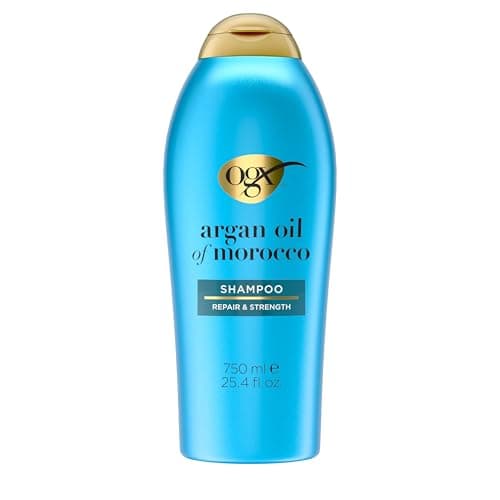
What does not matter: keratin, collagen, biotin, argan oil or any botanical listed below the fragrance line in a product you rinse out after ninety seconds. Those are present, and they are present in quantities that do nothing in a shampoo.
What salon money actually buys, stated fairly
There is a real difference and it is smaller than the price gap. A salon color-safe shampoo typically gives you a more sophisticated surfactant blend — better lather and a better feel at the same mildness — plus lower fragrance, better-chosen conditioning agents and, in a few cases, genuinely functional chemistry such as a bond-building active.
What it does not buy is dramatically better color retention. Mild surfactants are mild at every price. The jump from a sulfate shampoo to a drugstore sulfate-free one is large; the jump from drugstore sulfate-free to salon sulfate-free is a refinement.
Two situations where the upgrade is genuinely worth it. If your hair is coarse and color-treated, a richer salon formula does more, and the one case on this site where we say so plainly is in are expensive shampoos worth it. And if your hair is bleached rather than colored, the damage is structural and a bond shampoo earns its place — best shampoo for bleached hair covers that case.
Building a whole color routine at drugstore prices
The shampoo is one step. A complete, cheap routine for colored hair is four, and none of them needs a salon.
- Sulfate-free shampoo, every wash. The pick above. Scalp only, fingertips, let the runoff clean the lengths.
- A conditioner you leave on for two full minutes. Mid-lengths and ends. The dwell time is free and most people skip it — the shortlist is best conditioner for color-treated hair.
- A weekly mask or deep conditioner. The step that does most for how colored hair looks and feels. Drugstore masks are genuinely good value here — deep conditioners for colored hair.
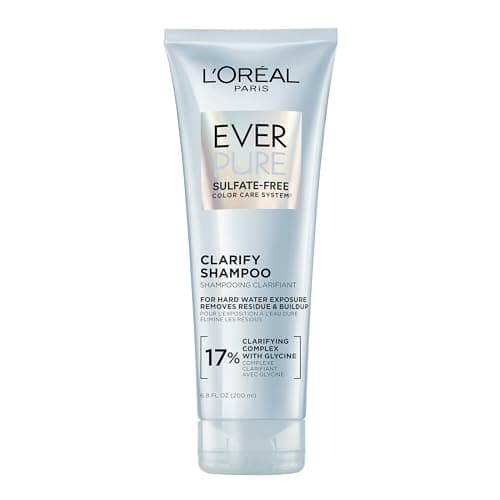
- A clarifying wash every three or four weeks. Counterintuitive on colored hair, and necessary. Sulfate-free shampoos clean less, so build-up accumulates and makes color read dull and brassy. Use a sulfate-free clarifier, never the week after a color appointment — will clarifying shampoo strip color answers the worry directly.
Two free habits do as much as any of it. Wash in cooler water, because hot water swells the cuticle and accelerates fade. And wash less often — every extra day between washes is a wash of color you keep. The AAD's position on frequency is that it should follow hair type rather than a rule (AAD, tips for healthy hair), and how often to wash your hair has the detail.
If you are blonde, you need two bottles
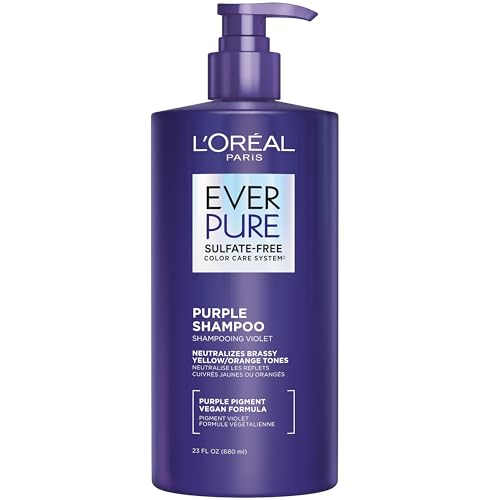
Blonde and lightened hair has a second problem on top of fade: warmth. As color washes out, the underlying yellow and orange pigment in the hair shows through, and no moisturizing shampoo addresses that. A purple shampoo deposits violet pigment, which sits opposite yellow on the color wheel and cancels it visually.
The mistake is using the purple one as your everyday shampoo. Toning shampoos are drying — pigment plus a cleanser is not a conditioning formula — and over-toning produces dull, faintly lilac hair. Alternate: the moisturizing shampoo most washes, the purple one once or twice a week depending on how fast you go brassy. How often to use purple shampoo has the frequency, best purple shampoo has the full field including salon pigments, and how to stop brassy hair covers the causes you can prevent rather than tone away.
If your hair is going orange rather than yellow — common on lifted brunettes — purple vs blue shampoo is the page you want, because purple is the wrong pigment for that problem.
We have not used these products ourselves. They are chosen from what is in the formula, what those ingredients are documented to do, and whether that matches the problem this page is about — and every product below links to the manufacturer's own page so you can check the formulation claims yourself. The full method is here.