What makes a hair care brand actually good
Not range size, not packaging, and not price. Three things, and they are all checkable before you buy.
A specialism. The best brands in this category are narrow. They were founded to solve one problem — bond damage, scalp health, textured hair, dandruff — and everything they make is downstream of that. A brand with forty products across every hair type has a catalog rather than a specialism, and on any specific problem it will be beaten by someone who only does that.
Named actives at stated concentrations. "3% salicylic acid" is a fact. "Infused with a nourishing botanical blend" is a sentence. Brands that tell you what is working and how much of it there is are brands you can hold to account, and that willingness correlates closely with the product being good.
Honesty about who it is not for. The rarest property. A brand that says its range suits every hair type has told you nothing, and a product formulated for everyone is tuned for the middle of the market.
One thing that is not a sign of quality: a complete matching range. Shampoo and conditioner from the same line is a merchandising convention, not a formulation requirement. The only time it genuinely helps is a system built around a single active where the steps were designed to run together.
Six brands, with a real verdict each
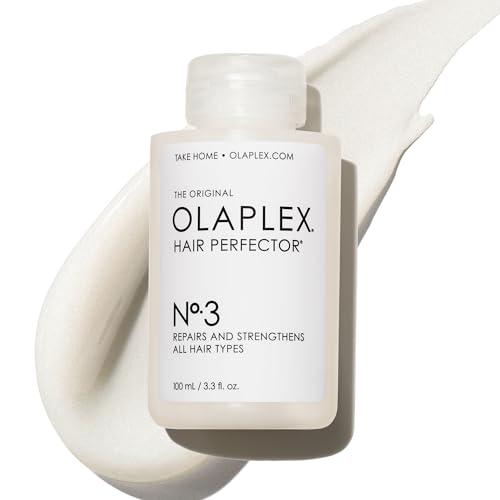
Olaplex — the single-problem brand, and the strongest case for one. Built entirely around a patented bond-building molecule that, by definition, no cheaper brand can contain. If your hair has been bleached, permed or relaxed, this is the one category where paying more buys chemistry rather than presentation. If your hair has never been chemically processed, there is nothing for it to repair and the money is better spent on a mask — what bond repair actually does and how it compares to K18 both go further than a brand verdict can.
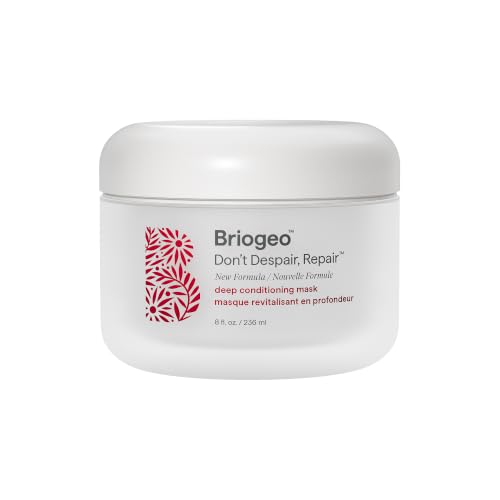
Briogeo — the best at telling you what is in the bottle. Consistently names its actives and states concentrations, which across this category is unusual enough to be the main reason to trust it. Strongest on the scalp: the dandruff, scrub and scalp treatment products are the ones worth the price. Weakest as an everyday range, because the price per wash is high for products you get through quickly. Our scalp pages lean on this brand more than any other — scalp scrubs and dandruff shampoos.
L'Oreal Paris — the reason the premium tier lost its best argument. The Elvive and EverPure ranges put sulfate-free, color-safe formulas at supermarket prices, and sulfate-free used to be the main reason to trade up. It still is not a targeted brand: nothing here beats a specialist on a specific problem. But as the place to spend the least on the products you use most, it is the most useful brand on this page — the drugstore shortlist is mostly this and Pantene.
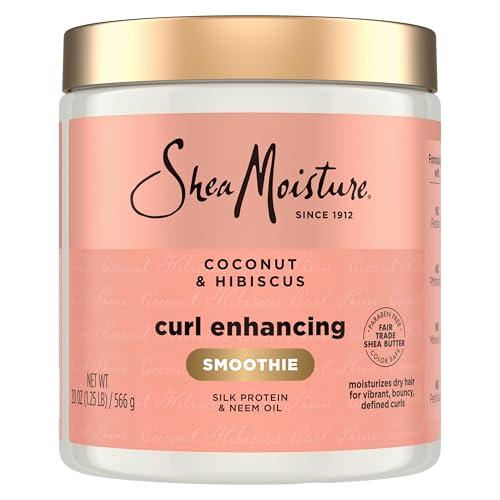
SheaMoisture — the best mass-market brand for textured hair. Formulated for thick, dry, curly and coily hair, widely stocked, and priced where people can actually buy it repeatedly. The caveat is the same thing that makes it good: it is rich, and richness flattens fine or wavy hair. If your waves went limp, the brand did not fail — it was built for someone else's hair, and the wavy page explains the mismatch.
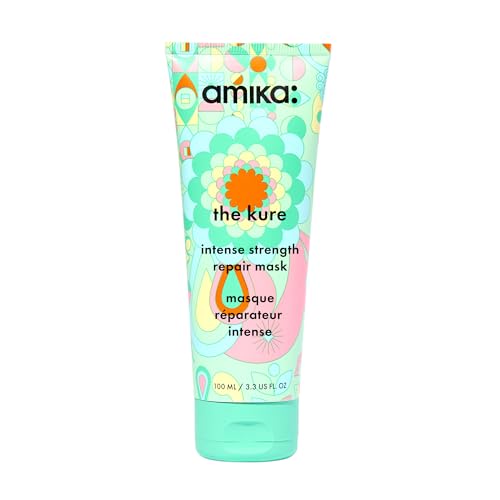
amika — the best at strength plus slip in one step. The most useful thing about this range on bleached hair is that its repair products do not leave the strand rough, which is the usual trade with protein and bond products. Color-safe across the range, and the hydration side genuinely works on hair that rejects heavy oil-based masks. Not the brand to buy if your problem is the scalp. Shampoos for bleached hair covers where it fits.
Head & Shoulders — the brand that embarrasses the premium tier. Medicated shampoo is the one hair care category where the cheapest product on the shelf is the clinically serious one, with a named antifungal active at a known strength. It will dry out your lengths, and the fix is conditioning them separately rather than a gentler product. If you have dandruff, this brand is the correct first purchase regardless of budget — and the American Academy of Dermatology is explicit that dandruff treatment means a medicated shampoo rather than more moisture (AAD, how to treat dandruff).
Several of these have their own full reviews now. Olaplex goes through the numbered range and which one actually carries the chemistry, Briogeo separates the part of that range worth paying for from the part that has cheaper equivalents, and Oribe is the test case for whether a luxury price buys anything at all — the answer differs sharply between its styling products and its shampoos.
We have not used these products ourselves. They are chosen from what is in the formula, what those ingredients are documented to do, and whether that matches the problem this page is about — and every product below links to the manufacturer's own page so you can check the formulation claims yourself. The full method is here.
Brands that are not on this list, and why
Brands we cannot verify. A number of heavily searched hair care brand names belong to companies whose existence, ownership or current product line we could not confirm from a primary source. We do not write about those, however much search volume the name carries. Our method page sets out the rule.
Direct-to-consumer and subscription brands. Several well-known ranges are sold only through their own site or a quiz-based subscription. They may be perfectly good. They are not purchasable through the retailer this site links to, so recommending them would be recommending something we cannot stand behind the price or availability of.
Salon-exclusive professional lines. Often excellent, frequently sold through unauthorized third parties online where authenticity and shelf age are unknowable.
Brands we do write about but did not rank here. Pantene, OGX, Batiste, Mielle Organics, Cantu, Curlsmith, Living Proof, Verb, Native, MONDAY, Neutrogena and others all appear in our shortlists where they are the right answer. Six is a verdict list, not a directory — and two of them have their own full reviews: MONDAY Haircare and Native.
Why brand loyalty is the wrong frame for hair care
This is the uncomfortable conclusion of a page about brands, and it is the thesis of this whole site: your hair has specific problems, and the best product for each of them is almost never made by the same company.
A realistic shelf for someone with bleached, dry, color-treated hair might be a drugstore sulfate-free shampoo, a salon-brand bond treatment, a mid-price mask and a professional toning shampoo. Four brands, four problems, each one chosen on its own merits. Buying all four from whichever brand you like best means being wrong three times.
The three places brand consistency genuinely helps:
- Systems built around one active, where the brand designed the steps to run in sequence.
- Sensitive scalps, where you have identified a range that does not react and have no reason to experiment.
- Fragrance, if you dislike the clash. A legitimate preference with no performance component.
Everywhere else, mixing is the correct behavior. The AAD's own everyday hair guidance is organized around matching products to hair type and handling habits rather than brand choice (AAD, everyday hair care), which is the same point from a clinical direction.
Choose by problem instead — where to start