What wavy hair is, and which kind you have
Wavy hair forms an S-shape rather than a spiral. The follicle is slightly oval, the strand bends, and the bend is loose enough that gravity and weight can pull it out — which is the entire reason waves behave differently from curls.
The useful distinctions inside the category:
- Loose waves (2a). A gentle S that is nearly straight at the root. Fine, easily flattened, and the type most often mistaken for straight hair that frizzes. Needs almost no moisture and all the hold.
- Defined waves (2b). A clear S from mid-length down, with frizz at the crown. The classic case: responds dramatically to a proper routine and dramatically badly to a heavy one.
- Deep waves (2c). Waves that start closer to the root with the occasional true spiral mixed in. Can carry a light cream and genuinely needs hold.
If you are not certain you are wavy rather than curly, that distinction is worth settling first — wavy versus curly is the diagnostic, and it changes almost every purchase on this page.
One more axis that matters more than the number: a lot of wavy hair is low-porosity, meaning the cuticle lies flat and products sit on the surface rather than absorbing. Combine low porosity with a heavy cream and you get the product film that most wavy complaints are actually about — the low-porosity shortlist is the companion read, and the porosity test takes five minutes.
Why the curly aisle fails wavy hair
Almost everything in the curl section is formulated for type 3 and type 4 hair: dense, coarse, high-porosity, genuinely thirsty, and heavy enough to need weight to stop it frizzing. Waves are none of those things.
Three specific mismatches follow.
Too much moisture. Wavy hair is over-conditioned far more often than under-conditioned. A saturated strand is a soft, floppy strand, and a floppy wave is a straight one. If your waves feel lovely and look like nothing, this is the diagnosis.
Too little hold. Counter-intuitive but reliable: the lighter the hair, the more it needs a film holding the shape while it dries, because there is no mass doing that job. A gel on wavy hair is not a styling flourish, it is the structural component.
Too much product at the root. Waves are at their weakest near the scalp, so anything applied there pulls the whole shape down. Everything on this page goes on mid-lengths and ends.
The one piece of standard curly advice that transfers intact is handling: the American Academy of Dermatology's curly hair guidance recommends cleansing less often than straight hair, detangling with conditioner in rather than dry, and avoiding heat — all of which applies to waves without modification (AAD, curly hair tips).
How we picked these four
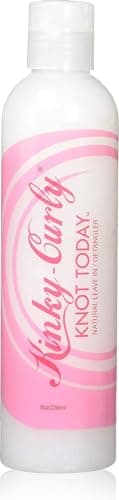
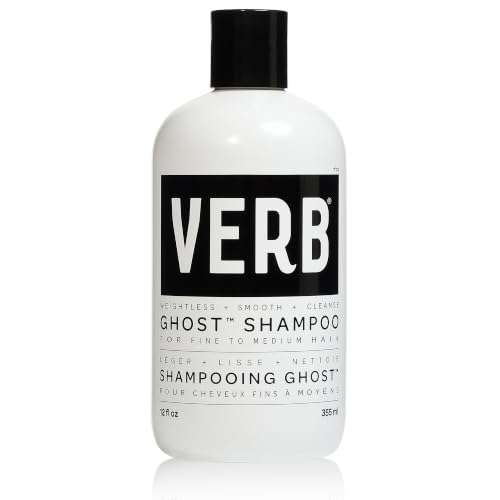
1. Weight before anything else. Every pick is either a cleanser, a thin leave-in or a film-former. There is no butter-led cream on this list, and that is the main difference between this page and the main curly shortlist.
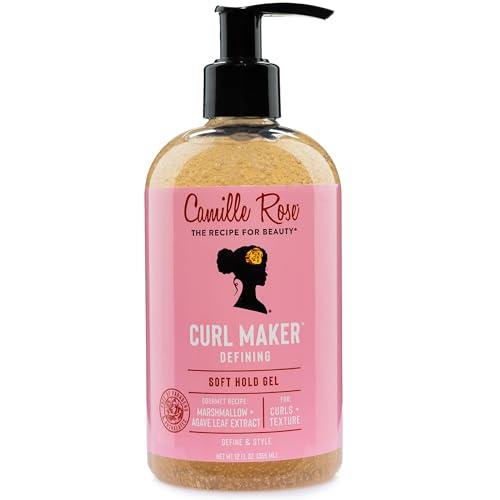
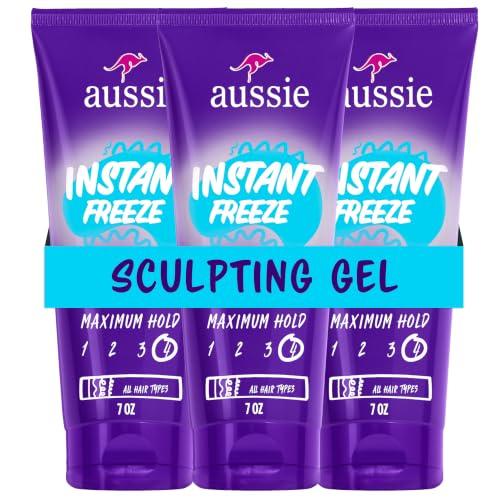
2. One product per step. Four products, four jobs: wash, leave-in, definition, hold. A wavy routine with five creams in it is the most common way to end up with straight greasy hair.
3. Hold is not where you economize. The gel and the jelly are both here on purpose. If you buy two things off this page, buy the wash and one of those two.
4. An honest gap. Mousse is the classic wavy-hair product — airy, light, good hold — and there is no mousse in our product registry, so there is none on this list rather than a cream pretending to fill the slot. If you already use one and it works, keep it; the jelly and the gel here do the same job differently.
What we did not use: scores, star ratings or review counts. Each pick carries its editorial role and a specific disqualifier instead.
We have not used these products ourselves. They are chosen from what is in the formula, what those ingredients are documented to do, and whether that matches the problem this page is about — and every product below links to the manufacturer's own page so you can check the formulation claims yourself. The full method is here.
A wavy routine, in order, with the amounts
- Wash the scalp two or three times a week. Fingertips, scalp only, and let the suds rinse past the lengths. Waves do not need daily washing and they do not cope with a week between washes either — the scalp oil flattens them.
- Conditioner on the ends only, and rinse it properly. Half what you think. If your waves are limp, cut this step back before you change anything else.
- Detangle in the shower with conditioner in, from the ends upward. Wide tooth comb or fingers.
- Leave-in on soaking hair, mid-lengths and ends. A small amount, emulsified in wet palms first so it spreads thin.
- Definition or hold on top, while the hair is still dripping. Jelly or gel, raked through once then scrunched upward. Water is the carrier; applying to damp hair gives you streaks.
- Plop or squeeze with a microfibre towel or cotton t-shirt. No rubbing. Terry towels are the fastest way to turn a wave into frizz.
- Air dry, or diffuse on low heat and low speed. Then do not touch it. Hands in drying hair is the other fastest way to frizz.
- Scrunch the cast out when it is bone dry. The crunch is the film working. Break it at the end and you keep the shape without the texture.
- Clarify monthly. Low-porosity wavy hair accumulates product fast, and buildup is the single most common cause of waves that suddenly stopped working — clarifying shortlist.
Three things to stop buying
Rich curl creams and butter-based stylers. The most common wavy mistake by a wide margin. If you want a cream, it needs to be humectant-led and used sparingly — the fine-hair cream page ranks them by weight for exactly this reason.
Heavy oils on the lengths. A finishing oil is for coarse hair and straight hair with frizz. On waves it collapses the pattern. A drop on the very ends is the most anyone with 2a or 2b hair should attempt.
Conditioning or smoothing shampoos. They are formulated to leave something behind, and waves need the scalp genuinely clean to have any lift at all. A smoothing range is the right purchase for straight frizzy hair — that shortlist is here — and the wrong one for you.
Is it frizz, or an untrained wave?
A large share of people who believe they have straight hair that frizzes have loose waves that have never been styled wet. The two look identical when hair is brushed dry, because brushing a dry wave breaks the clumps into exactly the halo that reads as frizz.
The test costs nothing. Wash, apply no product, and let it air dry without touching it or brushing it. If an S-shape appears anywhere, you are wavy and this page applies. If it dries straight and fluffy, you are straight with frizz, and why hair frizzes plus a smoothing serum is the better direction.
Either way, the single most useful change is to stop brushing it dry. Detangle wet, with conditioner in. On wavy hair that one habit does more than any product on this page — which is worth knowing before you spend anything, and is covered further in the beginner curly routine.