What high porosity actually is
Porosity describes how readily the hair fiber lets substances in and out. On high-porosity hair the cuticle scales are raised or damaged, so water, conditioner and dye all move in quickly — and leave just as quickly. Research on hair porosity describes it as a property that rises with chemical damage and governs the fiber's uptake of what you apply to it (true porosity measurement of hair, PubMed), and work on porosity in dyeing shows the same thing at different structural levels (porosity and hair dyeing, PMC).
Hair ends up here one of two ways. It is damaged — bleached, colored, relaxed, heat-worn — or it is naturally coarse and porous. The first group usually needs some strength as well as moisture; the second usually needs moisture alone. Knowing which you are is the whole decision on this page, and the porosity test is the ten-minute way to confirm it.
Protein or moisture? The question that decides your bottle
Deep conditioners split into two families, and high-porosity hair can need either.
Protein-leaning formulas put hydrolyzed proteins, amino acids or a bond active into the strand to make it feel stronger and less stretchy. The right choice if your hair stretches a long way when wet and then snaps, which is the signature of damage.
Moisture-leaning formulas use oils, butters and humectants to soften and lubricate. The right choice if your hair feels rough, dry and brittle but does not over-stretch.
Get this the wrong way round and you make the problem worse. Protein overload has a simple at-home test in it, and it is worth five minutes before you spend money — high-porosity hair is the type most often tipped into brittleness by well-intentioned protein stacking.
How we picked these four
1. Two protein-leaning, two not. Covering both answers to the question above rather than assuming one.
2. Rinse-out deep conditioners, not leave-ins. This page is about the weekly step. The daily steps are elsewhere.
3. Silicone-free where it matters. High-porosity hair often lives on a routine that avoids buildup, so the moisture picks here are silicone-free per their manufacturers.
4. One drugstore option, because volume matters. High-porosity hair needs more product more often, and an expensive mask used monthly loses to a cheap one used weekly.
We have not used these products ourselves. They are chosen from what is in the formula, what those ingredients are documented to do, and whether that matches the problem this page is about — and every product below links to the manufacturer's own page so you can check the formulation claims yourself. The full method is here.
The four, compared
| Pick | Protein or moisture | Silicone-free? | Choose it when |
|---|
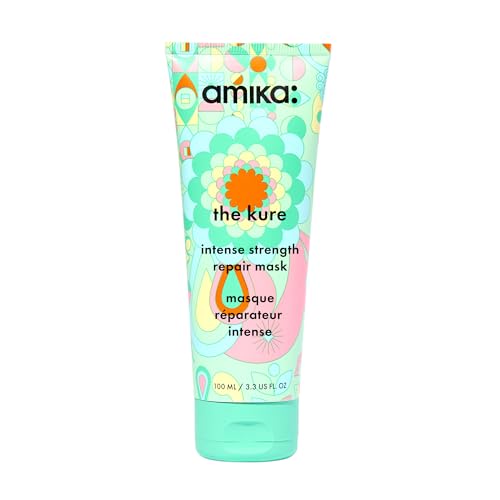
| amika The Kure Intense Strength Repair Mask | Both, protein-leaning | Not stated | Bleached hair that snaps and tangles |
|---|
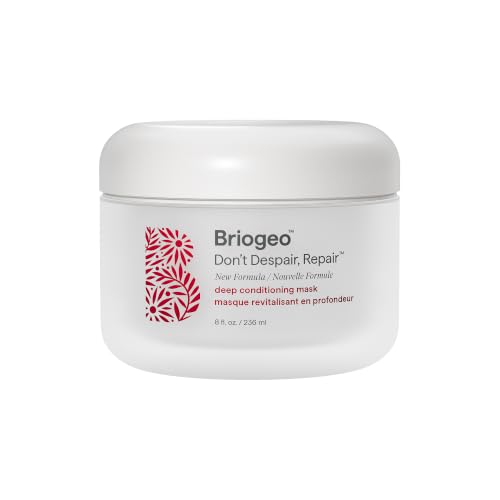
| Briogeo Don't Despair, Repair! | Moisture | Yes, per Briogeo | Dry and rough, but not over-stretchy |
|---|
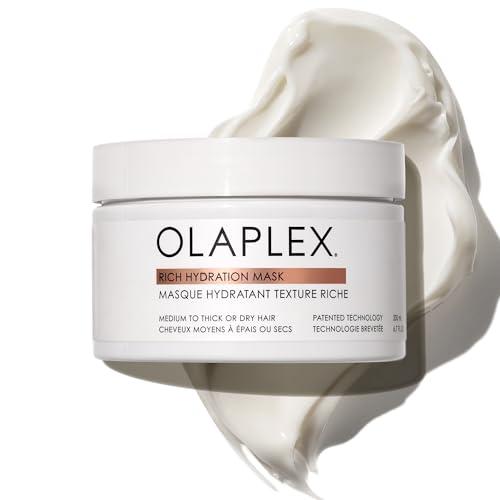
| Olaplex Rich Hydration Mask | Moisture plus bond chemistry, no protein | Yes, per Olaplex | You have already had protein treatments |
|---|
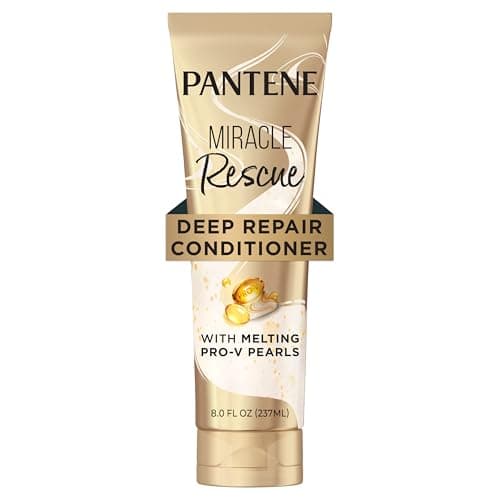
| Pantene Miracle Rescue | Moisture | No | You need a weekly step you can afford to keep doing |
|---|
If your hair is colored as well as high-porosity — which is the usual combination — the color-safe deep conditioner picks overlap with this list and are sorted on color retention instead.
How to deep condition high-porosity hair
- On damp, not dripping hair. Squeeze the excess water out with a towel first, or the product dilutes and runs off.
- Section it, and use more than you think. Porous hair absorbs a lot. Mid-lengths and ends, where the damage is.
- Add gentle heat. A shower cap, a warm towel, or twenty minutes with your own body heat. Heat raises uptake, which is the one case where high porosity works in your favor.
- Twenty to thirty minutes is the ceiling. Longer does not help, and overnight deep conditioning can leave porous hair mushy and over-elastic.
- Rinse cool. A cool final rinse helps the cuticle lie flatter, which on raised, porous cuticles is a free and visible improvement.
- Once a week, and alternate protein and moisture if you use both.
The full mask method goes through this in more detail, including what to do when a mask makes your hair feel worse.
Sealing, which is the half most people skip
High-porosity hair loses moisture as fast as it takes it up, so the deep conditioner is only half the routine. The other half is slowing that loss.
In order of impact: a leave-in on damp hair after every wash, an oil over the top on the bottom third, and a satin pillowcase or bonnet at night to cut friction. The leave-in and oil are sequential steps, not alternatives, and on this hair type both are worth doing.
One structural caveat worth stating: if bleach caused your porosity, no conditioner reverses it. Microscopy of over-bleached hair shows cuticle cells separating and lifting away from the cortex (effects of excessive bleaching, PMC). A deep conditioner makes that hair behave better week to week; bond repair addresses the structure, and a trim is the only thing that removes the worst of it. Everything else is maintenance — which, done weekly, is what keeps length on your head. The full high-porosity product list covers the shampoo and leave-in steps around this one.