What amika is known for
amika is a vegan, sea-buckthorn-forward range sold mainly through Sephora and Ulta, and three products carry its reputation in the damage and dryness aisle.
- The Kure Intense Strength Repair Mask. A rinse-out mask built around a bond-repair complex the brand states is clinically proven safe for color-treated hair, paired with conditioning agents so it detangles as well as strengthens. That pairing is the unusual part: most strength products leave hair rough and ask you to condition afterwards.
- Hydro Rush Intense Moisture Hair Mask. A humectant mask rather than an oil-and-butter one - hyaluronic acid and polyglutamic acid pull water into the strand, with squalane which amika states limits moisture loss after rinsing. The brand lists it as silicone-free, sulfate-free, color-safe and keratin-safe.
- The Kure Strength Repair Shampoo and Perk Up Dry Shampoo. The first is an SLES- and SLS-free wash with a bond-fortifying technology the brand says targets the bonds most prone to breakage; the second is explicitly talc-free, with rice starch doing the absorbing.
Those are the manufacturer's claims, taken from its own product pages, and we have not upgraded any of them. Two consequences for anyone shopping for a substitute:
The weekly mask slot is well served elsewhere. A rinse-out deep conditioner for dry, colored hair is a competitive category, and this is where the saving is. The humectant mechanism in Hydro Rush is not. Almost every mask at every price is oils and butters; a water-attracting mask aimed at hair that rejects rich products is a narrower proposition, and the honest answer is that this registry has no like-for-like replacement for it. That is covered near the bottom of this page rather than glossed over.
Hair masks under $50 ranks the whole weekly shelf with a cap on it, and the brand comparison page places amika against the rest of the market.
How we picked the alternatives
1. Matched product by product, not brand to brand. "Use this range instead" tells you nothing. Each pick replaces a specific amika product and the table names which.
2. Mechanism stated, not implied. Bond repair, humectant hydration and oil-based conditioning are three different things that all get sold as "repair". Each pick's note says which one it actually is, because buying the wrong mechanism is how people conclude a whole category does nothing.
3. A stated strength in common, or a lower price. No pick is here for resembling the original on a shelf.
4. Formulation claims cited to the maker. Where a substitute contains something amika excludes - silicones, most obviously - the note says so.
5. A real budget pick, and no scores. The cheapest option is single digits. Every pick carries an editorial role and a specific disqualifier rather than a number out of ten.
We have not used these products ourselves. They are chosen from what is in the formula, what those ingredients are documented to do, and whether that matches the problem this page is about — and every product below links to the manufacturer's own page so you can check the formulation claims yourself. The full method is here.
Matched product by product
| amika product | Alternative | What it matches on | Where it differs |
|---|
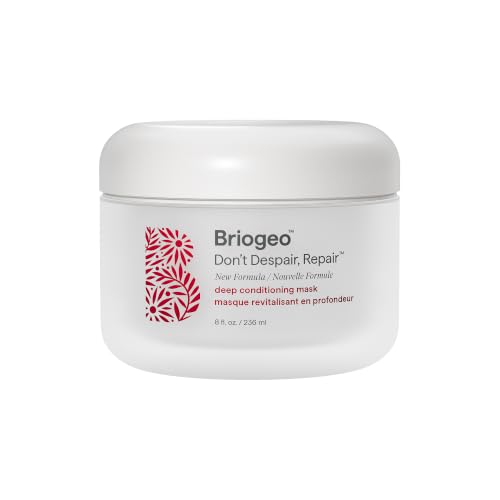
| The Kure Intense Strength Repair Mask | Briogeo Don't Despair, Repair! | Weekly rinse-out mask, silicone-free per its maker, similar or lower price | Moisture-led; makes no bond-repair claim |
|---|
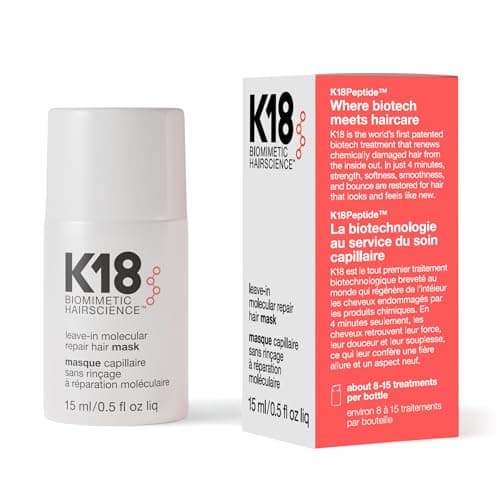
| The Kure Intense Strength Repair Mask | K18 Leave-In Molecular Repair Mask | A stated internal repair mechanism for bleached hair | Leave-in, four minutes, no detangling slip |
|---|
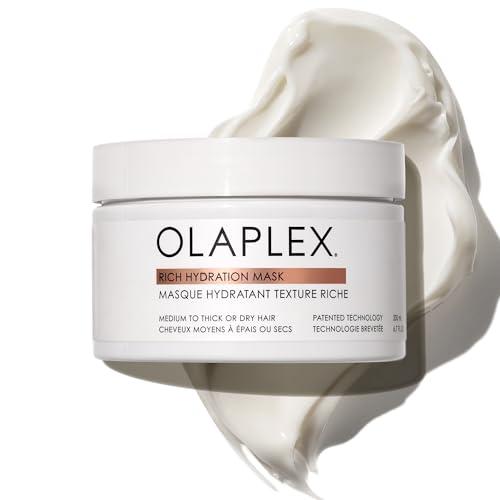
| Hydro Rush Intense Moisture Mask | Olaplex Rich Hydration Mask | Rich weekly moisture for colored hair | Oil-and-butter rich, not humectant-led; heavier on fine hair |
|---|
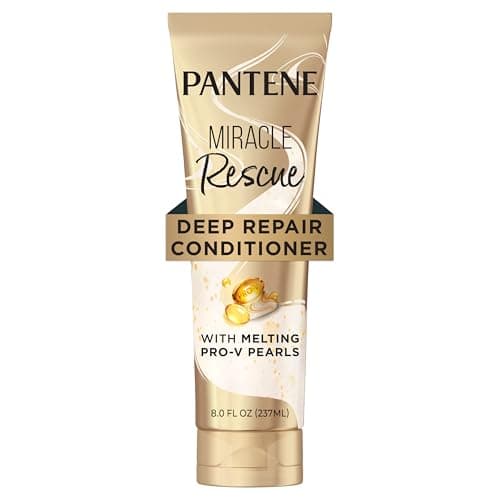
| Hydro Rush Intense Moisture Mask | Pantene Miracle Rescue | Weekly moisture at a fraction of the price | Contains silicones, which amika's claims exclude |
|---|
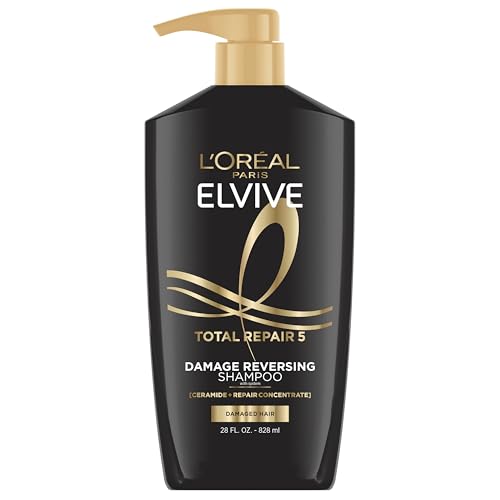
| The Kure Strength Repair Shampoo | L'Oréal Elvive Total Repair 5 Shampoo | Repair-positioned wash, single-digit price | Conventional surfactants; conditioning claim, not a bond claim |
|---|
| Perk Up Dry Shampoo (talc-free) | No like-for-like substitute here | - | Talc-free is stated explicitly by amika; the dry shampoo roundup is the right page for that step |
|---|
Which alternative matches which reason
"The Kure works, it is just a salon price for a rinse-out tub." Briogeo if your hair is dry, K18 if it is actually breaking. Work out which you have before you choose: the wet stretch test in the protein overload page separates hair short of structure from hair that is already protein-heavy, and it takes one strand and ten seconds.
"I liked that it strengthened and detangled in one step." Then the honest answer is that neither substitute does both. Briogeo gives you the slip without the strength claim; K18 gives you the repair claim with no slip at all, so you add a conditioner behind it. If one-step is what you are paying for, that is a real reason to stay - the bond repair shortlist sets out how the whole category splits on format.
"Hydro Rush is the one I rebuy." Keep buying it, or read the next section first. If your hair is low-porosity or fine and rich masks sit on top of it rather than sinking in, the humectant mechanism is the reason the product works for you and the oil-based alternatives on this page will feel like a downgrade. Products for low-porosity hair is the page that explains why, and the porosity test takes five minutes.
"Price is the only reason I am here." Pantene Miracle Rescue for the mask slot and the Elvive wash for the shampoo. Between them they cost a fraction of one amika product and cover the two steps that matter most often. Both contain silicones, which is the trade - the silicone guide is worth reading before you treat that as disqualifying.
"My hair is colored and I am worried about the swap." Both amika masks carry explicit color-safe claims, and not every substitute does. Deep conditioners for color-treated hair is the list scoped to that, and the full color-care routine shows where the weekly step sits among the rest.
What amika does that these do not
Three things, stated plainly so the comparison is fair.
- Humectant hydration instead of oils. Hyaluronic and polyglutamic acid attract water into the strand; shea butter and argan oil coat the outside of it. For hair that resists rich products, that is not a smaller version of the same thing - it is the other approach, and nothing in this registry replaces it.
- Strength and slip in one pass. The Kure conditions while it strengthens. The alternatives above do one or the other.
- Stated exclusions. Silicone-free, sulfate-free, color-safe and keratin-safe on Hydro Rush; SLES- and SLS-free on the shampoo; talc-free on the dry shampoo. Two picks on this page contain silicones. If those exclusions are what you are buying, you are not shopping on price.
What amika does not claim, and no product on this page does either, is mending a split end or replacing hair that has already broken off. The split-ends page is explicit about that limit.
What not to swap it for
A protein treatment, if your hair already feels stiff. Straw-like, snapping hair reads as needing more protein and usually needs water. Published work on bleached hair documents how much the process alters both the surface and the interior of the strand (bleaching and hair microstructure), which is why the two states are so easy to confuse.
An oil-heavy mask, if Hydro Rush was working. That is the one substitution on this page most likely to disappoint, for the reason in the section above.
Two masks in the same lane. Two moisture masks is one mask and a spare tub. If the first has not worked, change mechanism rather than brand.
A whole alternative range at once. Swap one product, judge it for a month, then swap the next. Replacing three products simultaneously means you cannot tell which change helped.