What "hydrating" actually means on a color-safe bottle
Color-treated hair is dry for a structural reason, not a cosmetic one. Permanent color and bleach lift the cuticle and deplete the lipid fraction that keeps water inside the strand, which is why the same hair that held moisture fine last year now feels like straw three days after a wash. Microscopy of over-processed hair shows cuticle cells separating and, in severe cases, lifting away from the cortex entirely (effects of excessive bleaching, PMC).
A hydrating shampoo cannot put that structure back. What it can do is two things that matter: clean with a surfactant system gentle enough that it does not pull more dye and more lipid out on every wash, and leave conditioning agents behind so the strand holds what water it still has. That is the whole mechanism, and it is why the cheapest pick on this page outperforms an expensive shampoo with sulfates in it.
The word on the bottle is not regulated — neither "color-safe" nor "sulfate-free" means anything legally — so every pick here is checked against the manufacturer's own ingredient claims, linked on each card.
How we picked these four
1. Moisture first, color safety assumed. This is not a second color-safe shampoo list. The main color-treated shortlist is sorted by how little dye each wash removes. This one assumes that and sorts by how much moisture the shampoo puts back, because dryness is the complaint that sends people searching for a hydrating wash in the first place.
2. Gentle surfactants, stated by the maker. Three of the four are explicitly sulfate-free on the manufacturer's own page. The fourth, Oribe, is a low-lather conditioning cleanser that makes no such claim, and we say so on the card rather than letting the price imply it.
3. One pick per weight class. Moisture and weight travel together, so the list runs from a light everyday wash to a rich salon one. Fine colored hair and coarse colored hair need different bottles, and a single "best" would be wrong for half of you.
4. No scores. Each pick carries an editorial role and a specific disqualifier instead.
We have not used these products ourselves. They are chosen from what is in the formula, what those ingredients are documented to do, and whether that matches the problem this page is about — and every product below links to the manufacturer's own page so you can check the formulation claims yourself. The full method is here.
The four, compared
| Shampoo | Sulfate-free? | Weight on the strand | Best for |
|---|
| L'Oréal Paris EverPure Moisturizing | Yes, per L'Oréal | Light to medium | Colored and dry, washed often, on a budget |
|---|
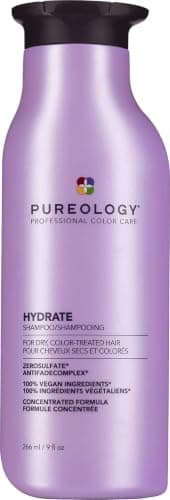
| Pureology Hydrate | Yes, per Pureology | Rich | Dry, medium-to-coarse colored lengths |
|---|
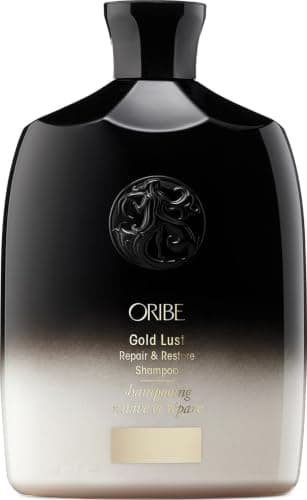
| Oribe Gold Lust Repair & Restore | No claim made | Rich, low lather | Heat-worn colored hair, two or three washes a week |
|---|
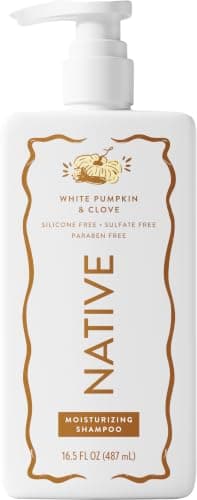
| Native Moisturizing | Yes, per Native | Light | Colored hair plus a short ingredient list |
|---|
If your hair is colored and also fine, read that table from the bottom up. The volume version of the EverPure range exists for exactly that case, and the fine-hair shortlist covers it properly.
Moisture and weight are the same dial
Every conditioning agent that makes hair feel hydrated also adds a small amount of weight. On coarse hair that is free upside. On fine hair the same bottle reads as limp roots by the afternoon, and people conclude the shampoo was bad when it was simply the wrong weight class.
Porosity is the variable underneath this. High-porosity hair — which is what repeated coloring produces — takes conditioning agents up readily and needs more of them; research on hair porosity describes it as a property that rises with chemical damage and governs how readily the fiber absorbs what you put on it (porosity and hair dyeing, PMC). If you have never checked, the porosity test takes ten minutes with a glass of water and tells you which end of this list to shop from.
The shampoo is a third of the job
Be honest about the ceiling here: a wash sits on your hair for sixty seconds. The steps that stay on it are the ones that move the needle on dryness.
- A conditioner on every wash, without exception. The color-safe conditioner shortlist is the matching step, and skipping it undoes the shampoo choice entirely.
- A deep conditioner weekly. The deep-conditioner picks do in one session what a shampoo cannot do in a month.
- Cooler water and fewer washes. The American Academy of Dermatology's everyday hair care guidance is largely about handling, heat and washing habits rather than products (AAD, everyday hair care), and on colored hair it is the cheapest change available.
- A few drops of oil on damp ends. An argan oil seals the moisture the wash and conditioner just delivered.
Three mistakes that undo a hydrating shampoo
Clarifying every week. A clarifying wash strips buildup and takes toner and dye with it. The clarifying question has a longer answer, but the short version is once a month at most on colored hair, and not in the week after a color appointment.
Stacking protein on top. Hydration and protein are different problems. If your colored hair feels rough and brittle rather than dry and thirsty, you may have the opposite issue — protein overload has a simple test in it.
Expecting a hydrating shampoo to fix brass. Moisture and tone are separate jobs. If the complaint is yellow or orange rather than dry, a purple shampoo is the category you want, used alongside one of these rather than instead of it.
Done properly this is a two-bottle, under-twenty-dollar change: a sulfate-free moisturizing wash on every shampoo day and a conditioner from the same range. Colored hair responds to that faster than to anything else you can buy.