Frizz is a moisture problem before it is a styling problem
Frizz happens when the cuticle is raised rather than lying flat, so individual strands lift away from the ones around them instead of grouping. There are two reasons a cuticle sits raised: the strand is porous and damaged, or the strand is dry and pulling moisture out of the air to equalize. Usually both.
That second mechanism is the one people underestimate. A dry strand is thirsty, humid air carries water, and water moving into the cortex makes the strand swell unevenly — which forces the cuticle scales open and produces exactly the halo of fine lifted hairs people call frizz. It is why frizz is worse on a humid day and why the same head of hair behaves differently in two climates. The underlying diagnosis is covered at length in why is my hair frizzy.
A mask is the single most useful product against that, because it is the only step in a normal routine with enough contact time to put a meaningful amount of moisture back into a dry strand. A hydrated strand has less reason to take water from the air, so it swells less and the cuticle stays flatter. Everything else in an anti-frizz routine — gel, cream, oil, serum — works on the outside of the hair and holds the result in place. The mask is what creates the result.
The AAD makes the same point from the other direction in its curly hair guidance: deep conditioning and limiting heat are the foundations, and styling products sit on top of that rather than instead of it (AAD, curly hair tips).
Match the mask to how much weight your hair can carry
This is the whole ranking logic above, and it is the thing most frizz roundups skip. All five masks hydrate. They differ in how heavy the result is, and frizzy hair comes in two very different weights.
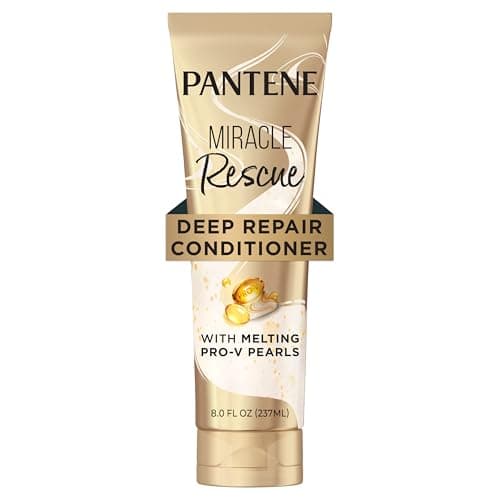
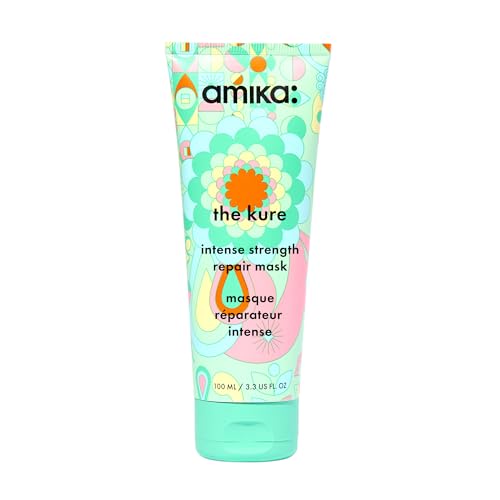
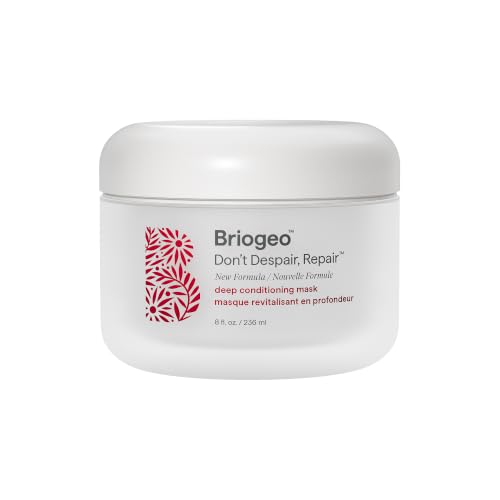
Coarse, thick or curly frizz can carry almost anything. Butters, oils and heavy emollients are what close down coarse frizz, and a light mask on coarse hair does nothing noticeable. Briogeo and the amika Kure mask are the right end of the range; Pantene Miracle Rescue does a surprisingly similar job for a fraction of the price.
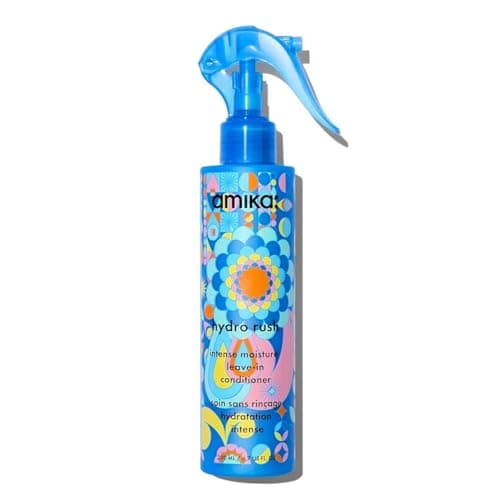
Fine frizz is a different problem with the same name. Fine hair frizzes readily because each strand is light enough to lift, but it is flattened by anything rich — and limp hair frizzes more, not less, because there is no weight holding it down. A humectant-led mask like amika Hydro Rush is the answer: hydration without the oil load. If fine hair is your situation, the companion lists are curly products for fine hair and curl cream for fine hair.
Porosity is the second axis, and it matters as much as thickness. High-porosity hair takes up moisture fast and loses it fast, so it wants a rich mask and wants it weekly. Low-porosity hair resists everything, so a heavy mask sits on the surface and never goes in — which reads as greasy and frizzy at once. If you have not checked, the porosity test is five minutes well spent, and the shortlists split accordingly: high porosity and low porosity.
What to look for on the back of the jar
Three categories do the work, and a useful mask has at least two of them.
- Humectants — glycerin, hyaluronic acid, panthenol, honey. These attract and hold water in the strand. They are what makes a mask hydrating rather than merely softening, and they are the right lead ingredient for fine hair. One caveat: in very humid air a humectant-heavy leave-on product can pull in more water than you want, which is a real cause of frizz — but in a rinse-out mask, which is washed off, that is not an issue.
- Emollients — shea butter, argan, rosehip, coconut and jojoba oils, fatty alcohols such as cetyl and stearyl alcohol. These soften the strand, fill surface gaps and lower friction, which is what stops the cuticle catching and lifting. The heavier the hair, the more of these it wants.
- Proteins — hydrolyzed keratin, wheat, rice or silk protein. These temporarily patch a damaged cuticle and are genuinely useful on bleached or heat-damaged hair. They are also the ingredient most easily overdone: too much protein and hair goes stiff and straw-like and frizzes worse. Read hair protein overload before buying a third protein product.
What is not a signal: the word frizz on the front of the jar, a brand that specializes in curls, or a long list of botanical extracts near the bottom of the ingredients. The order of the first six ingredients tells you more than any claim on the label.
How to use a mask on frizzy hair
Application changes the result more than the choice of jar does, and frizzy hair has two specific requirements most instructions miss.
Squeeze the water out first. Hair that is dripping wet is already full of water, so the mask slides off rather than going on. Squeeze gently with your hands, or blot with a cotton t-shirt, until it is damp rather than soaked.
Mid-lengths and ends only, with a comb. Never the scalp — that is how roots end up greasy while frizz continues at the ends. Then run a wide-tooth comb through to distribute it, which is also the gentlest detangling you will do all week, because the mask provides the slip.
Leave it the full time, and add warmth if you can. Five minutes is the minimum, ten is better, and the time on the jar is not padding. A shower cap or a warm towel for the last five minutes raises the temperature slightly and helps the cuticle take product up — which matters most on low-porosity hair.
Rinse cooler than you washed. A cool final rinse helps the cuticle lie back down. The effect is modest and it is free.
Once a week, and then stop assessing it daily. A mask is a cumulative product. Judge it after three uses, not after one. The full technique page is how to use a hair mask, and if you are not sure whether you need a mask at all rather than a better conditioner, conditioner vs hair mask settles it.
What a mask will not fix
It will not stop frizz on the day. A mask changes the strand over weeks; the thing that flattens frizz this morning is a leave-in, a cream or a gel, and in genuinely humid air a hydrophobic film is the most effective option available — see best products for frizzy hair in humidity.
It will not fix mechanical frizz. If your frizz is mostly short broken hairs standing up along the part and the crown, that is breakage rather than dryness, and the causes are heat, tight styles and brushing wet hair. Conditioning helps at the margins; changing the handling is what stops it.
It will not reach hair that is already coated. If masks have stopped doing anything, clarify once and try again — the clarifying shortlist covers which, and hard water is worth ruling out at the same time, because mineral deposits produce frizz that no mask will touch.
And it will not turn frizz into zero frizz. Some lifted hairs are what hair does; the achievable result is soft, grouped, shiny hair with a halo you stop noticing, not a laminated finish.
We have not used these products ourselves. They are chosen from what is in the formula, what those ingredients are documented to do, and whether that matches the problem this page is about — and every product below links to the manufacturer's own page so you can check the formulation claims yourself. The full method is here.