Why most curl creams fail on fine hair
The curly aisle was built for coarse, dense, high-porosity hair, and the standard curl cream reflects that: shea butter, mango butter, coconut oil and heavy emollients, in a thick emulsion designed to weigh a coil down enough to stop it frizzing.
A fine strand cannot carry that. The weight that defines a coarse coil straightens a fine one, and the result is the specific failure everyone with fine curls recognizes — hair that looks defined while it is wet and hangs in limp, stringy waves once it dries.
Two things are happening and it is worth separating them.
Mass. A fine strand has less structural stiffness to resist the downward pull of a product sitting on it. Butters and oils are heavy, so the curl loses its shape from its own weight plus the product's.
Film quality. What actually holds a curl is a film that dries into a flexible cast around the clump. Butters do not form a film, they stay soft and greasy. Humectants and film-forming polymers — glycerin, hyaluronic acid, flaxseed, polyquaternium compounds — do form one, and they weigh almost nothing.
So the useful specification for fine hair is not "light" in the marketing sense. It is humectant-and-polymer-led rather than butter-led, which you can read off an ingredient list in about ten seconds: if the first three ingredients after water include a butter or a solid oil, it is not for you.
How we picked these four, and why two come with conditions
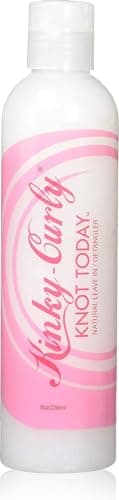
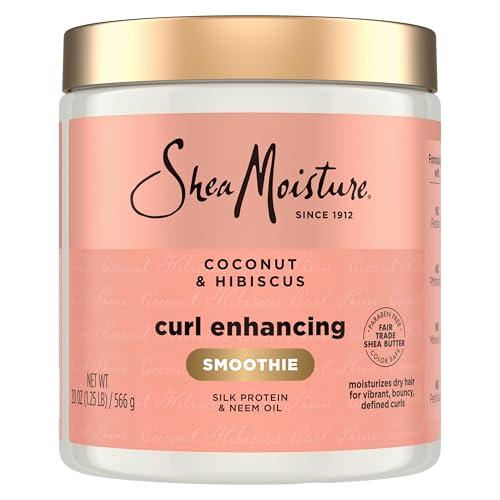
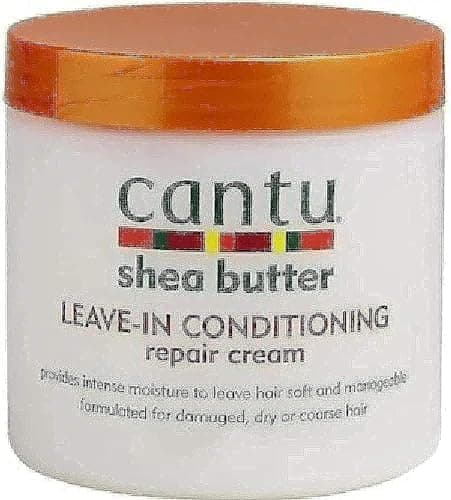
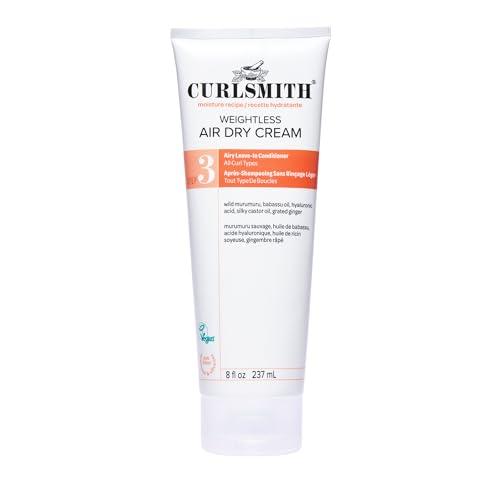
1. Ranked by weight, lightest first. That is the axis that decides the outcome on fine hair, so the list is sorted by it rather than by price or brand.
2. Creams only. No gels, no mousses, no jellies. Those are hold products, they belong in the routine, and they are a different purchase — curl cream vs gel sorts out which you need. This page answers which cream.
3. Honest about the two that are too rich. The third and fourth picks are excellent creams for the hair they were formulated for, and plenty of people with fine curls own them already. Rather than leave them off, each one says exactly when and how it works on a fine strand — which is a narrower answer than the bottle gives you.
4. Fine, not thin. Fine describes the diameter of each strand; thin describes how many you have. This page is about the first. If your strands are actually wide and there are simply a lot of them, the coarse hair page is the right list and you can use everything on this one generously.
What we did not use: scores, star ratings or review counts. Each pick carries its editorial role and a specific disqualifier instead.
We have not used these products ourselves. They are chosen from what is in the formula, what those ingredients are documented to do, and whether that matches the problem this page is about — and every product below links to the manufacturer's own page so you can check the formulation claims yourself. The full method is here.
How much to use, which matters more than which cream
Most fine-haired people using a curl cream are using roughly four times too much, and the cream gets blamed.
Start with an amount the size of a pea for short hair or a dime for shoulder-length, on soaking wet hair, mid-lengths and ends only. Nothing at the roots — root weight is what flattens the whole shape, and the curl pattern near the scalp is barely affected by product anyway.
If that leaves your hair underdressed, add the same amount again next time rather than doubling up on the same day. You can always add; you cannot remove without rewashing. And the test of whether you used the right amount is how it looks dry, not how it feels wet — wet hair feels under-conditioned at exactly the dose that dries well on fine strands.
The method that makes a slightly-too-heavy cream work
Worth knowing before you replace a cream you already own, because it rescues most of them.
- Emulsify it in wet palms first. A small amount of cream plus a splash of water, rubbed between your hands until it is a thin milk rather than a paste. This single change halves the effective weight and improves how evenly it spreads.
- Apply to hair that is genuinely dripping. Water is the carrier. On towel-dried hair a cream sits in streaks and lands unevenly.
- Rake through once, then scrunch upward. Raking distributes, scrunching encourages the clump. Over-raking separates clumps into frizz.
- Follow with a gel on top if you need hold. Fine curls usually need more hold than coarse ones, because there is less mass holding the clump together. A light cream plus a firm gel beats one heavy cream — the counter-intuitive point that the full fine-curls routine is built around.
- Do not touch it while it dries. Air dry or diffuse on low, and leave it alone until it is completely dry.
- Scrunch the cast out at the end. That crunchy shell is the film doing its job. Breaking it once dry leaves the shape and loses the crunch.
Do you even need a cream?
A real question on fine hair, and for some people the answer is no.
A cream's job is moisture plus a little definition. If your fine hair is not especially dry — it stretches when wet, it is not color-treated, your ends are not rough — then a leave-in spray plus a gel may give you more definition and less weight than any cream. Plenty of fine-curl routines are exactly that, and they are cheaper.
A cream earns its place when fine hair is also dry, high-porosity, or color-treated, and when a spray leave-in leaves the ends frizzing by mid-afternoon. If you are not sure which camp you are in, the porosity test is the fastest way to find out, and the curly leave-in shortlist covers the spray alternative.
If it still falls flat
Three causes that are not the cream, in the order worth checking.
Buildup. Fine hair shows residue first, and a film of old product, silicone or mineral deposit stops anything new from working. One clarifying wash tells you within a day — clarifying shortlist — and if your water is hard, that is its own problem: what hard water does to hair.
Too much conditioner, not too little. Fine curls are over-conditioned far more often than under-conditioned, and the symptom is limp, shapeless hair that feels soft. Cutting the rinse-out conditioner back to the ends for two weeks is free and frequently fixes it — why curls fall flat goes through the rest.
The wash, not the style. A conditioning shampoo leaves fine hair with nothing to grip. A properly cleansing one at the scalp leaves the curl pattern free to form before you add anything — curly shampoos, and shampoos for fine hair if weight is your recurring complaint.
The AAD's curly hair guidance is a useful sanity check alongside all of this — gentle handling, cleansing less often than straight hair, and detangling with conditioner in rather than dry (AAD, curly hair tips).