Purple shampoo is not a shampoo for purple hair
This search has two completely different intents behind it, and the wrong answer wastes a bottle. Purple shampoo is a violet-pigmented toner. Its job is to deposit a trace of violet onto pale blonde or gray hair to neutralize yellow, and it does nothing good for hair dyed purple. Shampoo for purple-dyed hair is what this page is about: a wash gentle enough that it does not strip a vivid direct dye.
If you came here for the toner, the purple shampoo shortlist is the right page, and purple vs blue shampoo explains which pigment cancels which unwanted tone. Everything below assumes your hair is actually purple, pink, blue, green or red.
Why vivid color bleeds when natural shades do not
Fashion shades are usually direct dyes — semi-permanent pigments that sit in and on the cuticle rather than forming larger molecules inside the cortex the way permanent color does. There is no developer and no chemical reaction locking them in place, which is why they are gentler on hair and why they rinse out so readily.
Two things pull them out. The first is surfactant strength: a sulfate cleanser is efficient at removing anything oil-soluble or loosely bound, and your dye is in that category. The second is porosity. Vivid color almost always sits on pre-lightened hair, and bleached hair is high-porosity by definition — the cuticle is lifted and the strand takes things up and lets them go faster (true porosity measurement of hair, PubMed). That combination is why a week-old teal fades to mint.
How we picked these four
1. The surfactant is the decision. Every pick is either sulfate-free per its manufacturer or not a shampoo at all. Nothing else on the label matters as much.
2. No deposited pigment. A toning shampoo fights your color. None of these contain a color-depositing pigment, and the Native pick is explicitly dye-free per the brand.
3. Moisturizing, because the hair underneath is bleached. Vivid color lives on lightened hair, and lightened hair is dry. A gentle wash that also conditions is doing two jobs.
4. One non-shampoo. The highest-leverage product on this list is the co-wash, because the real answer to fading is washing with shampoo less often.
We have not used these products ourselves. They are chosen from what is in the formula, what those ingredients are documented to do, and whether that matches the problem this page is about — and every product below links to the manufacturer's own page so you can check the formulation claims yourself. The full method is here.
The four, compared
| Pick | Type | Sulfate-free? | Use it |
|---|
| L'Oréal Paris EverPure Moisturizing | Shampoo | Yes, per L'Oréal | On your one real wash day a week |
|---|
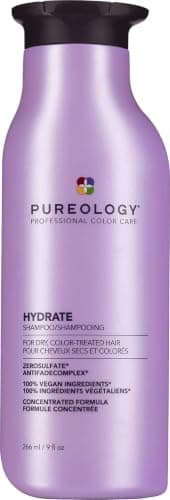
| Pureology Hydrate | Shampoo | Yes, per Pureology | Same, if your lengths are dry enough to need the richer option |
|---|
| As I Am Coconut CoWash | Cleansing conditioner | Yes, per As I Am | On the days between, instead of shampoo |
|---|
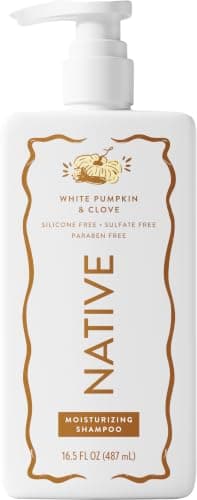
| Native Moisturizing | Shampoo | Yes, per Native | When you want the shortest ingredient list available |
|---|
The routine that doubles the life of a vivid color
The products matter less than the habits here, so this is the part worth reading twice.
- Wash in the coolest water you can tolerate. Heat swells the cuticle and lets pigment out. This is free and it is the biggest single lever.
- Shampoo once a week, co-wash or rinse the rest. Count washes, not days. Four fewer shampoos a month is visibly more color at the end of it.
- Shampoo the scalp only. The roots get greasy; the lengths carry the dye. Let the lather run down and leave it at that.
- Never clarify. A clarifying wash will take a vivid shade out in one go — which is exactly what it is designed to do.
- Refresh with diluted dye in conditioner. Most vivid brands endorse this, and it is why direct dyes are forgiving: a teaspoon of color in your conditioner on wash day tops the shade back up.
- Keep heat styling down. Flat irons fade vivids fast, and a heat protectant is not optional on pre-lightened hair.
Dry shampoo is the other half of stretching washes. The dry shampoo shortlist covers the cans worth buying, and on dark fashion shades the tinted versions avoid a gray cast.
The one case for a tinted shampoo
There is a narrow exception to the no-pigment rule. If your vivid color has faded to a pale, washed-out version of itself and gone brassy or yellow underneath — which happens as pink and purple fade off bleached hair — a color-depositing conditioner in your own shade, or a violet shampoo used sparingly, can clean up the undertone.
That is a repair job rather than a maintenance routine, and it is worth being clear about what is happening: you are re-dyeing, not washing. The brassiness guide covers the underlying tone problem, and the mask picks for bleached hair address the condition of the hair carrying the color, which on a fashion shade is usually the limiting factor long before the dye is.
How we picked
Products we have personally tested: none
Most hair care roundups are written in a "we tested these" voice. We have not, and saying so is the point. These picks are chosen the way an informed shopper would choose them: read what is actually in the formula, check what those ingredients are documented to do, match that against the specific problem the page is about, and confirm the product is still being sold.
Each pick gets a role — the drugstore option, the one for high porosity, the gentlest of the set — rather than a score out of ten, because a score would imply a measurement nobody took. Nobody pays for inclusion or placement, and when the cheap product is the right answer we say that too. The full method is on one page.