Why winter dries hair out, and it is not the cold
Hair is hygroscopic: it exchanges water with the air around it continuously, and its moisture content tracks the relative humidity of the room you are standing in. That one fact explains almost everything about winter hair.
Cold air physically cannot hold much water vapor. Then you bring that air indoors and heat it by twenty degrees, which drops the relative humidity further — a heated room in January is often drier than desert air. Hair sitting in that room loses water to it, and a drier strand is stiffer, rougher, more prone to breaking and far more likely to build a static charge.
Two things follow, and they are the reason winter advice is different rather than just more. First, the problem is the indoor air rather than the outdoor weather, so nothing you wear on your head addresses the main cause. Second, this is a moisture problem, not a damage problem — which means the answers are the same products you would use for dry hair, applied more often, rather than a separate seasonal category.
Porosity decides how badly it hits you. High-porosity hair exchanges water fast in both directions, so it dries out fastest in winter and shows it first at the ends. Low-porosity hair resists moisture loss but also resists the products you add, so it needs warmth and dwell time rather than quantity. If you have not checked, the porosity test takes five minutes, and the shortlists split accordingly: high porosity and low porosity.
Static, and the one thing that actually fixes it
Static is the clearest signal of the season, and it is a direct measure of how dry your hair is. Water conducts, so a hydrated strand dissipates charge as fast as friction generates it. A dry strand holds the charge, and like charges on adjacent strands repel — which is the flyaway halo.
Everything that reduces static works by one of two mechanisms: putting water back into the strand, or reducing the friction that generates the charge. In practice that means a leave-in conditioner is the single most effective product, because it does both. Oils and silicone serums work on the friction side only, which is still useful and is why a drop smoothed over the surface calms flyaways within seconds.
The friction sources worth knowing about: wool hats, scarves, synthetic coat collars, car seats and pillowcases. You are not going to stop wearing a hat in January, but a smoother lining, a silk scarf under a wool one, and a satin or silk pillowcase remove a surprising amount of the charge for a one-off cost.
From the picks
What to add for the season
A rich weekly mask, an all-rounder leave-in spray that also handles static, a finishing oil for the ends, and a drugstore leave-in if you would rather not spend much. The mask plus one leave-in covers most winters — this is a list to choose from, not a list to buy.
Best weekly mask
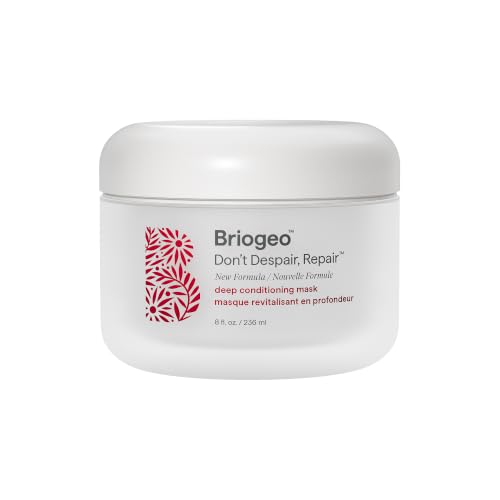
Briogeo Don't Despair, Repair! Deep Conditioning Mask
The straightforward weekly deep conditioner, built on oils and B-vitamins rather than a patented bond active. When hair is thirsty rather than structurally broken, this is the honest answer.
Best all-rounder leave-in
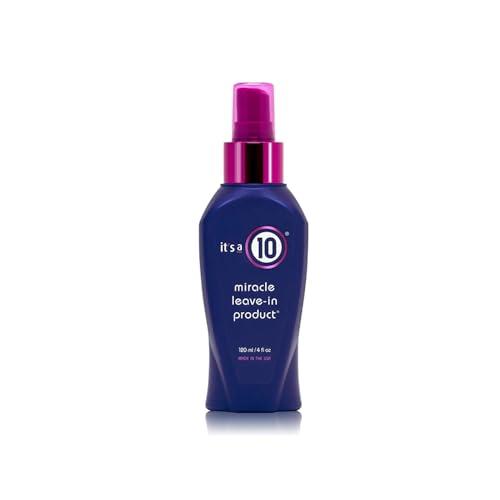
It's a 10 Miracle Leave-In Product
A spray leave-in that covers several jobs at once. The brand lists ten claimed benefits including detangling, frizz control and thermal protection, and the practical value is that it replaces two or three bottles.
Best finishing oil
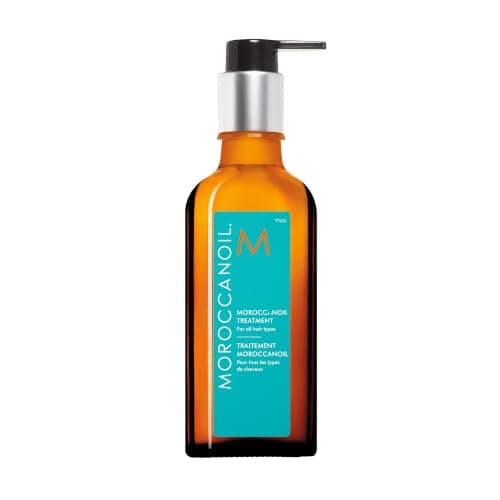
Moroccanoil Treatment Original
The product that started the argan-oil category and still the most useful version of it: a few drops through damp lengths smooths the cuticle and cuts drying time.
L'L'Oréal ParisNo product photograph available for the L'Oréal Paris Elvive Total Repair 5 Ceramide Recharge Leave-In Conditioner
The drugstore leave-in
L'Oréal Paris Elvive Total Repair 5 Ceramide Recharge Leave-In Conditioner
A cheap, widely stocked leave-in built around ceramides. It does the everyday job of keeping dry ends manageable, which is most of what a leave-in is for.
The four changes worth making
1. Add a weekly mask, or make the one you have richer. This is the highest-value change and the one people skip because it takes ten minutes. A rinse-out mask has enough contact time to put a meaningful amount of moisture into the strand, which a two-minute conditioner does not. Once a week from November through March, on the mid-lengths and ends only. How to use one properly matters more than which jar you buy, and the mask shortlist has the options at every price.
2. Start using a leave-in, even if you never have. A leave-in conditioner keeps working between washes, which is exactly what a dry room requires. It is also the main answer to static. On damp hair, mid-lengths and ends, every wash — and on dry hair mid-week when the ends feel rough. The shortlist is best leave-in conditioner for dry hair.
3. Turn the heat down, not necessarily off. Winter is when heat styling does the most damage, because it is working on hair that is already low on water. Lower the dryer setting, stop while the hair is still faintly damp, and accept one flat-iron pass instead of three. If you use irons at all, a heat protectant matters more now than in July — do you need a heat protectant is honest about when it does and does not.
4. Condition on the days you do not wash. The cheapest trick on this page. If you are rinsing your hair anyway, use conditioner alone — no shampoo — and rinse it out. You get a conditioning step without a cleansing step, which is the right ratio for winter. Washing less often is the companion change, and how often to wash your hair covers how far you can push that for your hair type.
One more, free: a humidifier in the room you sleep in does more for winter hair than any product, because it treats the actual cause. It is not a hair product and we do not sell one, which is rather the point.
The scalp half of the problem
Dry indoor air dries the scalp as well as the hair, and a tight, itchy, flaking scalp in January is extremely common. The complication is that it looks like dandruff and is usually not — dry-scalp flakes are small, white and dry, while dandruff flakes are larger, yellowish and oily, because dandruff involves yeast feeding on sebum rather than a lack of moisture.
That distinction decides what you buy. A dry scalp wants a gentler shampoo, less frequent washing and an oil or a scalp treatment — best shampoo for dry scalp and best hair oil for dry scalp cover it. Dandruff wants a shampoo with a named antifungal active and will not respond to moisture at all — best shampoo for dandruff sorts those by active ingredient. The AAD's guidance on treating dandruff is the reference for the second case (AAD, how to treat dandruff).
Hot showers are worth one line of their own. Very hot water strips scalp lipids and leaves the skin tighter and itchier, and in winter everybody turns the temperature up. Warm rather than hot, and a cooler final rinse, costs nothing.
What you can ignore
Not everything in a seasonal hair article is worth your money, and three claims come up every year.
You do not need a separate winter product line. Winter hair is dry hair. The products are the same ones on the dry-hair shortlists, used more often. A range sold specifically as seasonal is a marketing calendar, not a formulation difference.
Cold weather does not cause hair loss. Seasonal shedding is a real and well-described phenomenon, but it peaks in late summer and autumn rather than deep winter, and it is temporary. If you are shedding noticeably and it is not settling, that is worth a diagnosis rather than a season — the AAD is clear that effective treatment starts with finding the cause (AAD, hair loss diagnosis and treatment), and why is my hair thinning walks through the common ones.
Going out with wet hair in the cold does not damage it in any way the research supports. It is unpleasant, and hair is more fragile when wet so a frozen, stiffened strand handled roughly can break — but the folklore is about catching cold, not about hair.
What to change back in spring
Worth planning, because leaving a winter routine running into a humid summer causes its own problem. Rich masks and heavy leave-ins on hair that no longer needs them produce limp, weighed-down hair, and in humid air a humectant-heavy leave-in can pull in more water than you want — which is a genuine cause of frizz rather than a cure for it.
So in spring: mask every other week rather than weekly, switch the leave-in for something lighter, and clarify once to clear a winter's worth of accumulated product — the clarifying shortlist covers that. The humid-weather version of this page is best products for frizzy hair in humidity, and the routine-by-hair-type guide is the year-round baseline both seasons adjust from.
We have not used these products ourselves. They are chosen from what is in the formula, what those ingredients are documented to do, and whether that matches the problem this page is about — and every product below links to the manufacturer's own page so you can check the formulation claims yourself. The full method is here.