Gray hair has two separate problems, and most advice covers one
Search this topic and you will get purple shampoo, over and over. Purple shampoo is genuinely useful and it solves exactly one of the two things people dislike about gray hair.
Problem one is texture. Gray hair is commonly coarser, drier, wirier and less inclined to lie flat than the hair it replaced. This is the complaint people describe as hair that will not do what it used to, and no toning product touches it.
Problem two is tone. White and silver hair picks up a yellow or brassy cast from the environment and from products. That is the one purple shampoo fixes, and it fixes it cosmetically each wash rather than permanently.
The order matters. Toning yellowed hair that is also dry and rough gives you cooler rough hair, and toning shampoos are drying, so leading with pigment usually makes the texture complaint worse. This page is built the other way round: moisture first, tone as a weekly correction.
Why gray hair feels different
Three changes happen alongside the loss of pigment, and they are worth understanding because they explain what to buy.
Less sebum. Scalp oil production declines with age, so there is less natural conditioning traveling down the strand. The ends are drier for a straightforward reason, and a richer conditioner is the direct answer.
A different surface. Gray and white strands tend to have a rougher cuticle surface, which both loses water faster and scatters light rather than reflecting it. That is why gray hair reads as dull even when it is in good condition, and why a finishing oil does more here than it does on pigmented hair.
More apparent coarseness. The strand often feels wirier and holds a bend more stubbornly. Whether the diameter genuinely changes varies between people, but the handling consequence is consistent: gray hair behaves like coarse hair and should be treated like it. Everything in the coarse hair guide applies, including the warning about protein.
And one thing that does not change: the follicle is still producing hair at the same rate. Gray is a pigment change, not a health problem. If you are also shedding, that is a separate issue — why hair thins covers which causes need a doctor.
What actually causes the yellowing
Worth knowing, because two of the five causes are fixable at source and purple shampoo only disguises the rest.
UV. Sunlight oxidizes the keratin and shifts white hair yellow. The AAD's summer hair guidance covers the practical measures and a hat is the main one (AAD, summer hair care).
Minerals in your water. Iron in particular deposits on the strand and pulls light hair orange. This is the version of yellowing that toning cannot fix, because the cause is a deposit rather than exposed pigment — if you tone endlessly with no result, read what hard water does to hair.
Product residue. Silicones, oils and dry shampoo yellow over time on white hair. A monthly clarifying wash is part of the fix — the color-loss trade-off is smaller here than on dyed hair, because there is no dye to lose.
Smoke, pollution and chlorine. All deposit and all oxidize.
Heat styling. Repeated high heat yellows white hair directly, and it is the cause people are most surprised by.
So the honest sequence is: reduce the causes you can, clarify monthly to remove what has deposited, and tone weekly for the rest. Toning three times a week to stay ahead of hard water is treating a symptom at the cost of your hair's condition.
How we picked these five
1. Moisture first, pigment third. The list is ordered by what changes gray hair most, and that is the wash and the weekly mask rather than the toner.
2. Sulfate-free where it is a cleanser. Gray hair is already short of moisture and a harsh surfactant makes both problems worse at once — the sulfate-free case.
3. One toning product, chosen for gray rather than for blonde. Products aimed at bleached blondes are formulated to neutralize yellow on a warm base. White hair is a different canvas and takes pigment faster, which is why the pick here is one explicitly positioned for gray, silver and white hair — and why it needs using sparingly. If you want the full comparison, purple shampoos for gray hair ranks them against each other properly.
4. No protein-led repair products. Gray hair is not damaged, it is dry, and stacking protein onto it produces the stiffness covered in protein overload.
What we did not use: scores, star ratings or review counts. Each pick carries its editorial role and a specific disqualifier instead.
We have not used these products ourselves. They are chosen from what is in the formula, what those ingredients are documented to do, and whether that matches the problem this page is about — and every product below links to the manufacturer's own page so you can check the formulation claims yourself. The full method is here.
A weekly routine for gray hair
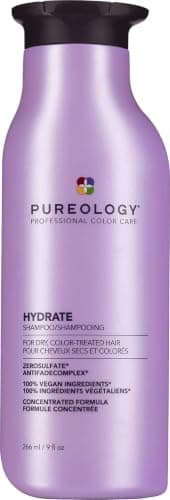
- Wash two or three times a week with the sulfate-free shampoo. Scalp only, lukewarm water. Less frequent washing suits gray hair well because there is less oil to remove.
- Condition every wash, on the lengths and ends, for three minutes. More product than you used to need, left on longer.
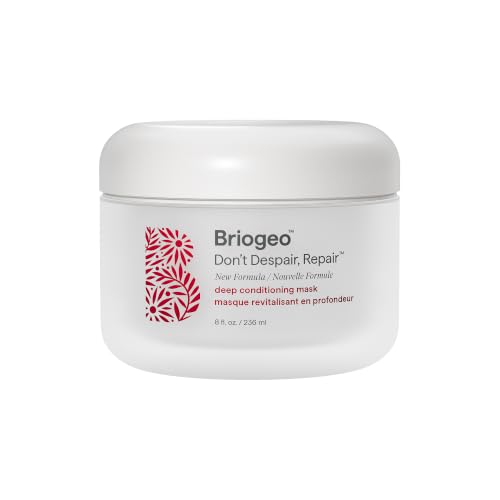
- Mask once a week in place of the conditioner. This is the step that changes the texture complaint.
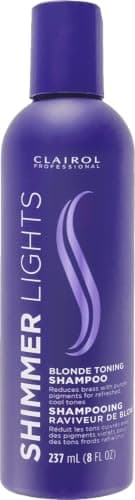
- Tone once a week, replacing the shampoo that day. Three to five minutes, no longer, and watch the first time — white hair takes violet pigment fast and over-toning reads as a lilac cast. Rinse early if in doubt; the frequency guide goes into timing.
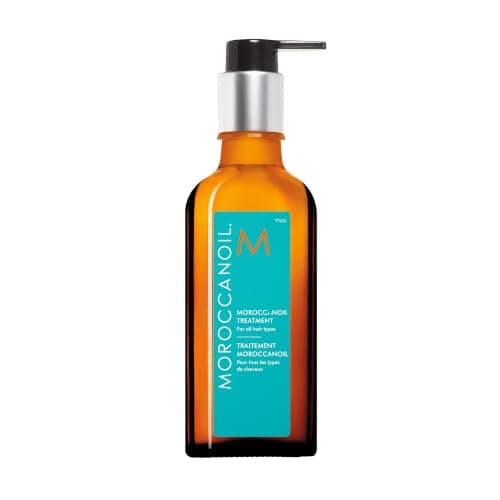
- Oil the ends after every wash, while slightly damp. Two or three drops. This is the shine step and gray hair needs it more than pigmented hair does.
- Clarify monthly. Then mask immediately afterwards.
- Wear a hat in strong sun, and rinse your hair after swimming in chlorinated water. Both are free and both prevent yellowing rather than correcting it.
Four mistakes worth avoiding
Using purple shampoo as your everyday wash. The most common one. Toning shampoos are drying by design and gray hair is already dry — and the pigment builds to a dull violet cast that looks worse than the yellow did.
Treating dullness as a toning problem. Dull usually means a rough cuticle, and the answer is moisture plus an oil, not more pigment.
Buying volumizing products for the texture. Gray hair is often coarse rather than fine, and weightless formulas are the wrong direction entirely.
Ignoring the water. If you live somewhere with hard water, that is doing more to your color than any product in your shower, and no amount of toning gets ahead of it. A monthly reset and a look at the hard water guide is the cheaper fix. For the wash step on its own, shampoos for gray hair compares the options in more depth.