Before any of this: the American Academy of Dermatology is clear that effective treatment for hair loss starts with finding the cause, and that getting an accurate diagnosis means seeing a board-certified dermatologist (AAD, hair loss diagnosis and treatment). Thyroid disease, low iron, hormonal change and medication all cause shedding, and no cosmetic product on this page addresses any of them.
What to rule out before you buy any serum
This section is first because it is worth more than the rest of the page. In women, shedding frequently has a cause that is identifiable and treatable, and a cosmetic serum does nothing about any of them.
Iron deficiency. Common in menstruating women and a recognized contributor to hair shedding. Ferritin is a simple blood test and the one most worth asking for.
Thyroid disease. Both underactive and overactive thyroid cause hair loss, and both are treatable once identified.
Postpartum shedding. Hair that stayed in place through pregnancy sheds together a few months after birth. It is dramatic, it is normal, and it resolves on its own over several months. Buying a serum during it tends to produce a false success story when the cycle corrects.
Perimenopause and menopause. Changing hormone levels can shift the growth cycle and reduce strand diameter, which reads as thinning across the whole head.
Recent illness, surgery, crash dieting or acute stress. Any of these can trigger telogen effluvium — a large synchronized shed two to three months after the event, which also resolves on its own.
Traction from how you wear it. Tight ponytails, braids, weaves and extensions pull on the follicle, and sustained tension causes a loss pattern at the hairline and temples that is permanent if it continues long enough. The AAD lists hairstyles that pull among the causes of hair loss, and it is the one on this list that products cannot touch at all (AAD, hair loss causes).
Female pattern hair loss. The genetic form, and the one a serum is actually aimed at. It shows as a widening part and diffuse thinning over the top of the scalp rather than a receding line. The AAD's own patient guidance on it is the best starting point (AAD, female pattern hair loss), and getting a diagnosis matters because the effective treatments differ by cause (AAD, diagnosis and treatment).
None of that is a reason not to buy a serum. It is a reason to spend a few weeks on a diagnosis first, because six months of a cosmetic product is six months a treatable cause went untreated. Our own longer piece on this is why hair thins.
Why women specifically choose to avoid minoxidil
Minoxidil is the over-the-counter treatment with the strongest evidence base for pattern hair loss, and choosing against it is choosing weaker evidence. The reasons women give are usually concrete rather than vague, and they are worth setting out plainly.
Pregnancy and breastfeeding. Minoxidil's own labeling addresses use in pregnancy and while nursing, and this is a question for your own doctor or pharmacist rather than for a website. For many women it is the reason the decision is made for them, at least temporarily.
Unwanted facial hair. Minoxidil applied to the scalp can occasionally affect hair elsewhere, and that side effect weighs more heavily for women than the literature's frequency figures suggest.
The initial shed. Minoxidil commonly causes a temporary increase in shedding in the first weeks as follicles reset. Knowing that is coming does not make it comfortable, and it is where a lot of people stop.
Indefinite commitment. Stop and you lose the gains over the following months. It is a twice-daily habit for as long as you want the result.
Scalp irritation from the solution form, particularly on an already reactive scalp.
The honest framing, which the serum-versus-minoxidil comparison goes into properly: a cosmetic serum is not a weaker version of minoxidil, it is a different category with a different evidence base. Choosing one over the other is a legitimate trade — fewer commitments and less certainty — and it should be a knowing one.
Diffuse thinning changes which products matter
This is the practical reason this page exists separately from our general minoxidil-free shortlist.
Male pattern loss concentrates at the crown and temples, so a targeted serum applied to two areas makes sense. Female pattern loss is typically diffuse: the part widens, overall density drops, and strand diameter shrinks across the whole top of the scalp.
Two consequences follow.
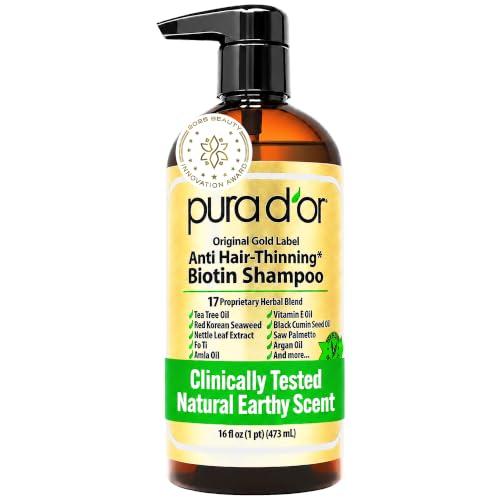
The shampoo step carries more weight. It is the only product that reaches every part of the scalp, twice a week, for the whole time you are treating it. That is why a density-focused shampoo is the second pick here rather than an afterthought — thinning-hair shampoos covers the step on its own.
Apparent density is a legitimate goal. When strands are finer rather than absent, products that make each strand behave as though it has more body genuinely change how your hair looks — without any claim about growth. That is a cosmetic result, it is real, and it is immediate rather than six months away. Thickening shampoos for fine hair is the page for that on its own, and the over-50 shortlist narrows it further if that is where you are.
How we picked these five
1. Nothing claiming to regrow hair. No product below has evidence for regrowth and none of them is presented as having it. The claims here are appearance of density, reduced breakage and scalp condition.
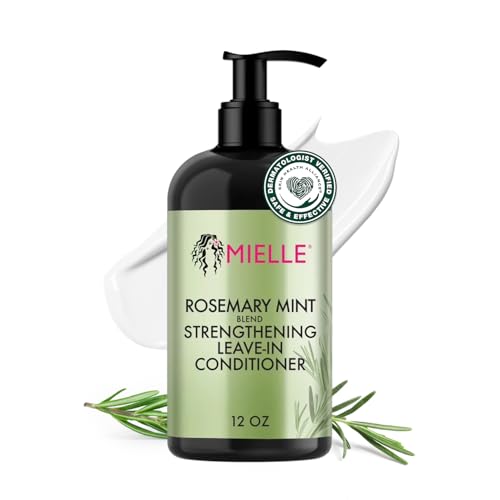
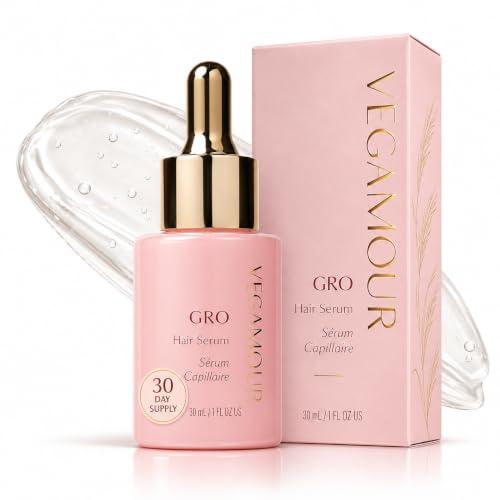
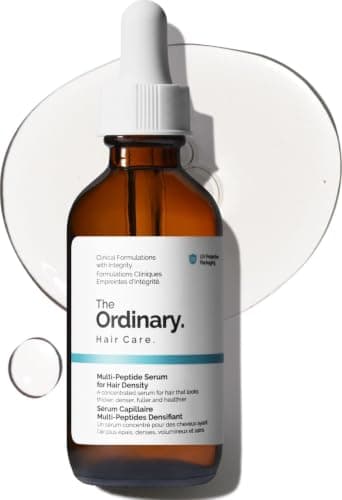
2. The evidence is named, including when it is thin. A peptide serum resting on a manufacturer's appearance claim, a plant serum resting on a small perception study, and rosemary's single small randomized comparison trial — which has real limitations and which we go through in detail rather than cite as a headline (Panahi et al., SKINmed 2015).
3. One pick for keeping length rather than adding it. Breakage costs visible length and has a plain physical explanation, which makes it the most reliable intervention on the page.
4. Colored hair accounted for. Thinning and color-treated is a very common combination and most thickening products are not sulfate-free. One pick addresses both.
5. No supplements. Oral products are a different category with different risks, and biotin in particular has no good evidence of benefit in people who are not deficient.
What we did not use: scores, star ratings or review counts. Each pick carries its editorial role and a specific disqualifier instead.
We have not used these products ourselves. They are chosen from what is in the formula, what those ingredients are documented to do, and whether that matches the problem this page is about — and every product below links to the manufacturer's own page so you can check the formulation claims yourself. The full method is here.
What to expect, honestly
Three months is the minimum before you can judge anything. The growth cycle is slow and nothing visible happens faster than that. Six months is a fairer trial.
Take photographs. Same place, same light, same part, monthly. Hair change is too gradual to assess from memory, and this is the only way to know whether you are paying for something that works.
Expect maintenance rather than reversal. Holding ground is a good outcome in pattern hair loss. A product that stops the part widening further has done something worth having.
Daily use or do not bother. Every one of these depends on consistent application. Three times a week is not a reduced dose, it is a different and untested regimen.
Stop if your scalp reacts. Redness, itching or soreness means stop and reassess, not push through.
And the broader question of whether this category works at all is worth reading alongside the picks — do hair growth serums work is our honest answer, and it is not an enthusiastic one.
The things that cost nothing
- Loosen your hairstyles. Tension-related loss is preventable and becomes permanent if it continues. This is the highest-value free change available.
- Ask for a ferritin and thyroid panel. Both are routine, and both can change the entire plan.
- Handle wet hair gently. Wide-tooth comb, ends upward, no towel-rubbing. Less breakage is more visible length — the AAD's guidance on managing hair loss makes the same point (AAD, tips for managing hair loss).
- Reduce heat and chemical processing while you assess. Thinner strands tolerate less of both.
- Treat the scalp as skin. Persistent itch, flaking or soreness deserves attention in its own right, and a serum on an irritated scalp is not a good plan.
- Give the routine six months before changing it. Switching products every eight weeks guarantees you will never know what worked.